Cassava Couscous (Attieke)
Rate this recipeBe the first to rate
 By AprilPublished
 Have you ever wanted to try a unique and delicious grain alternative?
 By AprilPublished
 Have you ever wanted to try a unique and delicious grain alternative?
Start by heating oil in a large skillet on medium-high heat.
Saute the onion, carrot, and celery until they become fragrant, which should take around 3 to 4 minutes.
Add peanuts, sesame seeds, bay leaf, and salt to the skillet, and stir them frequently.
Continue cooking until the vegetables become tender and the seeds and peanuts are toasted.
Stir in the attieke while constantly stirring.
Evenly pour water over the entire pan.
Cover the skillet and reduce the heat to medium, allowing the couscous to steam for approximately 5 minutes, until it becomes moist and heated throughout.
Remove the cover and delicately fold the couscous using a spatula. Avoid stirring, as this will mash the couscous. Instead, gently mix the ingredients from the bottom upwards, allowing the couscous to breathe and aiding in the evaporation of water.
Finally, garnish with chopped cilantro.
If boxed attieke is not available, you can purchase it from African grocery stores or online.
Fresh or frozen attieke can also be used in this recipe, but the cooking time should be reduced by 10 minutes.
Have you ever wanted to try a unique and delicious grain alternative? Look no further than cassava couscous, also known as attieke. This gluten-free and versatile dish is a staple in West African cuisine, and it's gaining popularity around the world. In this article, we'll explore the origins of cassava couscous, its nutritional benefits, and how to incorporate it into your meals. So, let's dive in!
Cassava couscous, or attieke, originates from Côte d'Ivoire (Ivory Coast) in West Africa. It is made from fermented cassava, a starchy root vegetable widely cultivated in the region. The cassava is processed and grated, then left to ferment for a few days. After fermentation, it is steamed, dried, and finally grated into couscous-like grains.
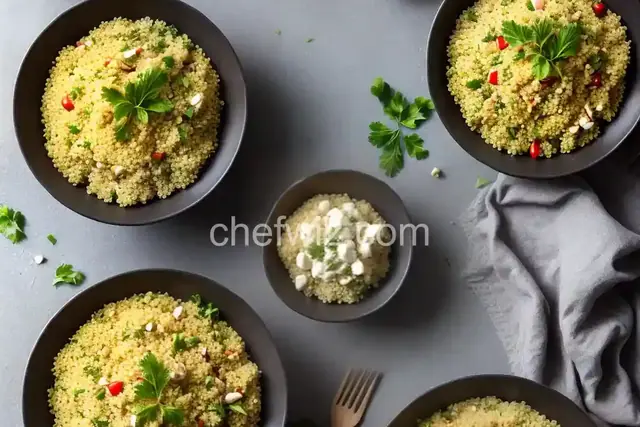
The resulting attieke is light, fluffy, and slightly tangy, with a texture similar to traditional semolina couscous. It has a distinct flavor that adds a unique touch to any dish it accompanies.
Cassava couscous is not only delicious but also packed with nutrients. It is a good source of carbohydrates, providing energy for your daily activities. It is also rich in dietary fiber, which aids in digestion and helps maintain a healthy gut.
Additionally, cassava couscous contains essential minerals like magnesium, potassium, and iron. These minerals play crucial roles in various bodily functions, such as maintaining a healthy heart, supporting nerve function, and aiding in the formation of red blood cells.
Wondering how to include cassava couscous in your diet? The possibilities are endless! Here are a few ideas to get you started:
Toss cooked cassava couscous with fresh vegetables, herbs, and a zesty dressing for a refreshing and nutritious salad.
Stir-fry cassava couscous with your favorite vegetables and protein for a quick and easy weeknight meal.
Cook cassava couscous with aromatic spices, vegetables, and broth for a flavorful and satisfying side dish.
Get creative and use cassava couscous as a base for a delicious and unique dessert. Add fruits, nuts, and sweet spices to create a delightful treat.
Remember, cassava couscous is a versatile ingredient that can be used in both savory and sweet dishes, so don't be afraid to experiment and have fun in the kitchen!
Cassava couscous, or attieke, is a delightful and nutritious alternative to traditional grains. Its unique flavor and texture make it a standout ingredient in various dishes. Whether you're looking to explore West African cuisine or simply want to try something new, cassava couscous is a fantastic choice. So, why not give it a try and embark on a culinary adventure?
Yes, cassava couscous is gluten-free, making it a suitable choice for individuals with gluten sensitivities or celiac disease.
Yes, cassava couscous can be frozen. Ensure it is properly sealed in an airtight container or freezer bag before freezing.
Cassava couscous can stay fresh for up to five days when stored in the refrigerator in a sealed container.
Absolutely! Cassava couscous can be used as a substitute for regular couscous in various recipes.
Yes, cassava couscous is relatively easy to prepare. It can be cooked by steaming or boiling, similar to regular couscous.
Yes, cassava couscous is a good source of carbohydrates, dietary fiber, and essential minerals, offering several health benefits.
Cassava couscous can usually be found in specialty grocery stores or African markets. It may also be available for purchase online.
Yes, cassava couscous can be used in both hot and cold dishes, making it a versatile ingredient for various recipes.
AprilCook, recipe developer and the heart of Chefwiz. More about April