Cascadia Fideua
Rate this recipeBe the first to rate
 By AprilPublished
 Are you tired of the same old pasta and rice dishes? Do you crave something new and exciting to tantalize your taste buds?
 By AprilPublished
 Are you tired of the same old pasta and rice dishes? Do you crave something new and exciting to tantalize your taste buds?
In a saucepan, combine the chicken stock, garlic, and saffron. Heat until hot, but not too hot to touch. Cover and keep warm over low heat to infuse the saffron.
Cook the diced pancetta in a cast iron skillet over medium heat until most of the fat has rendered out and the pancetta is cooked to your desired doneness (about 10 minutes). Remove and set aside.
Discard the grease from the skillet and add 1 tablespoon of olive oil. Cook the carrots, artichoke hearts, and green beans until they begin to soften. Remove from the pan and set aside.
Heat the remaining 1 tablespoon of olive oil in the skillet and stir in the onion. Season with salt and pepper and cook until the onion has softened (about 10 minutes). Add the tomatoes and cook until the mixture becomes a paste (15 to 20 minutes).
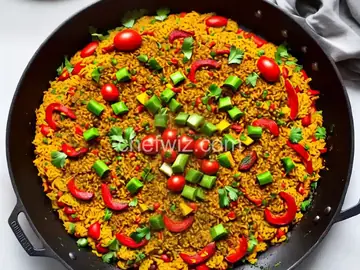
Spread the onion mixture evenly on the bottom of the skillet and sprinkle with broken spaghetti pieces. Pour enough saffron broth to cover the noodles, then arrange the pancetta and cooked vegetables on top. Add more saffron broth as needed to cover the vegetables.
Bring to a simmer, then reduce heat to medium-low and cook until the noodles are tender (about 15 minutes).
Paella and fideua are versatile dishes that can be made with various ingredients. The original idea was to use leftovers, and
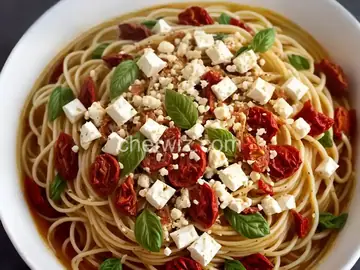
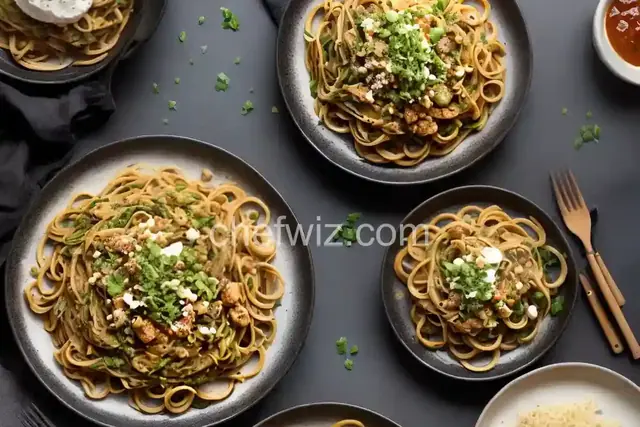
Are you tired of the same old pasta and rice dishes? Do you crave something new and exciting to tantalize your taste buds? Look no further than Cascadia Fideua! This mouthwatering dish is a delicious twist on a classic Spanish recipe that will leave you craving for more. In this article, we will explore the origins of Fideua, the ingredients that make Cascadia Fideua special, and how you can make it at home. So, let's dive in and discover the flavors of Cascadia Fideua!
Just like its cousin, paella, Fideua hails from the sunny shores of Spain. It originated in the coastal region of Catalonia, where fishermen would cook this dish on their boats using the catch of the day. Fideua is traditionally made with short, thin noodles instead of rice, giving it a unique texture and flavor profile.
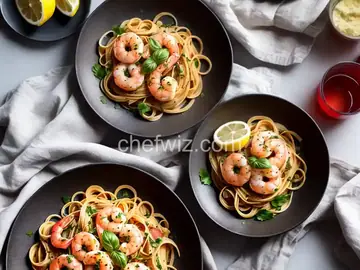
What sets Cascadia Fideua apart from its traditional counterpart is the use of local ingredients that add a Pacific Northwest twist to the dish. Instead of the usual seafood, Cascadia Fideua features fresh salmon, succulent Dungeness crab, and plump shrimp. These ingredients not only bring a burst of flavors but also showcase the rich seafood offerings of the region.
Known for its vibrant pink flesh and buttery texture, salmon is a staple in the Pacific Northwest. When cooked in Cascadia Fideua, it adds a rich and hearty flavor that perfectly complements the other ingredients.
The Dungeness crab is a true Pacific Northwest delicacy. Its sweet and tender meat is a perfect addition to Cascadia Fideua, providing a burst of flavor and a touch of indulgence.
Plump and juicy, shrimp not only add a delightful texture to Cascadia Fideua but also lend a subtle sweetness to the dish. They are the perfect complement to the other seafood ingredients.
Now that we know the story behind Cascadia Fideua and the secret ingredients that make it special, let's explore how you can recreate this delectable dish in your own kitchen.
Start by sautéing onions, garlic, and bell peppers in a large skillet. Once they are soft and fragrant, add the noodles and cook until they are lightly toasted. Next, pour in a flavorful seafood broth and let the noodles simmer until they are cooked through. Finally, add the star ingredients - salmon, Dungeness crab, and shrimp - and cook until they are perfectly done.
As you cook Cascadia Fideua, the tantalizing aroma will fill your kitchen, and you'll know you're in for a treat. The combination of the Pacific Northwest seafood and the traditional Spanish flavors is a match made in culinary heaven.
Cascadia Fideua is a delightful fusion of Spanish tradition and Pacific Northwest flavors. With its unique twist on a classic dish and the use of local ingredients, it is sure to impress your family and friends. So, why not give it a try and embark on a culinary adventure? You won't be disappointed!
Yes, feel free to experiment with different types of seafood to suit your taste. Mussels, clams, or even scallops can be excellent additions to this dish.
Absolutely! You can replace the seafood with vegetables like bell peppers, zucchini, and mushrooms for a delicious vegetarian version of this dish.
Traditionally, thin noodles called fideos are used in Fideua. However, you can also use angel hair pasta or even spaghetti as a substitute.
While it's best enjoyed fresh, you can make Cascadia Fideua in advance and reheat it later. Just make sure to store it properly in an airtight container in the refrigerator.
Cascadia Fideua is a complete meal on its own, but you can serve it with a side salad or crusty bread to round out the meal.
The level of spiciness in Cascadia Fideua can be adjusted to your preference. If you enjoy a kick of heat, add some red pepper flakes or a dash of hot sauce.
It is not recommended to freeze Cascadia Fideua as the texture of the noodles and seafood may suffer. It is best enjoyed fresh.
Yes, Cascadia Fideua can be easily scaled up to feed a larger group. Just adjust the quantities of ingredients accordingly and use a larger skillet or pot.
AprilCook, recipe developer and the heart of Chefwiz. More about April