Cartellate
Rate this recipeBe the first to rate
 By AprilPublished
 Have you ever tasted a dessert that transports you to a different time and place?
 By AprilPublished
 Have you ever tasted a dessert that transports you to a different time and place?
In the bowl of a stand mixer, whisk together the flour, salt, and orange zest.
Add the olive oil and 1/2 cup of wine to the mixture. Mix using the dough hook on medium speed until a crumbly dough forms.
Gradually add 4 tablespoons of cold water, one tablespoon at a time, while kneading the dough. Continue kneading until the dough is cohesive and barely sticky, for about 3 to 4 minutes.
If necessary, add more water, one tablespoon at a time, to help the dough come together. Knead the dough for an additional 10 minutes until it becomes smooth and elastic.
Shape the dough into a ball and tightly wrap it in plastic. Set it aside at room temperature for at least 30 minutes to firm up, or refrigerate for 1 to 2 hours.
Place a rack on a rimmed baking sheet. Divide the dough into 4 pieces. Cover 3 pieces with a kitchen towel or plastic wrap.
Roll out the remaining piece of dough on a lightly floured surface to slightly larger than a 9-inch square and about 1/8 inch thick or less.
Using a fluted pastry wheel or pizza cutter, trim the edges of the dough to form a perfect square. Cut the dough into six 1 1/2-inch-wide strips.
Fold each strip in half lengthwise and pinch every inch to seal the seam, leaving open pockets. Roll the strip around itself, preserving the
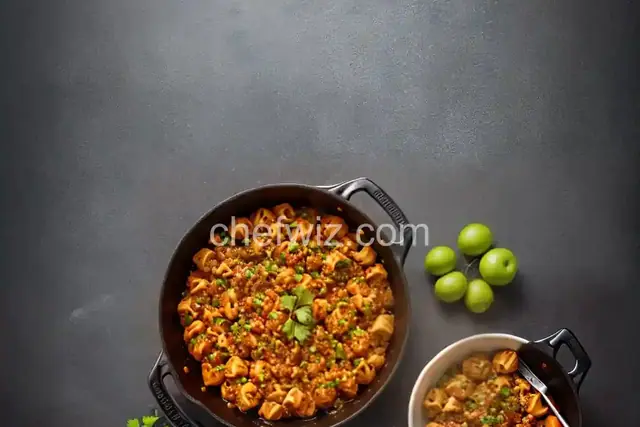
Have you ever tasted a dessert that transports you to a different time and place? A dessert that not only satisfies your sweet tooth but also tells a story of tradition and culture? If not, then you must try Cartellate, a delightful pastry from Southern Italy. These crispy, honey-drenched treats are sure to captivate your taste buds and leave you craving for more.
Cartellate, also known as "Pupi c’ Amisci" in the Puglia region of Italy, is a traditional dessert that dates back centuries. It is believed to have originated in the convents of Southern Italy, where nuns would prepare these delicate pastries for special occasions and religious holidays.
The name "Cartellate" comes from the Italian word "cartella," which means "small paper." This is because the dough for these pastries is rolled into thin strips and then shaped into intricate, decorative patterns resembling small scrolls or roses.
Making Cartellate is a labor of love. The dough is made from simple ingredients like flour, olive oil, and white wine. After the dough is prepared, it is rolled out into thin sheets and cut into strips. These strips are then carefully wrapped around a wooden dowel or metal tube, creating the intricate shapes that give Cartellate their unique appearance.
Once the pastries are shaped, they are deep-fried until golden and crispy. The frying process transforms the dough into a delicate, flaky texture that is both satisfying and addictive. After frying, the Cartellate are dipped in warm honey syrup, which adds a touch of sweetness and makes them irresistibly delicious.
Cartellate are not just pastries; they are a taste of tradition and a testament to the culinary heritage of Southern Italy. These sweet delights are often enjoyed during special occasions such as Christmas and Easter, where families gather to celebrate and indulge in the flavors of their heritage.
The process of making Cartellate is often passed down through generations, with grandmothers teaching their grandchildren the art of shaping the dough and drizzling the honey. It is a way of preserving the cultural identity and keeping traditions alive.
It is best to store Cartellate in an airtight container at room temperature. They can last for up to a week if stored properly.
Yes, you can freeze Cartellate. Place them in a freezer-safe container or bag and store them for up to three months. Thaw them at room temperature before serving.
While honey is traditionally used to sweeten Cartellate, you can experiment with other sweeteners such as maple syrup or agave nectar for a different flavor profile.
Making Cartellate requires some patience and practice, but they are not overly difficult to make. With a little practice, you can master the art of shaping the dough and frying them to perfection.
Yes, you can add chopped nuts or dried fruits to the dough before shaping it into Cartellate. This will add a delightful texture and flavor to the pastries.
Yes, Cartellate can be made vegan-friendly by using plant-based ingredients such as vegetable oil instead of olive oil and agave nectar instead of honey.
While Cartellate are delicious on their own, you can serve them with a variety of dipping sauces such as chocolate ganache or caramel sauce for an extra indulgence.
Yes, similar pastries can be found in other regions of Italy, each with its own unique name and preparation method. Some variations include "Cicerchiata" in Abruzzo and "Chiacchiere" in Lombardy.
In conclusion, Cartellate is not just a dessert; it is a culinary masterpiece that represents the rich history and traditions of Southern Italy. The delicate dough, fried to perfection, and drenched in warm honey syrup, creates a symphony of flavors and textures. Whether enjoyed during special occasions or as a sweet treat any time of the year, Cartellate is sure to leave a lasting impression on your taste buds and your heart.
AprilCook, recipe developer and the heart of Chefwiz. More about April