Cantonese-Style Lobster With Ginger and Scallions Recipe
Rate this recipeBe the first to rate
 By AprilPublished
Are you craving a delicious seafood dish that will transport you to the bustling streets of Hong Kong?
 By AprilPublished
Are you craving a delicious seafood dish that will transport you to the bustling streets of Hong Kong?
In a small bowl, combine wine, soy sauce, and 1 tablespoon of cornstarch. Mix with a fork until smooth. Stir in chicken stock. Set aside.
Fill a pot or wok with 1 inch of water and bring to a boil. Place lobsters in a steamer attachment and steam for 3 minutes. Remove and let them cool slightly.
Twist off the tails and claws from the lobsters. Remove the guts from the lobster head and rinse it clean for garnish. Use a heavy chef's knife or cleaver to split the tails in half lengthwise, then cut them into thirds crosswise to form six pieces. Transfer them to a large bowl. Cut both knuckles from each claw and add them to the bowl with the tails. Break off the small side of the claw by hand and add it to the bowl. Cut each claw in half to expose the meat and add it to the bowl.
Heat oil to 375°F (190°C) in a large wok. Season the lobster with salt and pepper. Add the remaining cornstarch to the bowl with the lobster and toss until all the pieces are well-coated. Carefully add the lobster pieces to the hot oil one piece at a time until half of them have been added. Fry, occasionally agitating with a metal spider, until the cornstarch coating is crisp and pale golden brown, about 1 1/2 minutes. Transfer them
Are you craving a delicious seafood dish that will transport you to the bustling streets of Hong Kong? Look no further than this Cantonese-style lobster with ginger and scallions recipe! This mouthwatering dish combines fresh lobster with aromatic ginger and fragrant scallions to create a flavor explosion in every bite.
If you've ever had Cantonese-style lobster at a Chinese restaurant, you know that it's a dish worth savoring. But have you ever wondered what makes it so special? The secret lies in the combination of ingredients and the cooking technique.
Firstly, fresh lobster is of utmost importance. The sweet and succulent meat of the lobster is the star of the dish, so it's crucial to start with the best quality lobster you can find. The lobster should be alive and kicking when you purchase it, ensuring its freshness.
Secondly, ginger and scallions play a vital role in enhancing the flavor of the lobster. The ginger adds a warm and spicy note, while the scallions lend a fresh and aromatic element. The combination of these two ingredients creates a harmonious balance of flavors that complements the natural sweetness of the lobster.
Now that we've covered the ingredients, let's talk about the cooking techniques that elevate this dish to another level. Cantonese-style lobster is traditionally stir-fried, which allows the lobster to cook quickly while retaining its tenderness and juiciness. The high heat of the wok ensures that the lobster is cooked to perfection, with a slight char on the outside and a tender interior.
Furthermore, the ginger and scallions are sautéed in the wok before adding the lobster, infusing the oil with their flavors. This step allows the aromatics to fully develop and permeate the entire dish, resulting in a tantalizing aroma that will make your mouth water.
Cantonese-style lobster is often served with steamed rice or noodles to soak up the flavorful sauce. The rich and savory sauce, infused with the essence of ginger and scallions, pairs perfectly with the delicate sweetness of the lobster.
For a complete Cantonese dining experience, you can also serve this dish alongside other classic Cantonese dishes, such as steamed fish, roast duck, or stir-fried vegetables. The combination of these dishes will transport you to a traditional Cantonese banquet, filled with an array of vibrant flavors and textures.
While fresh lobster is recommended for the best flavor and texture, you can use frozen lobster if fresh lobster is not available. Just make sure to thaw it properly before cooking.
Ginger and scallions are integral to the Cantonese-style flavor profile of this dish. However, if you have dietary restrictions or preferences, you can experiment with other aromatics like garlic or lemongrass.
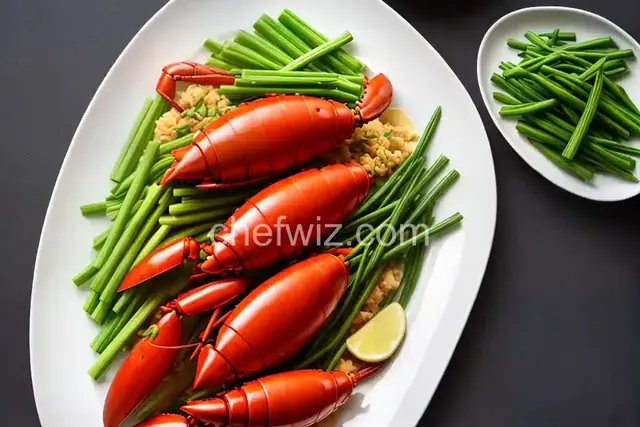
The lobster will turn bright red and the meat will be opaque when it is fully cooked. Avoid overcooking the lobster as it can become tough and rubbery.
While the traditional Cantonese-style lobster recipe focuses on the lobster, you can certainly add other vegetables like bell peppers, snow peas, or mushrooms to create a more substantial meal.
It is best to use a high smoke point oil like vegetable oil or peanut oil for stir-frying. These oils can withstand the high heat required for this cooking technique without burning.
The level of spiciness in this dish can be adjusted according to your preference. If you enjoy a mild spice, you can reduce the amount of ginger or use a milder variety. On the other hand, if you love a fiery kick, you can add some red chili flakes or fresh chili peppers.
While it's best to enjoy Cantonese-style lobster immediately after cooking, you can prepare some of the components in advance. You can chop the ginger and scallions ahead of time and store them in the refrigerator until you're ready to cook.
While this recipe specifically calls for lobster, you can certainly adapt it to other types of seafood like shrimp or crab. Just adjust the cooking time accordingly to ensure the seafood is cooked through.
In conclusion, Cantonese-style lobster with ginger and scallions is a tantalizing dish that brings the flavors of Hong Kong to your own kitchen. With the right ingredients, cooking techniques, and serving suggestions, you can create a memorable seafood feast that will impress your family and friends. So, what are you waiting for? Get cooking and indulge in the taste of Cantonese cuisine!
AprilCook, recipe developer and the heart of Chefwiz. More about April