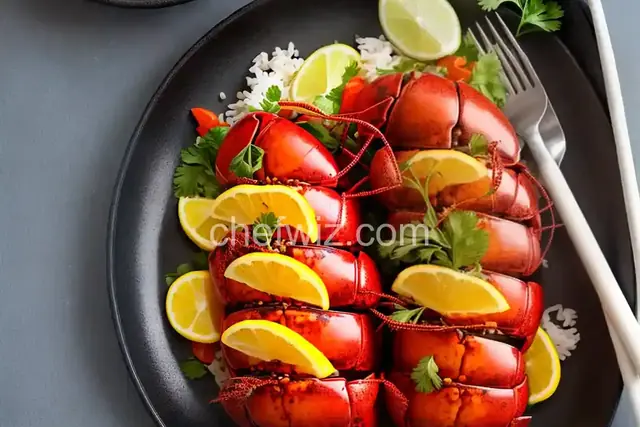
Cantonese Lobster Tail: A Delightful Seafood Dish
Who doesn't love indulging in a succulent lobster tail? The Cantonese style of cooking takes this exquisite seafood to new heights, tantalizing your taste buds with its unique flavors and aromas.
The Art of Cantonese Cuisine
When it comes to Chinese cuisine, Cantonese dishes stand out for their delicate flavors and emphasis on freshness. Cantonese chefs are known for their culinary expertise, transforming simple ingredients into culinary masterpieces.
Just like an artist paints on a canvas, a Cantonese chef uses a variety of techniques to bring out the best flavors of each ingredient. From stir-frying and steaming to braising and deep-frying, every method is carefully chosen to create a harmonious balance of flavors.
The Perfect Lobster Tail
Now, imagine a perfectly cooked lobster tail, bathed in a rich and flavorful Cantonese sauce. The sweetness of the lobster meat combined with the umami flavors of the sauce creates a symphony of flavors that will leave you craving for more.
When it comes to Cantonese-style lobster tail, freshness is key. The lobster should be alive and kicking before it meets its fate in the kitchen. This ensures that the meat is tender, sweet, and succulent.
Once the lobster is cooked, it is typically served with a variety of accompaniments. From stir-fried vegetables to fluffy steamed rice, each element on the plate complements the lobster tail, enhancing the overall dining experience.
A Journey of Flavors
As you take a bite of the Cantonese lobster tail, you are transported to a world of flavors. The sauce, infused with a blend of soy sauce, ginger, garlic, and other aromatic ingredients, coats the tender lobster meat, allowing you to savor each bite.
Think of it as a symphony of flavors, with each ingredient playing a unique role. The soy sauce adds a savory note, while the ginger brings a subtle spiciness to the dish. The garlic adds depth, and the touch of sweetness balances out the flavors perfectly.
Just like a well-conducted orchestra, each flavor harmonizes with the others, creating a delightful dining experience that you won't soon forget.
The Magic of Cantonese Lobster Tail
What sets Cantonese lobster tail apart from other lobster dishes is the attention to detail and the artistry involved. Every step of the cooking process is carefully executed to ensure that the flavors are perfectly balanced.
Imagine a skilled painter meticulously adding brushstrokes to a canvas, each stroke adding depth and character to the artwork. In the same way, a Cantonese chef meticulously crafts each dish, layering flavors and textures to create a masterpiece on your plate.
When you sit down to enjoy a Cantonese lobster tail, you are not just indulging in a delicious meal. You are experiencing a work of art, crafted with passion and skill.
In Conclusion
Indulging in a Cantonese lobster tail is like embarking on a culinary adventure. The flavors, the textures, and the artistry behind each dish make it a truly unforgettable experience.
So, the next time you have the opportunity, treat yourself to a Cantonese lobster tail and immerse yourself in the world of Cantonese cuisine. Your taste buds will thank you!
Frequently asked questions
- What is the best way to cook lobster tail?
While Cantonese-style cooking is a popular choice, there are many other delicious ways to cook lobster tail. Grilling, baking, and boiling are some of the most common methods.
- Can I use frozen lobster tail for Cantonese-style cooking?
It's always best to use fresh lobster for the most flavorful results. However, if you can't find fresh lobster, frozen lobster tail can be a suitable alternative.
- Can I substitute the lobster with another type of seafood?
While Cantonese-style lobster tail is a classic dish, you can certainly experiment with other seafood options. Shrimp or crab can be great substitutes if you prefer a different flavor.
- What are some side dishes that pair well with Cantonese lobster tail?
Stir-fried vegetables, steamed rice, and noodles are popular choices to accompany Cantonese lobster tail. These dishes help balance out the flavors and provide a well-rounded meal.
- Can I make Cantonese lobster tail at home?
Absolutely! With the right ingredients and techniques, you can recreate the flavors of Cantonese-style lobster tail in your own kitchen. It may take some practice, but the end result will be worth it.
- What other Cantonese dishes should I try?
Cantonese cuisine offers a wide range of delicious dishes. Some popular options include dim sum, sweet and sour pork, and crispy roast duck. Exploring the world of Cantonese cuisine will open up a whole new world of flavors.
- Are there any vegetarian options in Cantonese cuisine?
While Cantonese cuisine is known for its seafood and meat dishes, there are also vegetarian options available. Stir-fried vegetables, tofu dishes, and vegetable dumplings are just a few examples of delicious vegetarian Cantonese dishes.
- Is Cantonese lobster tail spicy?
Cantonese cuisine is not typically known for its spiciness. The flavors are more focused on freshness, umami, and a delicate balance of sweet and savory. However, you can always adjust the spiciness to your personal preference by adding chili or other spices.
 By AprilPublished