Canned Whole Tomatoes (Using a Pressure Canner or Boiling-Water Bath) Recipe
Rate this recipeBe the first to rate
 By AprilPublished
 Are you a tomato lover? Do you find yourself craving the sweet and tangy flavor of fresh tomatoes all year round?
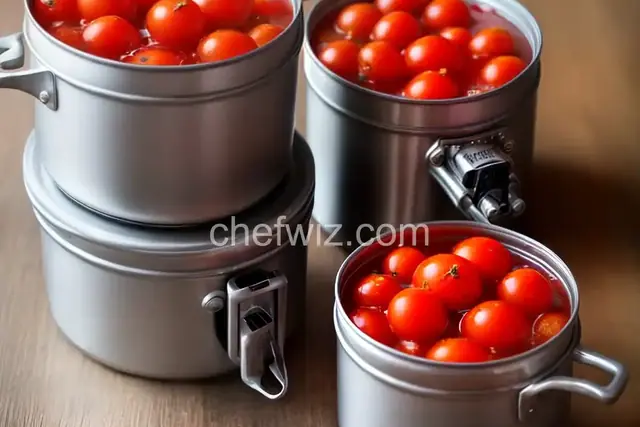 By AprilPublished
 Are you a tomato lover? Do you find yourself craving the sweet and tangy flavor of fresh tomatoes all year round?
Bring a large pot of water to a boil and prepare a large bowl of ice water.
Wash the tomatoes, removing any stems or leaves. Use a paring knife to score an X on the top of each tomato.
Carefully place the tomatoes in the boiling water and let them sit until the skins start to loosen around the score marks (about 1 minute).
Use a slotted spoon to transfer the tomatoes to the ice water and let them cool. The skins should loosen even more during this time.
Remove the tomato skins and discard. Place the peeled tomatoes in a large bowl.
Wash a 1-quart glass canning jar (or two 1-pint jars) with hot soapy water and rinse well. Alternatively, use the dishwasher to clean the jars.
Add lemon juice or citric acid to the jar(s), or divide it evenly between the jars if using pint size. If desired, add salt to the jar(s) or divide it evenly between them.
Gently scoop the skinned tomatoes into the jars, being careful not to break them. Press them down lightly until the jar is filled to a 1/2-inch headspace.
Use a thin plastic or metal blade to remove any air bubbles from the jars by sliding it in and out.
Wipe the rims of the jars with a damp towel. Place the lids on top and screw on the rings until they are
Are you a tomato lover? Do you find yourself craving the sweet and tangy flavor of fresh tomatoes all year round? If so, you're in luck! Canning whole tomatoes is a great way to preserve the taste of summer and enjoy it throughout the year. In this article, we will guide you through the process of canning whole tomatoes using a pressure canner or a boiling-water bath. So let's dive in!
At the peak of their ripeness, tomatoes are bursting with flavor and nutrients. Canning whole tomatoes allows you to capture that freshness and extend their shelf life. Whether you grow your own tomatoes or buy them from a local farmer's market, canning is a fantastic way to preserve their quality and enjoy them even when they are out of season.
Before we get into the specifics of canning whole tomatoes, let's talk about the two methods you can use: a pressure canner or a boiling-water bath. The choice between the two depends on your preference and the type of tomatoes you are canning.
A pressure canner is recommended for low-acid foods, including most vegetables. It uses high heat and pressure to kill bacteria and ensure food safety. On the other hand, a boiling-water bath is suitable for high-acid foods like tomatoes. It involves submerging jars in boiling water to create a seal and prevent spoilage. Both methods are effective, so choose the one that suits you best.
Before you start canning, make sure you have all the necessary supplies on hand. Here's a list of what you'll need:
Now that you have everything you need, it's time to prepare the tomatoes for canning. Start by washing the tomatoes thoroughly under running water. Remove any stems or blemishes and cut out the core. If desired, you can also peel the tomatoes by blanching them in boiling water for a few seconds and then transferring them to an ice bath.
Once the tomatoes are prepped, it's time to pack them into the jars. Start by sterilizing the jars and lids according to the manufacturer's instructions. Then, fill each jar with the prepared tomatoes, leaving about half an inch of headspace. Add lemon juice or citric acid to each jar to ensure the proper acidity level.
Now comes the fun part: canning the tomatoes! If you're using a pressure canner, follow the manufacturer's instructions for canning tomatoes. The process typically involves placing the filled jars in the canner, securing the lid, and processing them at the recommended pressure and time. On the other hand, if you're using a boiling-water bath canner, place the filled jars in the canner, making sure they are fully submerged in boiling water. Process the jars for the recommended time, then carefully remove them from the canner using a jar lifter.
After the canning process is complete, allow the jars to cool completely before checking the seal. The lids should be concave and firm when pressed. Store the jars in a cool, dark place, and use them within a year for the best quality. When you're ready to enjoy your canned whole tomatoes, simply open a jar, drain any excess liquid, and use them in your favorite recipes.
No, it's not recommended. Canning tomatoes without proper processing can be unsafe and may result in spoilage.
Canned whole tomatoes can last up to a year when stored in a cool, dark place. However, for the best quality, it's recommended to use them within six to eight months.
No, it's important to use new lids for each canning session. Reusing lids can compromise the seal and lead to spoilage.
Absolutely! Feel free to add your favorite seasonings or herbs to the jars before processing. Just be mindful of the acidity level and avoid adding ingredients that may affect the safety of the canning process.
If a lid doesn't seal properly, you can try reprocessing the jar using a new lid. Alternatively, you can refrigerate the jar and use the tomatoes within a few days.
Yes, you can mix different varieties, colors, and sizes of tomatoes in the same jar. Just make sure they are all ripe and cut into manageable pieces.
While it's possible to can tomatoes with added sugar, it's not necessary. Tomatoes naturally contain sugars that enhance their flavor.
Absolutely! Canned whole tomatoes are perfect for making sauces, soups, stews, and more. They provide a burst of flavor and a taste of summer, even in the colder months.
In conclusion, canning whole tomatoes is a rewarding and practical way to enjoy the taste of summer all year round. Whether you choose to use a pressure canner or a boiling-water bath canner, the process is relatively simple and results in delicious, home-preserved tomatoes. So why not give it a try? Grab some fresh tomatoes, gather your supplies, and start canning!
AprilCook, recipe developer and the heart of Chefwiz. More about April