Canelés de Bordeaux
Rate this recipeBe the first to rate
 By AprilPublished
 Have you ever indulged in the deliciousness of a Canelé de Bordeaux?
 By AprilPublished
 Have you ever indulged in the deliciousness of a Canelé de Bordeaux?
To make the canelés, start by combining flour, sugar, egg yolks, rum, vanilla, and salt in a mixing bowl. Use a spatula to mix until a smooth paste forms. Continue mixing until the flour is fully incorporated.
In a saucepan over medium-high heat, combine milk and 2 tablespoons plus 1 teaspoon of butter. Bring the mixture to a simmer and immediately remove from heat.
Slowly add half of the hot milk mixture to the canelés batter, whisking quickly to prevent the egg yolks from cooking. Slowly whisk in the remaining milk mixture until the batter is smooth and thin.
Preheat the oven to 450 degrees F (230 degrees C).
Prepare a 12-cup muffin pan by melting butter and beeswax in a skillet over medium heat. Remove from heat and stir with a pastry brush. Generously brush the bottom and sides of each muffin cup.
Ladle the canelés batter into the muffin cups, filling them almost to the top.
Bake in the preheated oven for 10 minutes. Then, reduce the heat to 375 degrees F (190 degrees C) and continue baking until the canelés are well browned, about 50 minutes.
Remove from the oven and let cool in the pan for 5 minutes. Run a thin blade around the sides and carefully loosen the canelés from the cups. Invert onto a cooling rack and let cool completely to room temperature
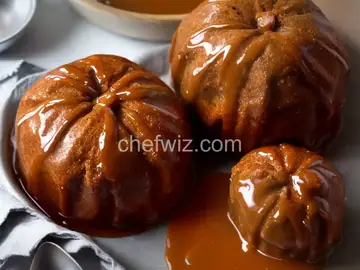
Have you ever indulged in the deliciousness of a Canelé de Bordeaux? If not, you're in for a treat! These delightful French pastries are a true culinary delight, with a crispy caramelized exterior and a soft custard-like interior. In this article, we will explore the origins of Canelés de Bordeaux, how they are made, and why they have become such a beloved pastry around the world.
Just like a good story, every pastry has its own origin tale. The Canelés de Bordeaux is no exception. Legend has it that these delectable treats were created by nuns in the 18th century in the Bordeaux region of France. They were made using leftover egg yolks donated by winemakers, who used the egg whites to clarify their wines. These nuns ingeniously transformed the yolks into a mouthwatering pastry that would soon captivate the taste buds of many.
Making Canelés de Bordeaux is both an art and a science. The process begins by creating a batter using ingredients such as flour, sugar, milk, butter, and vanilla. The batter is then left to rest for at least 24 hours, allowing the flavors to fully develop. This step is crucial in achieving the signature texture and taste of a Canelé de Bordeaux.
Once the batter has rested, it is poured into special cylindrical molds that are lined with beeswax and butter. The beeswax and butter combination creates a unique caramelized crust that is the hallmark of a perfect Canelé. The molds are then placed in a hot oven, where the magic happens. The high heat causes the batter to rise and the exterior to caramelize, while the interior remains soft and custard-like.
There are several reasons why Canelés de Bordeaux have captured the hearts and taste buds of pastry lovers worldwide. Firstly, their unique shape and caramelized exterior make them visually appealing and irresistible. One bite into the crispy crust reveals a delicate custard center, creating a delightful contrast in textures.
Furthermore, the flavors of Canelés are simply divine. The combination of vanilla, caramel, and a hint of rum creates a flavor profile that is both comforting and sophisticated. It's no wonder that these pastries are often described as little bites of heaven.
Canelés de Bordeaux are a true delight for pastry enthusiasts. Their rich history, unique flavors, and exquisite texture make them a beloved treat that is sure to impress. Whether you decide to try them at a local bakery or embark on the adventure of making them at home, one thing is certain: Canelés de Bordeaux are a little taste of heaven that will leave you craving for more.
You can find Canelés de Bordeaux in many French bakeries around the world. They are also becoming increasingly popular in specialty pastry shops and online stores.
Absolutely! While the process may require some patience and practice, making Canelés de Bordeaux at home is a rewarding experience. There are many recipes available online that provide step-by-step instructions.
Traditional Canelés de Bordeaux are not gluten-free, as they contain flour. However, there are gluten-free alternatives available that use alternative flours.
Canelés are best enjoyed fresh on the day they are made. However, if you have leftovers, store them in an airtight container at room temperature for up to three days.
Yes, you can freeze Canelés de Bordeaux. Wrap them individually in plastic wrap and place them in a freezer bag. They can be kept frozen for up to one month. To enjoy them, simply thaw at room temperature or reheat in a low oven for a few minutes.
Absolutely! While the traditional Canelés de Bordeaux are flavored with vanilla and rum, you can experiment with different flavors. Consider adding chocolate, citrus zest, or even spices like cinnamon to create your own unique twist.
Making Canelés de Bordeaux requires some precision and patience, especially when it comes to achieving the perfect caramelized crust. However, with practice and attention to detail, anyone can master the art of making Canelés.
Canelés de Bordeaux are delightful on their own, but you can certainly pair them with other accompaniments. They go wonderfully with a cup of coffee or tea, and some people enjoy serving them with a dollop of whipped cream or a drizzle of caramel sauce.
AprilCook, recipe developer and the heart of Chefwiz. More about April