Butternut Squash Mash
Rate this recipeBe the first to rate
 By AprilPublished
 Are you tired of the same old mashed potatoes? Looking for a healthier alternative that still satisfies your comfort food cravings?
 By AprilPublished
 Are you tired of the same old mashed potatoes? Looking for a healthier alternative that still satisfies your comfort food cravings?
Halve a large unpeeled butternut squash (approximately 3 pounds) and cut it into thick wedges, removing the seeds.
Toss the squash wedges with olive oil and place them on a baking sheet.
Roast the squash at 400 degrees F for about 35 to 45 minutes, or until it becomes soft.
Remove the skin from the roasted squash.
In a food processor or using an immersion blender, puree the squash along with 3 tablespoons of butter until smooth.
Season the squash puree with salt to taste.
Warm a few tablespoons of maple syrup in a small saucepan, and add a pinch of cayenne pepper for a subtle kick.
Drizzle the warmed maple syrup mixture over the squash puree.
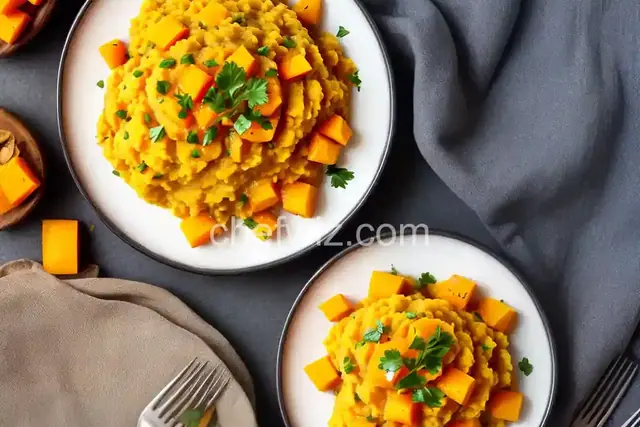
Are you tired of the same old mashed potatoes? Looking for a healthier alternative that still satisfies your comfort food cravings? Look no further than butternut squash mash! This creamy and flavorful dish is a delightful twist on a classic favorite. Let's dive into the world of butternut squash and discover the magic it brings to the table.
Butternut squash is a versatile vegetable that can be used in various dishes. Its sweet and nutty flavor pairs well with both savory and sweet ingredients. Whether you roast it, puree it, or turn it into soup, butternut squash brings a burst of flavor and a vibrant color to any recipe.
When it comes to comfort food, we often seek that creamy texture that melts in our mouths. Butternut squash mash delivers exactly that. Its smooth and velvety consistency is reminiscent of mashed potatoes, but with a unique flavor profile that sets it apart.
Butternut squash mash is not only delicious but also a healthier alternative to traditional mashed potatoes. It is low in calories and packed with vitamins and minerals. The vibrant orange flesh of the squash is a telltale sign of its high beta-carotene content, which is converted into vitamin A by our bodies.
Making butternut squash mash is a breeze. Start by peeling and cubing the squash, then roast it until tender. Once the squash is cooked, mash it with a fork or puree it in a blender until smooth. Add your favorite seasonings and a touch of butter or olive oil to enhance the flavor. Voila! You have a delicious and nutritious side dish ready to serve.
Butternut squash mash is a blank canvas for your culinary creativity. You can keep it simple with just salt and pepper or experiment with various herbs and spices. From cinnamon and nutmeg to garlic and thyme, the possibilities are endless. Let your taste buds guide you and create a flavor profile that suits your preferences.
Butternut squash mash is a versatile side dish that pairs well with many main courses. It complements roasted chicken, grilled steak, or even a vegetarian lasagna. You can also use it as a filling for savory pies or as a base for a creamy soup. The options are limitless, and the result is always a crowd-pleaser.
Butternut squash mash is a delightful and healthier alternative to traditional mashed potatoes. Its creamy texture and burst of flavors make it a perfect side dish for any occasion. Whether you're looking to impress your guests or simply craving a comforting meal, butternut squash mash is sure to satisfy. So, grab a squash, get creative with your seasonings, and indulge in this delicious twist on comfort food.
Absolutely! Prepare the mash ahead of time and store it in an airtight container in the refrigerator. When you're ready to serve, simply reheat it in the microwave or on the stovetop. Just make sure to adjust the seasoning if needed.
Yes, you can freeze butternut squash mash. Place it in a freezer-safe container or bag, making sure to remove any excess air. Thaw it in the refrigerator overnight before reheating. Keep in mind that the texture might change slightly after freezing, but the taste will still be delicious.
Of course! If you're looking for a dairy-free option, you can omit the butter and use olive oil or coconut oil instead. It will still add a touch of richness to the mash without compromising the flavor.
Absolutely! Feel free to get creative and mix in other roasted vegetables like carrots or sweet potatoes. This will not only add more flavor but also increase the nutritional value of the dish.
The best way to check if the squash is fully cooked is by inserting a fork or a knife into the cubes. If it goes through easily without resistance, then it's ready to be mashed.
Absolutely! The addition of cheese, such as Parmesan or cheddar, can take the flavor of your butternut squash mash to the next level. Sprinkle some grated cheese on top and broil it for a few minutes to create a delicious cheesy crust.
Yes, you can make butternut squash mash in a slow cooker. Simply place the peeled and cubed squash in the slow cooker with a bit of water or broth. Cook on low for 4-6 hours or on high for 2-3 hours, until the squash is tender. Then, proceed with mashing and seasoning as usual.
Yes, you can use frozen butternut squash instead of fresh. Just make sure to thaw it before roasting or cooking. Frozen squash might have a slightly softer texture, but it will still work perfectly for making a delicious mash.
AprilCook, recipe developer and the heart of Chefwiz. More about April