Buttermilk Pound Cake
Rate this recipeBe the first to rate
 By AprilPublished
 Are you craving a moist and tender cake that will leave your taste buds dancing with delight?
 By AprilPublished
 Are you craving a moist and tender cake that will leave your taste buds dancing with delight?
Preheat the oven to 325 degrees F (165 degrees C).
Grease a 9- or 10-inch tube pan.
In a medium bowl, combine flour, salt, and baking soda. Set aside.
In a large bowl, use an electric mixer to beat together sugar and butter until light and fluffy.
Add eggs one at a time, beating well after each addition.
Stir in lemon and vanilla extracts.
Gradually add the flour mixture to the bowl, alternating with buttermilk.
Briefly beat the batter after each addition.
Pour the batter into the prepared pan.
Bake in the preheated oven for about 90 minutes, or until the cake begins to pull away from the sides of the pan. Do not open the oven door until after 1 hour.
Allow the cake to cool in the pan for 10 minutes.
Then, carefully turn the cake out onto a wire rack to cool completely.
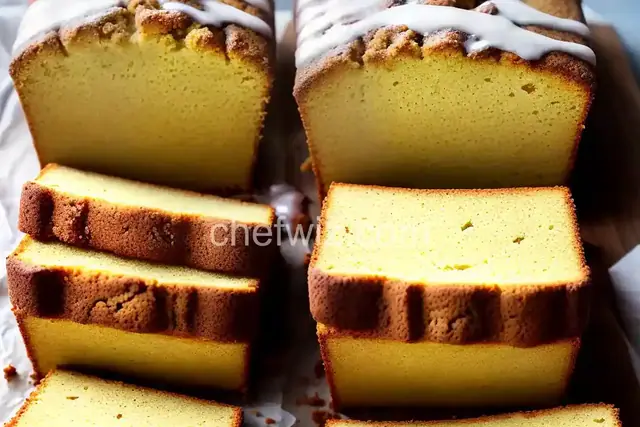
Are you craving a moist and tender cake that will leave your taste buds dancing with delight? Look no further than a classic Buttermilk Pound Cake. This timeless dessert is a crowd-pleaser that is perfect for any occasion, whether it's a birthday celebration, a holiday gathering, or simply a sweet treat to enjoy on a lazy afternoon. In this article, we will explore the rich history of Buttermilk Pound Cake, the secret behind its velvety texture, and some tips to make it even more delectable.
Imagine taking a bite of a cake that brings back memories of your grandma's kitchen. Buttermilk Pound Cake has been a beloved dessert for generations, with its roots dating back to the 18th century. Back then, traditional pound cakes were made with a pound each of flour, sugar, butter, and eggs, giving rise to the name "pound cake."
Buttermilk, a byproduct of butter production, was often used in baking to add moisture and a tangy flavor to the cake. Over time, this simple ingredient became a staple in pound cake recipes, adding a unique twist to this already delicious dessert.
What sets Buttermilk Pound Cake apart from other cakes is its irresistibly moist and tender texture. The secret lies in the acidity of the buttermilk, which reacts with the leavening agents in the recipe to create a light and fluffy crumb. The buttermilk also helps to break down the gluten in the flour, resulting in a cake that is incredibly tender.
Another key factor in achieving the perfect texture is the creaming method. Creaming the butter and sugar together creates tiny air pockets in the batter, which expand during baking, giving the cake its characteristic lightness. Taking the time to cream the butter and sugar until light and fluffy is essential for a Buttermilk Pound Cake that is melt-in-your-mouth delicious.
While a classic Buttermilk Pound Cake is already a delight on its own, there are a few tips and tricks to take it to the next level:
For a refreshing twist, add some lemon or orange zest to the batter. The citrusy aroma will complement the richness of the cake and add a burst of flavor.
Take your Buttermilk Pound Cake to new heights by drizzling it with a sweet glaze. Whether it's a simple vanilla glaze or a tangy lemon glaze, the extra touch of sweetness will make your cake even more irresistible.
Pair your Buttermilk Pound Cake with a medley of fresh berries for a delightful contrast of flavors. The juicy berries will add a pop of color and a burst of freshness to every bite.
One of the reasons Buttermilk Pound Cake has stood the test of time is its versatility. This classic dessert can be enjoyed in various ways, depending on your preferences:
Enjoy a slice of Buttermilk Pound Cake as it is, allowing the buttery flavor and tender texture to shine through.
For a delightful breakfast or snack, toast a slice of Buttermilk Pound Cake and spread it with a generous amount of butter. The warm, crispy edges and buttery goodness are simply irresistible.
Elevate your dessert game by serving a slice of Buttermilk Pound Cake with a scoop of your favorite ice cream. The combination of warm cake and cold, creamy ice cream is a match made in dessert heaven.
Buttermilk Pound Cake is a dessert that has stood the test of time, captivating generations with its rich flavor and velvety texture. Whether you enjoy it plain, drizzled with glaze, or paired with fresh berries, this classic dessert is sure to satisfy your sweet tooth. So, why not treat yourself and your loved ones to a slice of Buttermilk Pound Cake? Indulge in its timeless charm and create new memories that will last a lifetime.
While you can use regular milk as a substitute, the tangy flavor and unique texture of Buttermilk Pound Cake may be compromised. It is best to use buttermilk for the authentic taste and moistness.
To keep your Buttermilk Pound Cake fresh, store it in an airtight container at room temperature for up to three days. Alternatively, you can freeze it for up to three months.
Absolutely! Buttermilk Pound Cake actually tastes even better the next day as the flavors have time to meld together. You can bake it a day in advance and store it at room temperature.
Certainly! Adding chopped nuts or chocolate chips to the batter can add a delightful crunch and burst of flavor to your Buttermilk Pound Cake.
Yes, you can substitute the all-purpose flour with a gluten-free flour blend to make a gluten-free version of Buttermilk Pound Cake. Just ensure that the flour blend contains a binder like xanthan gum.
Several factors can contribute to a dense pound cake, such as overmixing the batter, using too much flour, or not creaming the butter and sugar properly. Follow the recipe instructions carefully and avoid overmixing to achieve a light and fluffy texture.
Absolutely! Buttermilk Pound Cake bakes beautifully in a bundt pan, creating an elegant and impressive presentation. Just make sure to grease the pan thoroughly and follow the baking time specified in the recipe.
Yes, you can
AprilCook, recipe developer and the heart of Chefwiz. More about April