Buttermilk Cornbread
Rate this recipeBe the first to rate
 By AprilPublished
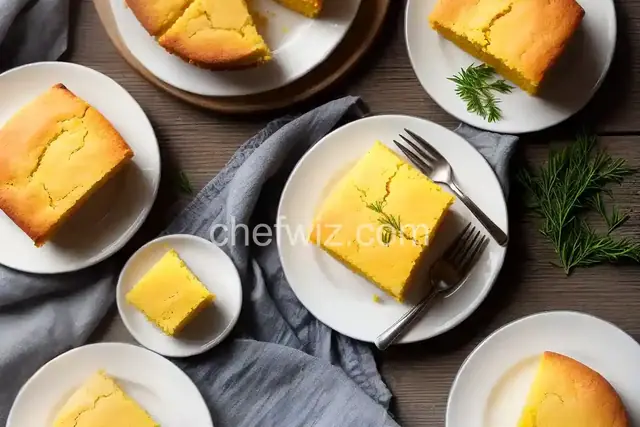
 Have you ever tasted the warm, buttery goodness of buttermilk cornbread?
 By AprilPublished
 Have you ever tasted the warm, buttery goodness of buttermilk cornbread?
Preheat the oven to 375 degrees F (190 degrees C).
Spray an 8-inch square baking dish with nonstick spray.
In a bowl, combine flour, cornmeal, baking powder, and salt.
In another bowl, mix melted butter, sugar, and honey together.
Add eggs one at a time, mixing until combined.
Stir in buttermilk.
Mix in the flour mixture and then fold in the thawed corn.
Pour the batter into the prepared baking dish.
Bake in the preheated oven for 28 to 35 minutes, or until golden brown and a toothpick inserted into the center comes out clean.
Have you ever tasted the warm, buttery goodness of buttermilk cornbread? If not, you're missing out on a true Southern delight. This classic American dish has been a staple in Southern cuisine for generations, and for good reason. The combination of tangy buttermilk and sweet cornmeal creates a unique flavor and texture that is hard to resist.
Buttermilk is the star of the show when it comes to making delicious cornbread. Its creamy texture and slightly acidic taste add moisture and depth to the batter. It also helps to activate the leavening agents, resulting in a light and fluffy cornbread that practically melts in your mouth.
Buttermilk provides the perfect balance of acidity and sweetness in cornbread. It cuts through the richness of the butter and adds a tangy kick that keeps you coming back for more. The buttermilk also reacts with the baking soda and baking powder, creating tiny air pockets that give the cornbread its signature rise.
Buttermilk cornbread is incredibly versatile and can be enjoyed in so many different ways. Serve it alongside a bowl of hearty chili or use it to make a tasty stuffing. You can even enjoy it on its own, slathered with butter and drizzled with honey for a sweet and savory treat.
Making buttermilk cornbread is easier than you might think. Start by preheating your oven and greasing a cast-iron skillet or baking dish. In a large bowl, whisk together the cornmeal, flour, sugar, baking powder, baking soda, and salt. In a separate bowl, mix together the buttermilk, melted butter, and eggs. Gradually add the wet ingredients to the dry ingredients and stir until just combined.
Pour the batter into the prepared skillet or dish and smooth the top with a spatula. Bake for about 20-25 minutes, or until the top is golden brown and a toothpick inserted into the center comes out clean. Remove from the oven and let it cool slightly before slicing and serving.
Here are some tips to ensure your buttermilk cornbread turns out perfectly every time:
Yes, you can substitute regular milk for buttermilk in a pinch. However, the tangy flavor and moist texture of buttermilk may be lost.
While cornbread traditionally uses all-purpose flour, you can experiment with different types of flour, such as whole wheat or gluten-free flour, for a healthier twist.
Yes, you can make cornbread without eggs. Simply replace each egg with ¼ cup of unsweetened applesauce or mashed banana for a vegan-friendly alternative.
Buttermilk cornbread will stay fresh for about 2-3 days when stored in an airtight container at room temperature.
Absolutely! Wrap the cornbread tightly in plastic wrap or place it in a freezer bag. It will keep well in the freezer for up to 3 months.
Yes, feel free to get creative and add mix-ins like cooked bacon, shredded cheese, or diced jalapenos to the cornbread batter for an extra burst of flavor.
Definitely! Simply pour the batter into a greased mini muffin tin and bake for about 10-12 minutes, or until golden brown.
To reheat leftover cornbread, wrap it in aluminum foil and place it in a preheated oven at 350°F for about 10 minutes, or until warmed through.
In conclusion, buttermilk cornbread is a beloved Southern dish that brings comfort and flavor to any meal. Its tangy and sweet combination makes it a versatile treat that can be enjoyed in many different ways. With a few simple tips and tricks, you can easily master the art of making delicious buttermilk cornbread. So why not give it a try and experience the true taste of the South?
AprilCook, recipe developer and the heart of Chefwiz. More about April