Burnt Salsa
Rate this recipeBe the first to rate
 By AprilPublished
 Do you love the taste of salsa but want to try something new and exciting?
 By AprilPublished
 Do you love the taste of salsa but want to try something new and exciting?
Preheat an outdoor grill on high heat and lightly grease the grate.
Place tomatoes, jalapeno peppers, serrano peppers, and Anaheim peppers on the grill.
Cook on the preheated grill, turning occasionally, until tomatoes have softened and all peppers are charred (around 30-40 minutes).
Transfer the grilled tomatoes and peppers to a large serving bowl.
Use an immersion blender to blend the tomatoes and peppers until you achieve a chunky consistency.
Add onion, cilantro, lime juice, salt, chili-lime seasoning, and black pepper to the salsa.
Stir the salsa well to combine all the ingredients.
Don't worry about cooking the vegetables for too long - the smoky flavor from them being slightly burnt is what gives this salsa its unique taste.
Do you love the taste of salsa but want to try something new and exciting? Look no further than burnt salsa! This unique twist on the classic condiment adds a smoky and charred flavor that will elevate your dishes to new heights. In this article, we will explore the art of making burnt salsa, its versatile uses, and answer some common questions about this delectable creation.
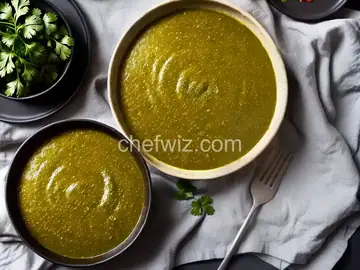
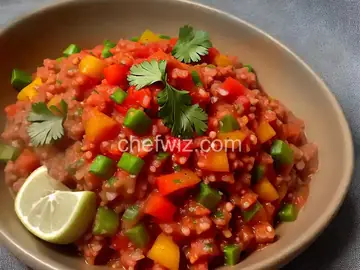
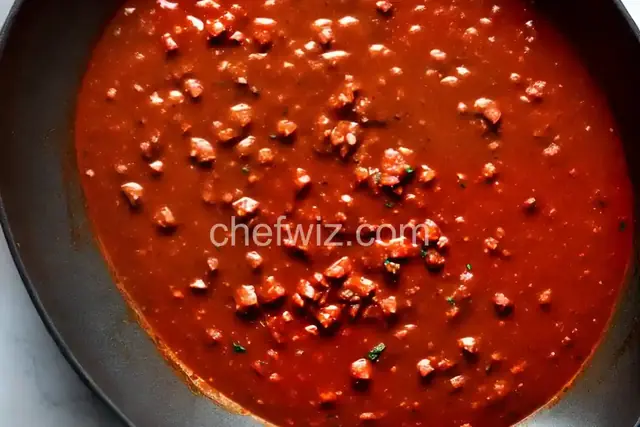
Burnt salsa, also known as salsa quemada, is a variation of traditional salsa that involves charring or roasting the ingredients before blending. The process of charring the vegetables adds a depth of flavor and complexity that regular salsa lacks. It's like taking a perfectly ripe tomato and throwing it on the grill to intensify its taste.
Making burnt salsa is a straightforward process that requires a few simple steps. First, gather your ingredients - tomatoes, onions, garlic, and peppers. Then, place them on a hot grill or under a broiler until they become charred and blackened. The charred bits may look unappealing, but trust me, they hold the secret to amazing flavor.
Once the ingredients are charred, remove them from the heat and let them cool. Peel off the blackened skin and discard it. Now, blend the roasted vegetables with some fresh cilantro, lime juice, and salt. The result is a rich, smoky salsa that will leave your taste buds dancing with delight.
Burnt salsa is incredibly versatile and can be used in various ways to enhance your culinary creations. Here are a few ideas to get you started:
Enjoy burnt salsa as a dip for tortilla chips or fresh veggies. Its smoky flavor adds a unique twist to the classic salsa experience.
Drizzle burnt salsa over grilled meats, tacos, or quesadillas for an extra kick of flavor. It pairs perfectly with grilled chicken, steak, or even roasted vegetables.
Use burnt salsa as a marinade for your favorite proteins. The smokiness will infuse into the meat, creating a mouthwatering result when grilled or roasted.
Mix burnt salsa with olive oil, vinegar, and a touch of honey for a smoky and tangy salad dressing. It will elevate your ordinary greens to a whole new level.
Burnt salsa is a tantalizing variation of the classic condiment that brings a smoky and charred flavor to your dishes. Its versatility and easy preparation make it a must-try for any salsa lover. Whether you use it as a dip, topping, marinade, or dressing, burnt salsa is sure to impress your taste buds. So, fire up the grill and give this delicious twist a try!
While fresh tomatoes are recommended for the best flavor, you can use canned tomatoes in a pinch. Just make sure to drain them before charring.
Burnt salsa can be stored in an airtight container in the refrigerator for up to a week. The flavors will continue to meld together, resulting in an even tastier salsa.
The level of spiciness in burnt salsa depends on the type and amount of peppers used. If you prefer a milder salsa, remove the seeds and membranes from the peppers.
Yes, you can freeze burnt salsa for future use. Just transfer it to a freezer-safe container and thaw it in the refrigerator before serving.
Popular choices for burnt salsa include jalapenos, serranos, and poblanos. Experiment with different peppers to find your preferred level of heat.
Absolutely! Adding fruits like pineapple or mango can add a delightful sweetness that balances out the smoky flavors of the salsa.
While burnt salsa may not be a traditional Mexican recipe, it draws inspiration from the rich culinary heritage of Mexico. It's a modern twist on a beloved condiment.
Yes, you can control the smokiness of burnt salsa by adjusting the time you char the vegetables. Longer charring will result in a more pronounced smoky flavor.
AprilCook, recipe developer and the heart of Chefwiz. More about April