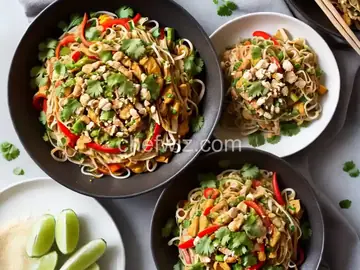
Bun Cha
Rate this recipeBe the first to rate
 By AprilPublished
 Have you ever wondered what makes Vietnamese cuisine so unique and tantalizing?
 By AprilPublished
 Have you ever wondered what makes Vietnamese cuisine so unique and tantalizing?
Turn on a kitchen exhaust fan or open a nearby window.
Combine the sugar and 1 tablespoon of water in a medium saucepan over medium heat. Stir gently until the sugar dissolves.
Cook the sugar mixture until it darkens to a deep, dark brown hue similar to soy sauce and starts smoking, about 5 to 7 minutes. Swirl the pan as needed for even cooking.
Turn off the heat and remove the saucepan from the hot stovetop.
Carefully add 2 tablespoons of water to the saucepan. Stir the caramel until smooth using a heat-safe rubber spatula.
Transfer the caramel to a medium heat-safe bowl and allow it to cool slightly for about 5 minutes. It will thicken as it cools.
In separate medium bowls, place the ground pork and pork belly.
Stir the fish sauce, oyster sauce, garlic, shallots, lemongrass, bouillon, and black pepper into the caramel until well combined.
Add 6 tablespoons of the sauce to the ground pork and the remaining sauce to the pork belly. Mix each meat with the sauce until well combined.
Refrigerate both meats for at least 1 hour and up to 8 hours (do not refrigerate overnight).
Scoop the marinated ground pork into 18 portions (about a scant 1/4 cup each) and place them on a large
Have you ever wondered what makes Vietnamese cuisine so unique and tantalizing? One dish that perfectly embodies the flavors and essence of Vietnamese street food is Bun Cha. In this article, we will take you on a culinary adventure, exploring the history, flavors, and cultural significance of Bun Cha. So, grab a seat and get ready to indulge your taste buds!
Bun Cha is a traditional Vietnamese dish that originated in Hanoi, the capital city of Vietnam. It is believed to have been created during the 20th century, with its roots deeply ingrained in the vibrant street food culture of Vietnam. This dish gained popularity not only among locals but also among tourists, thanks to its unique flavor combination and aromatic profile.
Bun Cha consists of three main components: grilled pork, vermicelli noodles, and a flavorful dipping sauce. The pork is marinated in a mixture of fish sauce, soy sauce, honey, garlic, and various aromatic herbs before being grilled to perfection. The result is succulent and tender pieces of meat with a caramelized exterior.
The vermicelli noodles, also known as bun, are made from rice flour and have a delicate texture. They provide a soft and chewy base for the dish, allowing the other ingredients to shine. The dipping sauce, a combination of fish sauce, sugar, lime juice, garlic, and chili, adds a tangy and spicy kick to the overall flavor profile.
One bite of Bun Cha is like taking a journey through a symphony of flavors. The smoky and charred notes from the grilled pork dance harmoniously with the fresh and aromatic herbs, creating a delightful contrast. The combination of sweet, savory, tangy, and spicy flavors in the dipping sauce elevates the dish to a whole new level of deliciousness.
It's not just the flavors that make Bun Cha special; it's also the way it is enjoyed. Traditionally, Bun Cha is served with a side of fresh herbs, such as cilantro, mint, and perilla leaves, along with crispy spring rolls. These accompaniments add a refreshing and crunchy element to the dish, balancing out the richness of the grilled pork.
Bun Cha holds a special place in Vietnamese culture, as it represents the simplicity and authenticity of street food. It is a dish that brings people together, whether it's friends gathering for a casual meal or families sharing stories over a steaming bowl of Bun Cha. The communal nature of enjoying this dish reflects the warmth and hospitality of Vietnamese culture.
Bun Cha is more than just a dish; it's a culinary experience that encapsulates the vibrant flavors and rich cultural heritage of Vietnam. From the smoky grilled pork to the tangy dipping sauce and fresh herbs, every element of Bun Cha tells a story. So, next time you're craving a taste of Vietnam, why not embark on a flavorful journey and savor the delights of Bun Cha?
Absolutely! While the traditional method of grilling the pork might be challenging for home cooks, you can still achieve delicious results by using a stovetop grill or oven. There are plenty of recipes available online to guide you through the process.
Definitely! Bun Cha can be customized to suit different dietary preferences. You can use chicken, beef, or even tofu as a protein alternative. Just make sure to adjust the marinade and cooking time accordingly.
Yes, there are vegetarian and vegan adaptations of Bun Cha available. Instead of pork or meat-based proteins, these versions use plant-based alternatives like tofu or mushrooms. The dipping sauce can also be modified to exclude fish sauce.
Vietnamese cuisine is known for its diverse range of dishes. Some other popular Vietnamese dishes include pho (rice noodle soup), banh mi (Vietnamese sandwich), and goi cuon (fresh spring rolls).
Yes, Bun Cha has gained international recognition, and you can find it in Vietnamese restaurants around the world. The flavors might vary slightly depending on the region and the chef's interpretation, but the essence of Bun Cha remains the same.
The main components of Bun Cha, such as grilled pork and vermicelli noodles, are gluten-free. However, you should be cautious about the dipping sauce, as some brands of fish sauce might contain traces of gluten. It's always best to check the ingredients or opt for gluten-free fish sauce alternatives.
While the traditional Bun Cha recipe includes meat, vegetarians and vegans can still savor the flavors of Bun Cha by opting for plant-based protein alternatives and modifying the dipping sauce to exclude fish sauce. The result is a delicious vegetarian or vegan version of Bun Cha.
The level of spiciness in Bun Cha can vary depending on your preference. The dipping sauce usually contains chili, which adds a bit of heat to the dish. However, you can adjust the amount of chili or omit it altogether if you prefer a milder flavor.
AprilCook, recipe developer and the heart of Chefwiz. More about April