Buddha Bowl with Watermelon Radish
Rate this recipeBe the first to rate
 By AprilPublished
 When it comes to healthy and delicious meals, Buddha bowls are all the rage.
 By AprilPublished
 When it comes to healthy and delicious meals, Buddha bowls are all the rage.
Preheat the oven to 400°F and prepare a large baking sheet by lining it with parchment paper.
In a bowl, combine the sweet potatoes with olive oil, salt, and pepper. Spread the seasoned sweet potatoes onto the prepared baking sheet.
Roast the sweet potatoes in the preheated oven for about 20 minutes or until they turn golden brown.
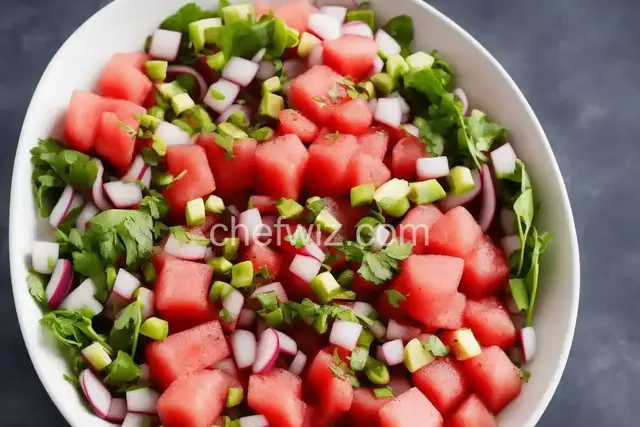
Using a mandoline or a sharp knife, thinly slice the radish into rounds. Use a vegetable peeler to create ribbons from the carrots.
In a separate bowl, toss the radish slices, carrot ribbons, and shredded cabbage together. Squeeze some lemon juice over the mixture and set it aside.
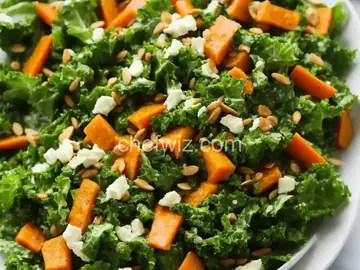
Place the kale leaves in a large bowl. Squeeze some lemon juice over the kale and sprinkle it with a few pinches of salt.
Massage the kale leaves with your hands until they become soft and wilted. The volume of the kale should reduce by about half.
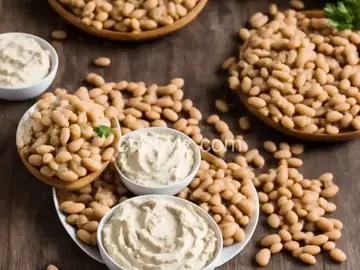
Assemble individual bowls by layering brown rice, chickpeas, kale, carrots, radishes, cabbage, sweet potatoes, sauerkraut, sesame seeds, and microgreens (if desired).
Season the assembled bowls with salt and pepper, and serve them with Turmeric Tahini Sauce.
When it comes to healthy and delicious meals, Buddha bowls are all the rage. These colorful bowls are packed with a variety of nutrient-dense ingredients, making them a perfect choice for anyone looking to fuel their body with wholesome goodness. In this article, we will explore the wonders of the Buddha bowl, with a special focus on the vibrant and refreshing watermelon radish.
Imagine a bowl filled to the brim with a rainbow of flavors and textures. Each bite is a harmonious blend of wholesome ingredients that nourish both the body and the soul. Buddha bowls are like a work of art, carefully crafted to provide a balanced and satisfying meal. They are not only visually appealing but also a great way to get a variety of nutrients in a single dish.
Building a Buddha bowl is like creating a symphony of flavors. Start with a base of leafy greens or grains, such as quinoa or brown rice. Then, add a variety of colorful veggies like carrots, bell peppers, and cucumber. Next, incorporate a source of protein, such as grilled tofu or chickpeas. Finally, top it off with a flavorful dressing or sauce to bring everything together. The possibilities are endless, and you can customize your bowl to suit your taste preferences and dietary needs.
Now, let's turn our attention to the star of the show - the watermelon radish. With its vibrant pink color and crisp texture, this radish adds a pop of color and flavor to any Buddha bowl. The watermelon radish gets its name from its resemblance to a miniature watermelon when sliced open. It has a mild, slightly peppery taste, making it a versatile ingredient that pairs well with various flavors.
Watermelon radish is often available at farmers' markets, specialty grocery stores, and some larger supermarkets. You can also consider growing them in your own garden if you have the space and resources.
Look for watermelon radishes that are firm and heavy for their size. Avoid any radishes that feel soft or have blemishes on their skin.
Yes, watermelon radishes can be enjoyed raw. They add a refreshing crunch to salads and Buddha bowls. You can also pickle them for a tangy twist.
Watermelon radishes are an excellent source of vitamin C, fiber, and potassium. They also contain antioxidants that help protect against cell damage.
Store watermelon radishes in the refrigerator, preferably in a perforated plastic bag. They should stay fresh for up to two weeks.
If you can't find watermelon radish, you can substitute it with other radish varieties or even jicama for a similar crunch and flavor.
Absolutely! In addition to Buddha bowls, you can use watermelon radish in sandwiches, wraps, and even as a garnish for tacos or sushi.
Yes, Buddha bowls can be easily prepared in advance for meal prepping. Simply store the individual components separately and assemble when ready to eat.
Absolutely! Feel free to experiment with different toppings, such as nuts, seeds, fresh herbs, or even a sprinkle of nutritional yeast for added flavor.
In conclusion, Buddha bowls are a fantastic way to enjoy a healthy and satisfying meal. The addition of watermelon radish adds a delightful burst of color and flavor to these already vibrant bowls. So why not give it a try and create your own Buddha bowl masterpiece? Your taste buds and your body will thank you!
AprilCook, recipe developer and the heart of Chefwiz. More about April