Buche de Noel (Yule Log)
Rate this recipeBe the first to rate
 By AprilPublished
 When the holiday season rolls around, it's time to indulge in delightful treats that bring joy and warmth to our hearts.
 By AprilPublished
 When the holiday season rolls around, it's time to indulge in delightful treats that bring joy and warmth to our hearts.
Preheat the oven to 350 degrees F (175 degrees C).
Grease a 9x13-inch jelly roll pan with 1 teaspoon of butter and line it with parchment paper.
Grease the parchment paper with another teaspoon of butter.
In a small bowl, whisk together the flour, cocoa powder, and salt.
In a separate bowl, combine the egg yolks, 1/4 cup of confectioners' sugar, and vanilla extract. Use an electric mixer on medium-high speed to beat the mixture until it becomes pale yellow, which should take around 3 to 4 minutes.
Clean the beaters of the electric mixer. In another bowl, beat the egg whites on medium-high speed until they become foamy, which should take around 1 to 2 minutes.
Gradually add 1/2 cup of confectioners' sugar to the egg whites and continue beating until stiff peaks form, which should take around 2 to 3 minutes more.
Gently fold the egg yolk mixture into the egg whites. Gradually fold in the flour mixture until the batter becomes smooth.
Pour the batter into the prepared jelly roll pan and spread it evenly using an offset spatula.
Bake in the preheated oven for 8 to 10 minutes, or until a toothpick inserted into the center comes out clean.
Let the cake cool for about
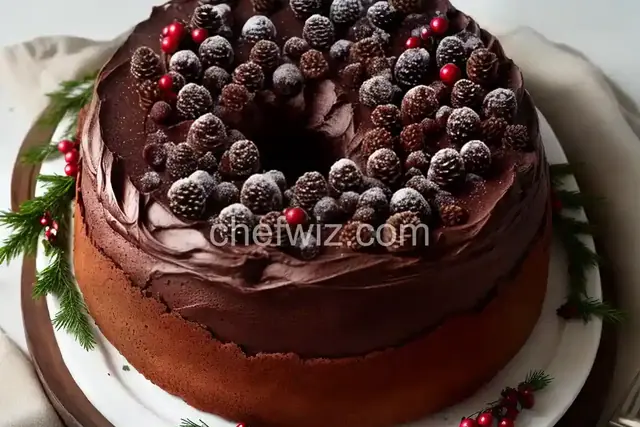
When the holiday season rolls around, it's time to indulge in delightful treats that bring joy and warmth to our hearts. One such festive dessert that never fails to impress is the Buche de Noel, also known as the Yule Log. This traditional French cake resembles a log and is a symbol of good luck and prosperity for the coming year.
The Buche de Noel has a rich history that dates back centuries. It is believed to have originated in medieval times when families would traditionally burn a large wooden log during the winter solstice. This log represented the end of one year and the beginning of another, symbolizing the cycle of life and the hope for a fruitful year ahead.
Over time, this tradition evolved into the creation of a cake that mimicked the appearance of a log. The Buche de Noel became synonymous with the Christmas season and is now a beloved dessert enjoyed by many around the world.
Creating a Buche de Noel is a labor of love that requires time and attention to detail. The process involves baking a thin sponge cake, rolling it up with a luscious filling, and decorating it to resemble a log.
First, the sponge cake is made by whisking together eggs, sugar, and flour until light and fluffy. This delicate batter is then spread evenly onto a baking sheet and baked until golden brown. Once baked, the cake is carefully rolled while still warm to prevent it from cracking.
Next comes the filling, which can vary depending on personal preference. Popular choices include chocolate ganache, buttercream, or whipped cream. The filling is spread evenly onto the cake, leaving a small border around the edges.
After the filling is applied, the cake is rolled back up, creating the log shape. It is then covered with a layer of frosting, often resembling bark, and decorated with festive elements such as meringue mushrooms, holly leaves, or powdered sugar to mimic snow.
There are many reasons why Buche de Noel is the perfect dessert for your holiday celebrations. Not only is it visually stunning, but it also offers a delightful combination of flavors and textures. The light and airy sponge cake paired with a rich filling create a harmonious balance that is sure to impress your guests.
Furthermore, the Buche de Noel serves as a beautiful centerpiece for your holiday table. Its log-like appearance adds a touch of rustic elegance, while the festive decorations add a whimsical charm. It's a dessert that not only satisfies the taste buds but also creates a memorable visual experience.
The Buche de Noel, with its rich history, symbolic significance, and delightful flavors, is a perfect addition to your holiday celebrations. Whether you choose to make it from scratch or purchase one from a bakery, this festive treat is sure to bring joy and warmth to your heart and the hearts of your loved ones. So go ahead, indulge in the magic of the Buche de Noel and create lasting memories this holiday season!
Yes, you can! The Buche de Noel can be made a day or two in advance and stored in the refrigerator. Just make sure to keep it covered to prevent the cake from drying out.
Yes, you can freeze a Buche de Noel. Wrap it tightly in plastic wrap and place it in a freezer-safe container. Thaw it in the refrigerator overnight before serving.
Absolutely! While traditional fillings include chocolate ganache, buttercream, or whipped cream, you can get creative and use flavors like coffee, matcha, or fruit curd to personalize your Buche de Noel.
The preparation and baking time for a Buche de Noel can vary, but it usually takes around 2-3 hours from start to finish. It's a labor-intensive process, but the end result is well worth the effort.
Yes, you can! There are many gluten-free recipes available that use alternative flours such as almond flour or gluten-free all-purpose flour. Just make sure to check the ingredient list for any potential allergens.
While fresh flowers can add a beautiful touch to any dessert, it's important to ensure they are safe for consumption. Some flowers may be toxic or treated with pesticides, so it's best to use edible flowers or opt for other decorative elements.
Yes, you can! There are plenty of vegan-friendly recipes available that use plant-based ingredients like coconut cream or aquafaba (chickpea brine) as a substitute for dairy and eggs. These recipes can yield delicious vegan Buche de Noel options.
Of course! If you prefer smaller portions or want to experiment with different flavors, you can make individual-sized Buche de Noel. Simply adjust the recipe and baking time accordingly, and remember to adjust the decorations to match the smaller scale.
AprilCook, recipe developer and the heart of Chefwiz. More about April