Bucatini Carbonara
Rate this recipeBe the first to rate
 By AprilPublished
 When it comes to Italian cuisine, few dishes can rival the decadent and comforting flavors of Bucatini Carbonara.
 By AprilPublished
 When it comes to Italian cuisine, few dishes can rival the decadent and comforting flavors of Bucatini Carbonara.
Fill a high-sided pan with water and bring it to a boil.
Season the boiling water with salt.
Place the bucatini pasta into the boiling water.
Heat olive oil in a large sauté pan over medium heat.
Add the pancetta to the heated pan and cook until the pancetta renders and becomes caramelized (around 3 minutes).
Add the garlic and about 1 tablespoon of black pepper to the pan and toast for about 1 minute.
Pour a ladle of pasta water into the pan to stop the cooking process, then let it simmer on low heat for 2 to 3 minutes.
In a separate bowl, whisk together the eggs and egg yolk.
Add Parmesan and Pecorino-Romano cheese to the bowl and whisk to combine.
Slowly pour a ladle of pasta water into the egg mixture to temper the eggs. Set aside.
When the pasta is cooked al dente, transfer it directly from the water to the pancetta pan.
Remove the pan from the heat and add freshly cracked pepper to taste.
Pour the egg mixture over the pasta and pancetta, and gently toss to coat.
If the sauce becomes too thick, add some additional pasta water to thin it out.
Garnish the dish with a generous sprinkling of Pecorino-Romano cheese and a drizzle
When it comes to Italian cuisine, few dishes can rival the decadent and comforting flavors of Bucatini Carbonara. This classic pasta dish, hailing from the heart of Rome, is a true masterpiece that combines simplicity with indulgence. But what exactly makes Bucatini Carbonara so special? Let's dive in and explore the magic behind this culinary delight.
Like many beloved dishes, the exact origins of Bucatini Carbonara are shrouded in mystery. Some believe it was created by charcoal workers in the Apennine mountains, who used eggs, cheese, and pancetta to create a hearty meal that would sustain them throughout the day. Others credit the Italian carbonai, or charcoal makers, for inventing this delicious pasta dish. Regardless of its origin, Bucatini Carbonara has become an iconic symbol of Italian gastronomy.
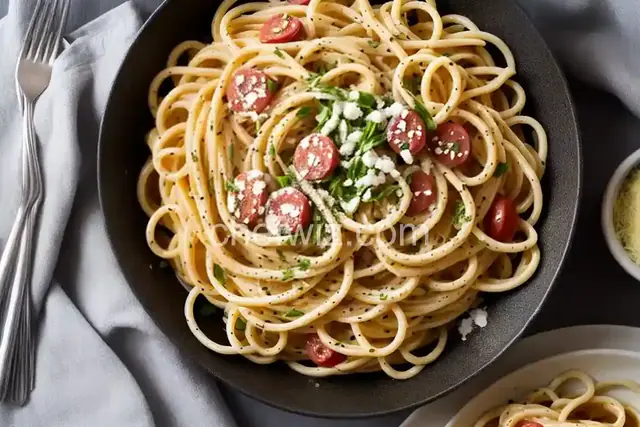
At its core, Bucatini Carbonara is a simple dish that relies on a handful of key ingredients to create a symphony of flavors. The star of the show is the pasta itself, bucatini, a thick spaghetti-like pasta with a hollow center that captures the sauce in every bite. Then comes the creamy sauce, made from eggs, Pecorino Romano cheese, and black pepper. Finally, the dish is elevated with the addition of crispy pancetta or guanciale, a type of cured pork cheek.
While the recipe for Bucatini Carbonara may seem straightforward, achieving the perfect balance of flavors and textures requires finesse. The pasta should be cooked al dente, firm to the bite, to ensure it doesn't become mushy when combined with the sauce. The sauce itself should be creamy and velvety, coating each strand of pasta with its rich goodness. And let's not forget the pancetta or guanciale, which should be crispy and golden, adding a delightful crunch to every mouthful.
As you take your first bite of Bucatini Carbonara, you'll be greeted with a burst of flavors that dance on your palate. The richness of the sauce, the saltiness of the pancetta or guanciale, and the subtle heat from the black pepper create a harmonious symphony that is both comforting and indulgent. Each strand of bucatini wraps around the sauce, ensuring that every mouthful is a delightful experience.
Whether you're enjoying Bucatini Carbonara in a cozy trattoria in Rome or recreating it in your own kitchen, this dish is sure to transport you to the heart of Italy. It's a celebration of simplicity and depth, a reminder that sometimes the most satisfying meals come from humble beginnings.
While Bucatini is the traditional choice for Carbonara, you can experiment with other types of pasta. Spaghetti or fettuccine can work well too, as long as they are cooked al dente.
While pancetta is the authentic choice, bacon can be used as a substitute. However, keep in mind that the flavors and texture will be slightly different.
Traditionally, Carbonara does not include vegetables. However, you can add sautéed mushrooms or peas for an extra burst of flavor and color.
Carbonara is a rich and indulgent dish, so it's best enjoyed in moderation. However, you can lighten it up by using less cheese and opting for turkey bacon or lean pancetta.
Carbonara is best enjoyed fresh, as the sauce can become clumpy when reheated. It's recommended to make it just before serving.
Carbonara is not suitable for freezing, as the sauce may separate and the pasta can become mushy when thawed and reheated.
Traditional Carbonara does not include cream. The creamy texture is achieved by combining eggs, cheese, and pasta water. Adding cream would alter the authentic flavors of the dish.
Pecorino Romano is the traditional cheese used in Carbonara, but you can experiment with other hard cheeses like Parmesan or Grana Padano. Just keep in mind that the flavor profile may change slightly.
In conclusion, Bucatini Carbonara is a dish that embodies the essence of Italian cuisine - simple yet indulgent, comforting yet refined. Its origins may be shrouded in mystery, but its flavors are undeniable. So go ahead, grab a fork, and savor the magic of Bucatini Carbonara!
AprilCook, recipe developer and the heart of Chefwiz. More about April