Bruschetta Pasta
Rate this recipeBe the first to rate
 By AprilPublished
 Are you a fan of Italian cuisine? Do you love the burst of flavors that come with each bite?
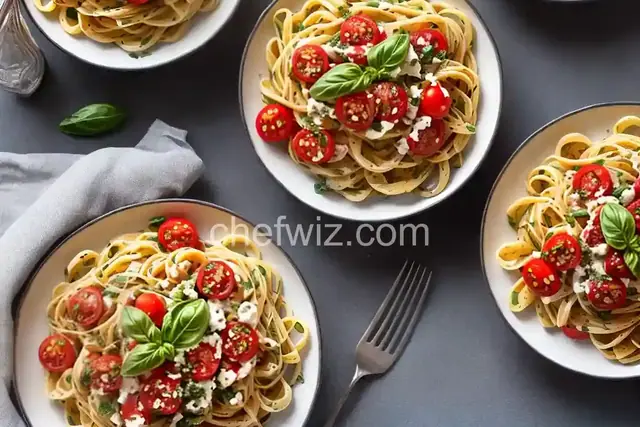 By AprilPublished
 Are you a fan of Italian cuisine? Do you love the burst of flavors that come with each bite?
Fill a large pot with water and add a pinch of salt.
Bring the water to a boil.
Add the rigatoni to the boiling water and stir occasionally.
Cook the rigatoni until it is tender but still firm to the bite, which should take around 12 minutes.
While the pasta is cooking, use a food processor to blend the onion and garlic until they form a puree.
In a medium pan, heat the oil and butter over medium-low heat.
Add the onion and garlic puree to the pan and let it simmer for about 3 minutes until it becomes fragrant.
In the same food processor, puree the tomatoes.
Add the pureed tomatoes to the onion mixture in the pan and simmer for 5 minutes.
Stir in the oregano, parsley, salt, and pepper.
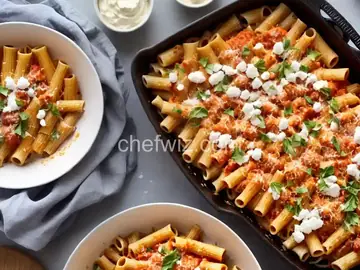
Add the cooked rigatoni and Parmesan cheese to the pan, and mix everything together well.
Remove the pan from the heat.
Toss in the mozzarella cheese and let the dish rest for 5 minutes before serving.
Are you a fan of Italian cuisine? Do you love the burst of flavors that come with each bite? If so, then you're in for a treat with this mouthwatering dish – Bruschetta Pasta! This delightful combination of toasted bread, fresh tomatoes, garlic, and basil is a classic Italian appetizer. But with a simple twist, it can be transformed into a satisfying main course. Get ready to tantalize your taste buds with the perfect blend of tangy, savory, and aromatic flavors.
Imagine taking a bite of a crisp, toasted baguette topped with juicy tomatoes, fragrant basil leaves, and a drizzle of olive oil. The flavors explode in your mouth, leaving you craving for more. That's the magic of bruschetta – a traditional Italian dish that has been enjoyed for centuries. Now, imagine taking those same delightful flavors and incorporating them into a comforting bowl of pasta. The result? A heavenly dish that brings together the best of both worlds – the freshness of bruschetta and the heartiness of pasta.
Creating this delectable dish is a breeze. Start by cooking your favorite pasta according to the package instructions. While the pasta is cooking, prepare the bruschetta topping. Chop ripe tomatoes into small pieces and combine them with minced garlic, freshly chopped basil, and a drizzle of olive oil. Season with salt and pepper to taste.
Next, toast some slices of bread until golden brown. Cut them into bite-sized pieces, resembling croutons. Drain the cooked pasta and toss it with the bruschetta mixture. The pasta will soak up all the flavors, creating a harmonious blend of tastes and textures.
Finally, serve the bruschetta pasta in a bowl, garnishing it with extra basil leaves and a sprinkle of Parmesan cheese. The aroma alone will make your mouth water, and the first bite will transport you to the streets of Italy.
Bruschetta pasta is a delightful fusion of flavors that brings together the freshness of bruschetta and the comfort of pasta. It's a dish that is simple to prepare yet packs a punch when it comes to taste. The tangy tomatoes, fragrant basil, and toasted bread make every bite a burst of flavors. Whether enjoyed as a main course or a side dish, bruschetta pasta is guaranteed to satisfy your cravings and transport you to the sunny streets of Italy.
Absolutely! While traditional bruschetta pasta is made with spaghetti or linguine, feel free to experiment with other pasta shapes. Fusilli, penne, or even tortellini can work wonders in this recipe. The key is to choose a pasta that complements the bruschetta topping.
Definitely! Bruschetta is a versatile dish, and you can customize it to your liking. Try adding diced red onions, black olives, or even a sprinkle of red pepper flakes for some heat. Just remember to strike a balance between the flavors and not overpower the fresh taste of tomatoes and basil.
While it's best to enjoy bruschetta pasta immediately after preparing it, you can make the bruschetta topping ahead of time. Keep it refrigerated in an airtight container and assemble the dish just before serving. This way, you can save time without compromising on the flavors.
Of course! Bruschetta pasta can be a delightful accompaniment to grilled meats or roasted vegetables. Its refreshing flavors and vibrant colors make it an excellent addition to any meal. Alternatively, you can also enjoy it as a light lunch or dinner on its own.
Absolutely! This dish is easily adaptable to a vegan lifestyle. Simply use vegan-friendly pasta and omit the Parmesan cheese. You can also substitute the olive oil with a vegan alternative, such as avocado oil or vegetable oil. The result will be just as delicious and satisfying.
If you're looking to amp up the protein content of your meal, feel free to add some grilled chicken, shrimp, or tofu to the bruschetta pasta. The added protein will make it a more substantial and filling dish, perfect for those looking for a complete meal.
While bruschetta pasta is traditionally served warm, you can enjoy it cold as well. It makes for a refreshing and light dish during hot summer months. Prepare it in advance, refrigerate it, and enjoy it chilled whenever you're in the mood for a cool and flavorful meal.
While using fresh tomatoes is highly recommended for the best flavor, you can substitute them with canned tomatoes if needed. Just make sure to drain the liquid from the canned tomatoes before using them in the bruschetta topping. The taste might differ slightly, but the dish will still be delicious.
AprilCook, recipe developer and the heart of Chefwiz. More about April