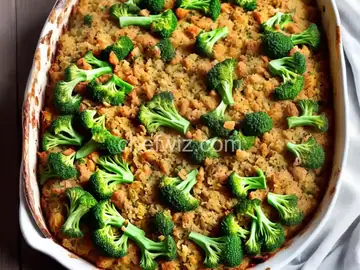
Bread and Celery Stuffing
Rate this recipeBe the first to rate
 By AprilPublished
 Are you looking for the perfect side dish to accompany your roast turkey or chicken?
 By AprilPublished
 Are you looking for the perfect side dish to accompany your roast turkey or chicken?
Allow the bread slices to dry in the open air for 1 to 2 hours, and then proceed to cut them into cubes.
In a Dutch oven, melt the butter over medium heat. Cook the onion and celery until they become soft.
Season the cooked onion and celery mixture with poultry seasoning, salt, and pepper.
Stir the bread cubes into the mixture until they are evenly coated.
Moisten the mixture with chicken broth and ensure it is well mixed.
Chill the mixture before using it as stuffing for a turkey, or alternatively, bake it in a buttered casserole dish at 350 degrees F (175 degrees C) for approximately 30 to 40 minutes.
Are you looking for the perfect side dish to accompany your roast turkey or chicken? Look no further than bread and celery stuffing! This classic dish is a Thanksgiving staple, but it's also a delicious addition to any meal. With its savory flavors and comforting texture, bread and celery stuffing is sure to be a crowd-pleaser. In this article, we'll explore the art of making this mouthwatering stuffing and share some helpful tips to ensure your dish turns out perfectly every time.
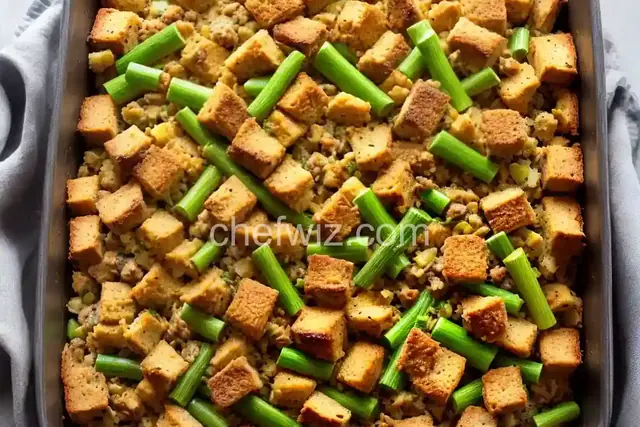
At its core, bread and celery stuffing is a simple combination of cubed bread, sautéed celery, onions, and a variety of seasonings. The bread acts as a base, soaking up all the delicious flavors of the other ingredients. The celery adds a pleasant crunch and a hint of freshness, while the onions provide a savory aroma and depth of flavor.
To make bread and celery stuffing, start by toasting the bread cubes until they are golden brown and crispy. Meanwhile, sauté the celery and onions in butter until they are soft and translucent. Combine the bread cubes with the sautéed vegetables, and toss them gently to ensure even distribution. Add your favorite seasonings, such as sage, thyme, and parsley, to enhance the flavor profile.
To take your bread and celery stuffing to the next level, consider these helpful tips:
Using stale or day-old bread is ideal for stuffing. It has a firmer texture and won't become too mushy when mixed with the other ingredients. If you don't have stale bread on hand, you can also dry out fresh bread in the oven before cubing it.
For added texture and flavor, consider incorporating additional ingredients into your stuffing. Chopped nuts, dried fruits, or cooked bacon can bring a delightful crunch or sweetness to the dish, elevating it to new heights.
When combining the bread cubes with the sautéed vegetables, be careful not to overmix. Overmixing can lead to a dense and compact stuffing. Instead, gently toss the ingredients together until they are evenly distributed.
Seasonings are crucial in bread and celery stuffing. Don't be afraid to experiment and adjust the flavors to your liking. If you prefer a bolder taste, add more herbs and spices. If you enjoy a milder flavor, go easy on the seasonings.
Bread and celery stuffing is a timeless dish that brings comfort and flavor to any meal. With its simple yet delicious combination of ingredients, it's no wonder this stuffing has become a staple on holiday tables. Whether you're preparing a Thanksgiving feast or simply want to elevate your dinner, bread and celery stuffing is a must-try. Remember to follow the tips mentioned above for a stuffing that will impress your family and friends. Enjoy!
Absolutely! You can use any type of bread you prefer, whether it's a rustic loaf, sourdough, or even cornbread. Just make sure to adjust the seasonings accordingly to complement the bread's flavor profile.
Yes, you can! To save time on the day of your meal, you can prepare the stuffing a day in advance. Simply assemble all the ingredients, refrigerate them, and then bake the stuffing on the day you plan to serve it.
Absolutely! You can easily make the stuffing vegetarian or vegan by using vegetable broth instead of chicken or turkey broth and replacing butter with plant-based alternatives. The result will be just as delicious!
Yes, you can freeze leftover stuffing! Simply place it in an airtight container or freezer bag, and it will stay fresh for up to three months. When you're ready to enjoy it, thaw it in the refrigerator overnight and reheat it in the oven.
To prevent your stuffing from becoming too dry, make sure to use enough liquid. This can be in the form of broth or stock. If you find that your stuffing is drying out during baking, you can drizzle some additional broth over the top to moisten it.
Absolutely! Adding cooked sausage, bacon, or diced chicken can add an extra layer of flavor and richness to your stuffing. Just make sure to cook the meat thoroughly before incorporating it into the stuffing mixture.
Yes, you can use gluten-free bread to make your stuffing. There are many delicious gluten-free bread options available that will work perfectly in this recipe.
Of course! If you're not a fan of celery or don't have any on hand, you can omit it from the recipe. You can replace it with other vegetables like carrots, mushrooms, or bell peppers for added flavor and texture.
AprilCook, recipe developer and the heart of Chefwiz. More about April