Brazilian Collards
Rate this recipeBe the first to rate
 By AprilPublished
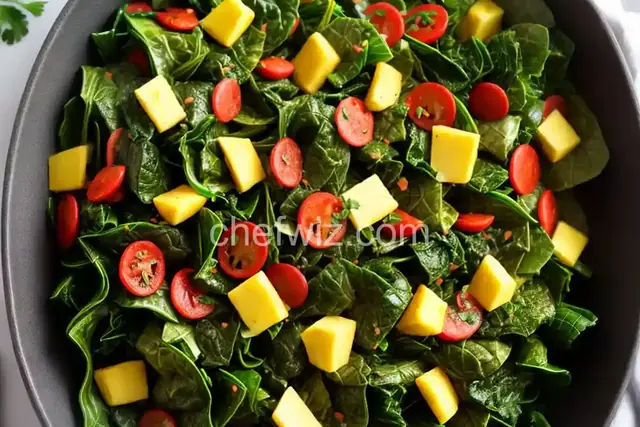
 Are you looking to add some greenery to your plate? Look no further than Brazilian collards!
 By AprilPublished
 Are you looking to add some greenery to your plate? Look no further than Brazilian collards!
Heat a large heavy-bottomed pot over medium-high heat and add the bacon. Cook until the bacon is browned and has released most of its grease.
Stir in the onion and cook for about 4 minutes, or until the onion is tender and glistening.
Add the collards to the pot and stir to coat them with the bacon drippings.
Pour in the chicken stock and season with cayenne pepper.
Reduce the heat to low and let the mixture cook for 1 hour and 15 minutes.
After the cooking time, stir in the red wine vinegar and continue cooking for an additional 15 minutes, or until the liquid has reduced by about 1/2.
Are you looking to add some greenery to your plate? Look no further than Brazilian collards! These nutritious and versatile leafy greens are a staple in Brazilian cuisine, and they are packed with flavor and health benefits. In this article, we'll explore the wonders of Brazilian collards and how you can incorporate them into your diet.
Brazilian collards, also known as couve, are a nutritional powerhouse. They are loaded with vitamins A, C, and K, as well as minerals like calcium and iron. These leafy greens are also rich in antioxidants, which help protect your body against free radicals and promote overall health.
But the benefits don't stop there. Brazilian collards are great for digestion due to their high fiber content, and they can contribute to lower cholesterol levels and improved heart health. Plus, they are low in calories, making them an excellent addition to a weight-loss or weight-maintenance diet.
Now that you know about the incredible benefits of Brazilian collards, let's talk about how you can incorporate them into your meals. The possibilities are endless!
You can start by sautéing Brazilian collards with garlic and olive oil for a simple and delicious side dish. The garlic adds a savory flavor that pairs perfectly with the slight bitterness of the collards. You can also add some chili flakes for a bit of heat if you like.
Another option is to use Brazilian collards in soups and stews. Their hearty texture holds up well in simmering liquids, and they add a nutritious boost to any recipe. Try adding them to your favorite vegetable soup or bean stew for an extra dose of vitamins and minerals.
If you're feeling adventurous, you can even use Brazilian collards as a wrap for your favorite fillings. Just blanch the leaves for a few seconds, then fill them with your choice of protein, vegetables, and sauces. It's a healthy and creative alternative to traditional wraps or tortillas.
One of the best things about Brazilian collards is their versatility. They can be used in a variety of dishes and cuisines, making them a great addition to any kitchen.
Whether you're cooking Brazilian food or experimenting with other cuisines, Brazilian collards can bring a unique twist to your recipes. They can be added to pasta dishes, stir-fries, salads, and even smoothies. Their mild flavor and sturdy texture make them a perfect substitute for other leafy greens like kale or spinach.
So why not give Brazilian collards a try? They are easy to find in most grocery stores and farmers markets, and they are a budget-friendly option for adding more greens to your diet.
Brazilian collards are a nutritious and flavorful addition to any meal. Their health benefits, versatility, and delicious taste make them a must-try for anyone looking to enhance their plate with vibrant greens. So next time you're at the store, grab a bunch of Brazilian collards and get creative in the kitchen!
Brazilian collards can be stored in the refrigerator. Just make sure to remove any rubber bands or ties, wash the leaves thoroughly, and store them in a plastic bag or airtight container.
Yes, you can freeze Brazilian collards for future use. Simply blanch the leaves in boiling water for a few seconds, then transfer them to an ice bath to cool. Once cooled, drain the leaves and store them in freezer-safe bags or containers.
To prepare Brazilian collards, wash the leaves thoroughly under running water. Trim off any tough stems, then chop or tear the leaves into smaller pieces. They are now ready to be cooked or used in your favorite recipes.
While Brazilian collards are typically cooked, they can also be enjoyed raw in salads or as a garnish. However, keep in mind that raw collards have a slightly bitter taste, so you may want to combine them with other milder greens.
Brazilian collards are similar to regular collard greens in terms of appearance and texture. However, they have a slightly different flavor profile and are often used in Brazilian cuisine.
Brazilian collards are relatively easy to grow, and they thrive in warm climates. If you have a sunny garden or a balcony with ample sunlight, you can try growing your own Brazilian collards from seeds or seedlings.
Yes, you can easily substitute Brazilian collards for kale or spinach in most recipes. They have a similar texture and can be used in soups, stir-fries, salads, and more.
While Brazilian collards are commonly used in Brazilian cuisine, they can be incorporated into various cuisines and dishes. Their versatility makes them a great addition to any kitchen.
AprilCook, recipe developer and the heart of Chefwiz. More about April