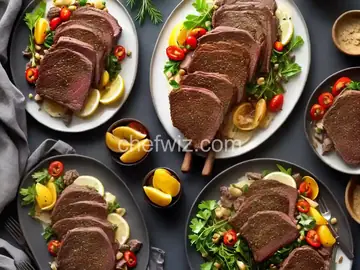
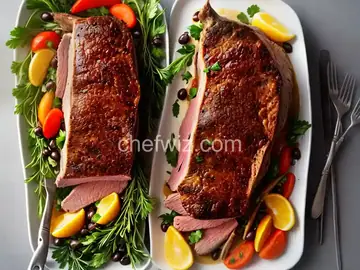
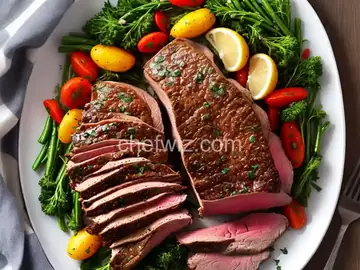
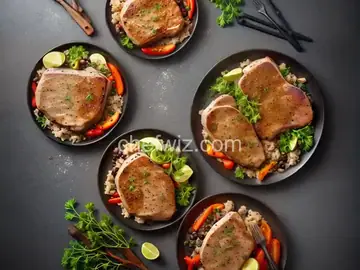
Braised Lamb Shanks
Rate this recipeBe the first to rate
 By AprilPublished
 Are you looking for a dish that will impress your dinner guests?
 By AprilPublished
 Are you looking for a dish that will impress your dinner guests?
Preheat the oven to 350 degrees F (175 degrees C).
Layer the onions at the bottom of a Dutch oven or medium roasting pan with a lid.
Arrange the lamb shanks on top of the onions.
Pour the wine, balsamic vinegar, and olive oil over the lamb.
Place a clove of pressed garlic next to each shank, and a quarter of a lemon on each side.
Pour the tomatoes over everything.
Season with salt, pepper, and basil.
Cover the pan and place it in the preheated oven.
Cook for 3 hours.
Use the juices from the pan to make a flavorful gravy.
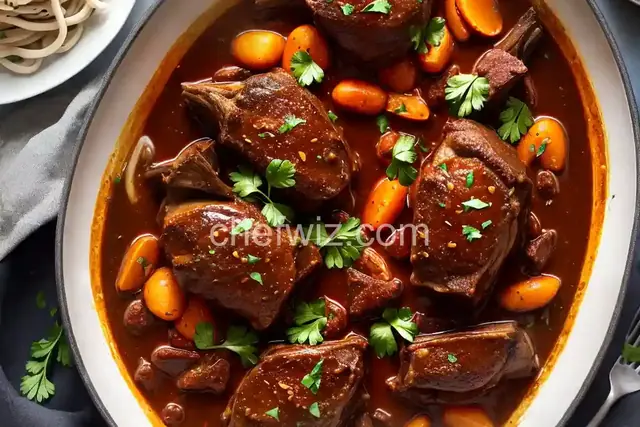
Are you looking for a dish that will impress your dinner guests? Something that is both tender and full of flavor? Look no further than braised lamb shanks! This mouthwatering dish is a true delight for any meat lover. Let's dive into the world of braised lamb shanks and discover why it's a dish worth trying.
Braising is a cooking technique that involves slow-cooking meat in liquid, resulting in a tender and succulent dish. It's like giving your lamb shanks a relaxing spa treatment, allowing them to soak up all the flavors and become melt-in-your-mouth delicious.
Lamb shanks are the ideal cut of meat for braising. Their rich and intense flavor is enhanced by the slow cooking process, creating a dish that is both robust and comforting. The collagen in the shanks breaks down during braising, resulting in tender meat that falls off the bone with each bite.
When it comes to braising lamb shanks, it's important to select the right ingredients to complement the meat's natural flavors. Aromatic vegetables like onions, carrots, and garlic provide a flavorful base, while herbs like rosemary and thyme add a touch of freshness. And let's not forget about the star of the show - a rich and hearty red wine that will infuse the meat with its complex flavors.
Now that we understand the art of braising and the perfect pairing of lamb shanks, let's talk about how to prepare this delectable dish.
Before we start braising, we need to give the lamb shanks a beautiful golden crust. Searing the meat in a hot pan will not only enhance the flavor but also create a caramelized exterior that adds depth to the dish.
Once the lamb shanks are seared to perfection, it's time to introduce them to their luxurious bath of flavors. Place the shanks in a deep, oven-safe dish, surrounded by the aromatic vegetables. Pour in the red wine and broth until the shanks are partially submerged. Cover the dish tightly and let the magic happen in the oven as the meat slowly braises at a low temperature.
Braising lamb shanks requires patience. This is not a dish to rush. Allow the meat to braise for hours, filling your home with the tantalizing aroma of slow-cooked goodness. The result? Lamb shanks that are tender, juicy, and bursting with flavor.
Braised lamb shanks are a culinary masterpiece that combines the art of braising with the robust flavors of lamb. This dish is perfect for special occasions or when you simply want to indulge in a truly satisfying meal. So, why not treat yourself and your loved ones to the tender and flavorful delight of braised lamb shanks?
While lamb shanks are the recommended cut for braising, you can experiment with other cuts like beef short ribs or pork shoulder. Just keep in mind that cooking times may vary.
If you prefer not to use red wine, you can substitute it with beef or vegetable broth. However, keep in mind that the flavor profile of the dish may change.
For tender and fall-off-the-bone lamb shanks, you should braise them for at least 2-3 hours. The longer the braise, the more tender the meat will be.
Absolutely! In fact, braised lamb shanks taste even better the next day as the flavors have had time to meld together. Just reheat gently on the stovetop or in the oven before serving.
Braised lamb shanks pair well with creamy mashed potatoes, polenta, or a crusty baguette to soak up the delicious sauce. You can also serve them with roasted vegetables or a fresh green salad for a well-rounded meal.
Yes, you can freeze leftover braised lamb shanks. Allow them to cool completely, then transfer them to an airtight container or freezer bag. They can be stored in the freezer for up to 3 months.
Absolutely! A slow cooker is a convenient and reliable way to braise lamb shanks. Simply follow the same steps of searing the meat and adding it to the slow cooker with the remaining ingredients. Cook on low for 6-8 hours or until the meat is tender.
Yes, lamb shoulder can be used as a substitute for lamb shanks in braised dishes. The cooking time may be slightly shorter, so keep an eye on the meat to ensure it reaches the desired tenderness.
AprilCook, recipe developer and the heart of Chefwiz. More about April