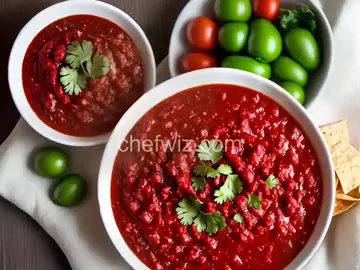
Bouillabaisse with Rouille: A Mediterranean Delight
Are you craving a taste of the Mediterranean? Look no further than bouillabaisse with rouille, a traditional French fish stew that will transport your taste buds to the sunny shores of Provence. In this article, we'll explore the rich history and flavors of this iconic dish, as well as the secret to making the perfect rouille. So, put on your chef's hat and let's dive into the world of bouillabaisse!
The Origins of Bouillabaisse
Imagine sitting by the sparkling azure waters of the Mediterranean Sea, the salty breeze gently caressing your face. Your senses are awakened by the aroma of freshly caught seafood simmering in a fragrant broth. This is the essence of bouillabaisse, a dish that originated in the fishing villages of Marseille, France.
Legend has it that bouillabaisse was created by the fishermen of Marseille, who would use the unsold or unwanted fish from their catch to make a hearty stew. Over time, the dish evolved, with each family adding their own twist to the recipe. Today, bouillabaisse is considered a culinary masterpiece, showcasing the bounty of the sea in a single bowl.
The Building Blocks of Bouillabaisse
At its core, bouillabaisse is a combination of fresh fish, shellfish, aromatic herbs, and flavorful spices. The stew is typically made with a variety of fish such as monkfish, sea bass, and red mullet, along with shellfish like mussels and shrimp. The broth is infused with the flavors of saffron, garlic, fennel, and tomatoes, creating a symphony of taste.
To achieve the perfect balance of flavors in your bouillabaisse, it's important to use the freshest ingredients available. Seek out a trusted fishmonger who can guide you in selecting the best seafood for your stew. Remember, the quality of your ingredients will directly impact the taste of your final dish.
The Secret to Rouille
No discussion of bouillabaisse would be complete without mentioning rouille. This fiery sauce is traditionally served with the stew, adding a punch of flavor and a vibrant red hue. Made from garlic, breadcrumbs, saffron-infused broth, and olive oil, rouille is a versatile condiment that can be spread on crusty bread or stirred into the stew for an extra kick.
Creating the perfect rouille requires a delicate balance of ingredients. Too much garlic, and it overwhelms the other flavors. Too little saffron, and you lose the vibrant color. Experiment with different ratios until you find the perfect balance for your palate.
In Conclusion
Bouillabaisse with rouille is a culinary adventure that transports you to the sun-drenched shores of the Mediterranean. With its delicate balance of flavors and vibrant colors, this iconic dish is sure to impress your family and friends. So don your apron, gather your ingredients, and embark on a gastronomic journey that will leave you craving more!
Frequently asked questions
- . Can I use frozen fish for bouillabaisse?
While fresh fish is generally preferred for bouillabaisse, you can use frozen fish if fresh is not available. Just make sure to thaw the fish thoroughly and pat it dry before adding it to the stew.
- . Can I substitute the seafood in bouillabaisse?
Absolutely! Bouillabaisse is a versatile dish, and you can customize it to suit your preferences. Try using different types of fish or adding clams and scallops for a unique twist.
- . Is bouillabaisse difficult to make?
While bouillabaisse may seem intimidating, it's actually quite simple to make. The key is to take your time and let the flavors develop. Trust your instincts and don't be afraid to experiment!
- . Can I make bouillabaisse in advance?
Yes, bouillabaisse can be made in advance and actually tastes even better the next day. Just be sure to store it in an airtight container in the refrigerator and reheat gently before serving.
- . What is the best wine to pair with bouillabaisse?
A crisp, dry white wine such as Sauvignon Blanc or Chardonnay pairs beautifully with bouillabaisse. The acidity of the wine complements the richness of the stew.
- . Can I make bouillabaisse vegetarian?
Yes, you can make a vegetarian version of bouillabaisse by substituting the fish and shellfish with vegetables like fennel, carrots, and potatoes. The flavors will be different, but equally delicious.
- . Can I freeze bouillabaisse?
It is not recommended to freeze bouillabaisse as the texture and flavors may be compromised. It is best enjoyed fresh.
- . What is the best way to serve bouillabaisse?
Bouillabaisse is traditionally served with a side of rouille, crusty bread, and a glass of wine. The bread is perfect for soaking up the flavorful broth, and the rouille adds a delightful kick to each bite.
 By AprilPublished