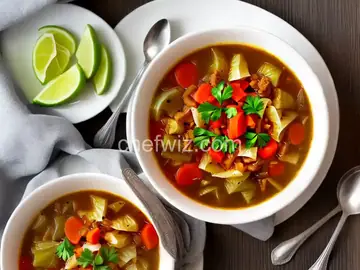
Borscht I
Rate this recipeBe the first to rate
 By AprilPublished
 Have you ever wondered what makes Eastern European cuisine so fascinating?
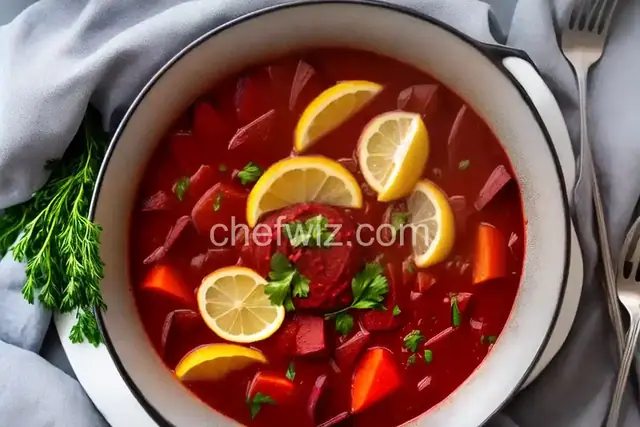 By AprilPublished
 Have you ever wondered what makes Eastern European cuisine so fascinating?
In a large stock pot, combine water, salt, carrots, 1/2 of the bell pepper, celery, beet, tomatoes, and quartered potatoes. Place over high heat and bring to a boil.
In a separate skillet, melt 1/3 cup butter over medium heat. Saute onions in the butter until tender, for about 5 minutes.
Stir in tomatoes, reduce the heat to medium-low, and simmer for 15 minutes. Take out 1/2 cup of the sauce from the skillet and set it aside.
Mix half of the cabbage into the skillet with the remaining sauce and continue simmering for 5 more minutes, or until tender.
Remove the beet from the boiling liquid and discard it. Take out the potatoes using a slotted spoon or tongs and place them in a bowl. Add the remaining 1 tablespoon of butter and cream to the bowl. Mash the ingredients together until smooth.
Return the reserved 1/2 cup of onion-tomato sauce to the stock pot. Stir in diced potatoes and simmer until they are just tender but still firm, for approximately 5 minutes.
Increase the heat to a low boil and stir in the remaining cabbage, tomato sauce, and mashed potatoes. Reduce the heat and simmer for a few more minutes.
Finally, stir in the remaining bell pepper, season with black pepper, and serve.
Have you ever wondered what makes Eastern European cuisine so fascinating? The flavors, the colors, and the unique combinations of ingredients all contribute to the richness of this diverse culinary tradition. And one dish that perfectly embodies the essence of Eastern European cuisine is borscht. Join me on a culinary journey as we explore the history, flavors, and variations of this beloved beet soup.
Borscht has its roots in Ukraine, where beetroot has been cultivated for centuries. This vibrant vegetable, with its deep red hue, became the star ingredient of a hearty soup that quickly gained popularity across Eastern Europe. Over time, borscht spread to countries like Russia, Poland, and Lithuania, each putting their own twist on the recipe.
What sets borscht apart is its unique combination of sweet and sour flavors. The earthy sweetness of the beets is balanced by the tanginess of vinegar or lemon juice, creating a harmonious taste that lingers on your palate. Other key ingredients include cabbage, carrots, onions, and potatoes, which add depth and texture to the soup.
Just as Eastern European cuisine varies from country to country, so does borscht. In Russia, you'll find a heartier version with chunks of beef, while in Poland, they add sour cream to create a creamy and indulgent soup. In Lithuania, borscht is often served cold, making it a refreshing summer dish. Each variation showcases the creativity and unique culinary traditions of the region.
Not only is borscht a delight for your taste buds, but it also offers numerous health benefits. Beets, the star ingredient, are packed with essential nutrients like fiber, folate, and vitamin C. They are also known to have antioxidant and anti-inflammatory properties. Additionally, the vegetables and herbs used in borscht provide a wide range of vitamins and minerals, making it a nourishing and wholesome meal.
Borscht is best served piping hot, especially during cold winter months when you crave something hearty and comforting. You can enjoy it as a meal on its own or pair it with freshly baked bread for a complete dining experience. Don't forget to add a dollop of sour cream and a sprinkle of fresh dill on top to enhance the flavors even more.
Embarking on a culinary adventure is like exploring uncharted territories. Just like borscht brings together a myriad of flavors and ingredients, trying out new dishes opens up a world of possibilities. So why not step out of your comfort zone and savor the delights of Eastern European cuisine? You might discover a new favorite that tantalizes your taste buds and broadens your culinary horizons.
Borscht is more than just a soup; it's a testament to the diversity and richness of Eastern European cuisine. From its humble origins in Ukraine to its various interpretations across different countries, borscht has become an iconic dish that continues to captivate food enthusiasts worldwide. So next time you sit down for a meal, why not add a touch of Eastern European flair with a steaming bowl of borscht?
No, borscht can be made with both vegetarian and non-vegetarian variations. Vegetarian versions exclude meat, while non-vegetarian versions often include beef or other meats.
Yes, borscht can be frozen for later consumption. However, it's best to freeze it before adding any dairy products like sour cream, as this may affect the texture when thawed.
While beets are a fundamental ingredient in traditional borscht, you can experiment with substitutes like red cabbage or radishes if you're not a fan of beets.
Common garnishes for borscht include sour cream, fresh dill, chopped green onions, and a squeeze of lemon juice. These additions enhance the flavors and add a touch of freshness.
No, borscht is not traditionally spicy. However, you can add a hint of heat by incorporating ingredients like chili flakes or hot sauce if you prefer a spicier version.
Yes, borscht can be made in a slow cooker. Simply combine all the ingredients and cook on low for several hours until the flavors meld together.
Yes, borscht can be enjoyed as a standalone meal due to its hearty and nutritious nature. However, it can also be served as an appetizer or accompanied by other dishes.
Absolutely! Borscht is a versatile soup, and you can customize the vegetables to suit your taste preferences or seasonal availability. Feel free to experiment and add your favorite veggies to the mix.
AprilCook, recipe developer and the heart of Chefwiz. More about April