Boneless Rib Eye
Rate this recipeBe the first to rate
 By AprilPublished
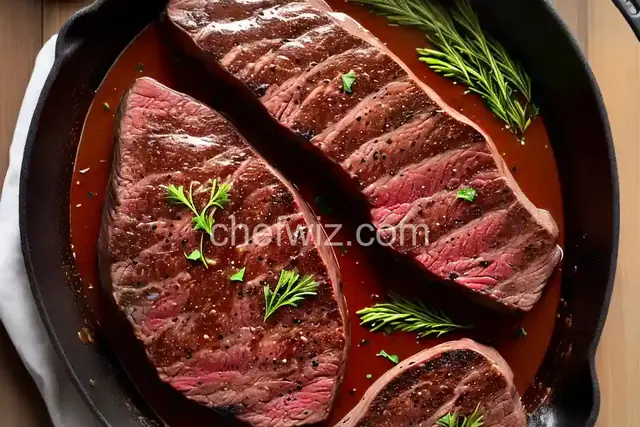
 Are you a meat lover? Do you crave the perfect cut that will satisfy your taste buds?
 By AprilPublished
 Are you a meat lover? Do you crave the perfect cut that will satisfy your taste buds?
Preheat the oven to 450 degrees F.
Preheat the grill on high heat.
To prepare the steak, combine all the dry rub ingredients in a deep bowl. Coat the steak with the mixture, ensuring that the dry rub covers the entire steak.
Place the steak on a hot grill and cook for approximately 4 minutes on each side, until slightly charred. This will result in a rare steak.
Transfer the steak to the preheated oven and cook according to your desired doneness: 10 minutes for medium rare, 20 minutes for medium, and 25 minutes for medium well.
To assemble the dish, place the cooked steak on an oval dish. Top the steak with the prepared potatoes.
Surround the plate with the fried artichoke hearts.
Wash the potatoes thoroughly and cut them into quarters. Boil the potatoes in water for about 15 minutes, or until they are fork-tender. Drain the potatoes well.
In a sauté pan, melt the butter. Once it starts bubbling, add the boiled potatoes. Season with salt and pepper to taste.
Use the back of a fork to smash the potatoes until they gather in the pan. Finish the potatoes by topping them with sour cream, green onions, and bacon.
Preheat the oil in a fryer or a deep pot to 350 degrees F.
Remove the artichoke hearts
Are you a meat lover? Do you crave the perfect cut that will satisfy your taste buds? Look no further than the boneless rib eye. This succulent piece of meat is a delight for both your eyes and your palate. In this article, we will explore why the boneless rib eye is the go-to choice for steak enthusiasts everywhere.
Imagine sinking your teeth into a juicy, tender piece of steak that melts in your mouth. That's the magic of the boneless rib eye. The marbling of fat throughout the meat gives it an unparalleled flavor and a buttery texture. It's like a symphony of taste that will leave you craving for more.
One of the reasons why the boneless rib eye is so delicious is the perfect balance of fat. The marbled fat within the meat not only enhances the flavor but also keeps the meat moist and juicy during cooking. This fat melts as you cook, infusing the meat with its rich, savory essence.
Another exceptional characteristic of the boneless rib eye is its tenderness. The meat is incredibly tender due to the fine grain and the marbling of fat. This tenderness creates a luxurious mouthfeel that makes each bite a pleasure to savor.
Now that we understand the merits of the boneless rib eye, let's delve into the art of cooking it to perfection. Whether you prefer grilling, pan-searing, or broiling, the boneless rib eye is versatile and forgiving, making it an ideal choice for both seasoned chefs and home cooks.
Grilling a boneless rib eye is a timeless tradition that imparts a smoky flavor and gorgeous grill marks. Season the meat with simple spices, such as salt, pepper, and garlic powder, and let the grill work its magic. The high heat sears the outside, creating a caramelized crust while keeping the inside tender and juicy.
If grilling isn't an option, pan-searing is an excellent alternative. Heat a cast-iron skillet until it's smoking hot, and then sear the rib eye on each side. Finish it off in the oven for the perfect medium-rare or medium doneness. The intense heat of the skillet locks in the flavors, resulting in a steak that's bursting with taste.
The boneless rib eye is a cut above the rest. Its flavor, tenderness, and versatility make it the ultimate choice for any meat lover. Whether you're celebrating a special occasion or simply indulging in a delicious meal, the boneless rib eye is sure to please. So, treat yourself to this culinary masterpiece and experience the true joy of savoring the perfect steak.
When selecting a boneless rib eye, look for meat that is bright red with creamy white fat marbling. This indicates a well-marbled and flavorful cut.
The ideal cooking temperature for a boneless rib eye is around 130-135°F (54-57°C) for medium-rare. Adjust the temperature based on your desired level of doneness.
Allow the cooked boneless rib eye to rest for about 5-10 minutes before cutting into it. This allows the juices to redistribute, resulting in a more flavorful and tender steak.
Yes, you can freeze a boneless rib eye. Wrap it tightly in plastic wrap or place it in an airtight container before freezing. It can be stored in the freezer for up to three months.
Classic side dishes like mashed potatoes, roasted vegetables, and creamed spinach complement a boneless rib eye perfectly. Don't forget to add a flavorful sauce or a dollop of herb butter for an extra touch of indulgence.
While it's not necessary to marinate a boneless rib eye due to its incredible flavor, you can marinate it if you desire. Keep the marinade simple to let the natural taste of the meat shine through.
A boneless rib eye steak should be around 1-1.5 inches thick. This thickness allows for even cooking and optimal tenderness.
The main difference between a bone-in rib eye and a boneless rib eye is the presence or absence of the bone. The bone-in rib eye typically has more flavor due to the marrow in the bone, while the boneless rib eye offers convenience and ease of eating.
AprilCook, recipe developer and the heart of Chefwiz. More about April