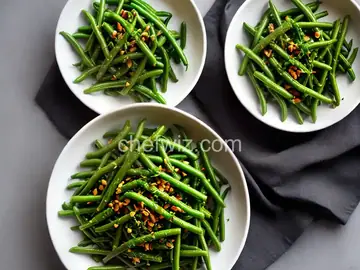
Blistered Green Beans
Rate this recipeBe the first to rate
 By AprilPublished
 Green beans are a versatile and nutritious vegetable that can be prepared in a variety of ways.
 By AprilPublished
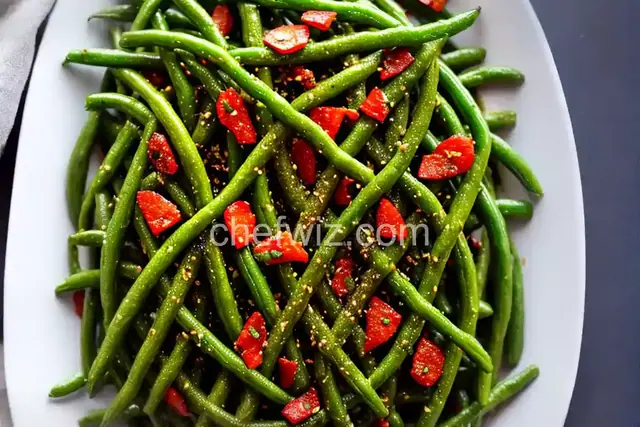
 Green beans are a versatile and nutritious vegetable that can be prepared in a variety of ways.
Preheat a cast-iron skillet over medium-high heat.
Place the butter in the skillet and allow it to melt.
Add the beans to the skillet and let them sit for approximately 90 seconds until they start to blister.
Toss the beans gently and continue to cook until they blister further.
Pour the soy sauce over the beans and toss to ensure they are evenly coated.
Serve the deliciously blistered beans.
Green beans are a versatile and nutritious vegetable that can be prepared in a variety of ways. One delicious and simple method is blistering. In this article, we'll explore the process of blistering green beans and why it's a fantastic way to enhance their flavor and texture. So, let's dive in and discover how to create these mouthwatering blistered green beans!
Blistering is a cooking technique that involves quickly cooking vegetables over high heat until they develop a blistered and slightly charred appearance. This method not only adds a beautiful caramelized flavor to the green beans but also creates a delightful contrast between the crisp exterior and the tender interior.
Blistering green beans is a fantastic way to elevate their taste and texture. The high heat causes the sugars in the beans to caramelize, resulting in a slightly sweet and nutty flavor. Additionally, the blistered skin provides a delightful crunch that complements the softness of the beans. It's a match made in culinary heaven!
Blistering green beans is a straightforward process that requires just a few simple steps. First, heat a skillet or wok over high heat until it's smoking hot. Add a bit of oil, such as olive oil or sesame oil, to the pan. Then, carefully add the green beans and toss them quickly to coat them in the hot oil. Cook the beans for a few minutes, stirring occasionally, until they develop a blistered and charred appearance. Finally, season the beans with salt and pepper to taste and serve them immediately for maximum enjoyment.
While blistering green beans is a relatively simple process, there are a few tips to ensure you achieve the best results:
Blistered green beans can be enjoyed as a standalone side dish or incorporated into various recipes. Their unique flavor and texture make them a perfect accompaniment to grilled meats, roasted poultry, or even pasta dishes. Experiment with different seasonings, such as garlic, chili flakes, or lemon zest, to customize the flavor profile and add a personal touch to your meals.
Blistered green beans are a delightful and versatile side dish that can elevate any meal. Their blistered and slightly charred appearance, coupled with their crisp texture and sweet nutty flavor, makes them a crowd-pleaser. Whether you enjoy them on their own or incorporate them into other dishes, blistered green beans are sure to tantalize your taste buds. So, why not give this simple cooking technique a try and savor the magic of blistered green beans?
While fresh green beans are ideal for blistering, you can use frozen green beans in a pinch. Just make sure to thaw and pat them dry before cooking to prevent excess moisture.
The cooking time for blistering green beans will vary depending on the heat and thickness of the beans. Generally, it takes around 2-3 minutes for the beans to develop a blistered appearance.
Blistering green beans is typically done on the stovetop using high heat. While you can roast green beans in the oven, it won't achieve the same blistered effect.
Blistered green beans are best enjoyed immediately after cooking to retain their crispy texture. They can be prepared in advance, but they may become less crispy when reheated.
Absolutely! Blistering is a versatile cooking technique that can be used with various vegetables such as asparagus, Brussels sprouts, or even cherry tomatoes. Get creative and experiment with different flavors and textures.
Yes, blistered green beans are a healthy and nutritious option. They are low in calories and packed with vitamins, minerals, and fiber. However, be mindful of the amount of oil and seasoning used to keep them light and balanced.
While oil helps create a beautiful blistered effect and adds flavor, you can blister green beans without oil by using a non-stick skillet or a small amount of cooking spray. However, the result may not be as crispy or flavorful.
If blistering isn't your preferred cooking method, you can also steam, sauté, roast, or stir-fry green beans. Each method offers a unique flavor and texture profile, allowing you to explore different culinary possibilities.
AprilCook, recipe developer and the heart of Chefwiz. More about April