Black IPA Recipe
Rate this recipeBe the first to rate
 By AprilPublished
 When it comes to craft beer, there's a style that stands out from the crowd - Black IPA.
 By AprilPublished
 When it comes to craft beer, there's a style that stands out from the crowd - Black IPA.
Heat 2 gallons of water to 170°F. Remove from heat and place specialty malts in a mesh bag. Cover and let steep for 1 hour. Discard the malt.
Bring 2 gallons of water to a boil. Add the steeping tea from step 1. Slowly stir in the extract. Add enough water to reach a total of 6.5 gallons. Bring to a boil on high heat.
Start a countdown timer for 90 minutes once the mixture is boiling. Add the specified quantities of hops at the indicated times.
After 90 minutes, remove from heat. Cool the wort to below 70°F using either an ice bath or a wort chiller. Maintain sanitary conditions throughout.
Transfer the wort to a sanitized fermentation bucket or carboy. Attach an airlock and cool to 62°F.
Once the wort has reached 62°F, aerate it and add the yeast.
Allow the wort temperature to rise to 66°F and maintain for one week or until fermentation is complete. Transfer the mixture to a secondary container and add the specified quantity of dry hops. Let it lager for 5 days.
Lower the temperature to 38°F and either keg the beer or bottle it. Enjoy in two weeks if kegged, or six weeks if bottled.
When it comes to craft beer, there's a style that stands out from the crowd - Black IPA. This unique brew combines the rich, roasty flavors of a stout or porter with the hoppy bitterness of an IPA. The result is a complex and intriguing beer that captures the best of both worlds. In this article, we'll dive into the world of Black IPA, exploring its origins, characteristics, and how you can create your own batch of this dark delight.
The story of Black IPA begins in the Pacific Northwest, where craft brewers were on a quest to push the boundaries of traditional beer styles. They wanted to create something new and exciting, a beer that would challenge the taste buds and defy expectations. And so, Black IPA was born.
Also known as Cascadian Dark Ale, this style gained popularity in the early 2000s. It was a departure from the norm, with its dark color and hop-forward character. The brewers discovered that by using a combination of dark malts and a generous amount of hops, they could create a beer that was both bold and balanced.
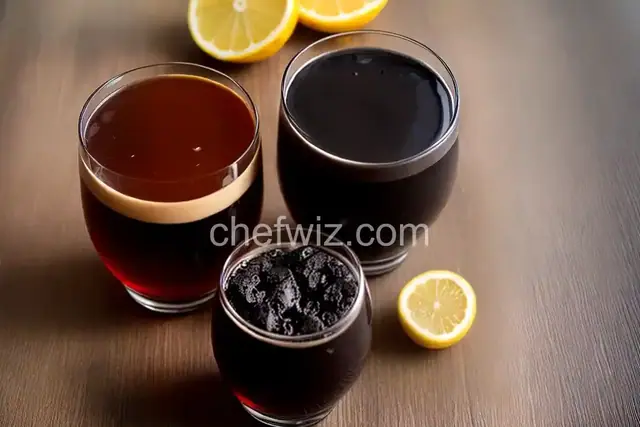
Black IPA is a beer that defies categorization. It's neither a stout nor an IPA, but a harmonious blend of the two. It pours dark, almost black, with a tan head that lingers. The aroma is a tantalizing mix of roasted malt, pine, and citrus. And when you take that first sip, you'll experience a flavor explosion. The roasted malt brings notes of coffee, chocolate, and caramel, while the hops add a refreshing bitterness and a touch of citrus.
What makes Black IPA truly special is the balance between the malt and hop flavors. Unlike some IPAs that can be overwhelmingly bitter, this style manages to achieve harmony. It's like a dance between darkness and light, with each element complementing the other.
If you're a homebrewer looking to tackle the challenge of Black IPA, you're in for a treat. Brewing this style requires careful attention to detail and a willingness to experiment. Here are some tips to get you started:
The key to a good Black IPA is selecting the right combination of malts. You'll need a mix of dark malts like chocolate malt, black malt, and roasted barley to achieve that rich, dark color. These malts also bring the roasty flavors that are characteristic of the style.
Hops play a crucial role in Black IPA, providing the signature bitterness and aroma. For this style, it's best to go with hops that have a citrusy or piney character. Amarillo, Cascade, and Centennial are popular choices among brewers.
As mentioned earlier, Black IPA is all about balance. You want the hops to shine, but not overpower the malt flavors. Achieving this balance may require some trial and error. Start with a moderate hop addition during the boil and adjust as needed in subsequent batches.
Choosing the right yeast is often overlooked but is crucial for a successful Black IPA. A clean, neutral yeast strain like American Ale yeast is a good choice. It allows the malt and hop flavors to take center stage without any interference.
Remember, brewing is an art. Don't be afraid to experiment with different hop combinations, malt profiles, or even adding adjuncts like coffee or cocoa nibs. The possibilities are endless, and the journey is half the fun.
Black IPA is a style that pushes boundaries and challenges our preconceived notions of what beer can be. It's a unique blend of darkness and hops that captivates the senses and leaves a lasting impression. Whether you're enjoying a commercially brewed Black IPA or brewing your own batch at home, this style is sure to delight and intrigue. So raise a glass to the magic of Black IPA, and let your taste buds embark on an unforgettable journey.
The name "Black IPA" is a bit of a paradox. How can a beer be black and pale at the same time? But that's part of its charm. The name reflects the contradiction and uniqueness of this style.
Like many beers, Black IPA can benefit from aging. The flavors mellow and meld together over time, creating a smoother and more complex drinking experience. However, it's best to drink it fresh to fully appreciate the hop aromas.
No, Black IPAs can vary greatly in terms of flavor, aroma, and bitterness. Brewers often put their own spin on the style, using different hop varieties, malt combinations, and even adjuncts. This leads to a wide range of Black IPAs, each with its own unique character.
Absolutely! The bold flavors of Black IPA make it a great companion for a variety of dishes. Its roasty character pairs well with grilled meats, burgers, and even chocolate desserts. Experiment with different pairings to find your perfect match.
While some breweries release Black IPAs as part of their seasonal offerings, this style can be enjoyed year-round. Its versatility makes it a favorite among beer enthusiasts who appreciate its unique combination of flavors.
Yes, Black IPAs are readily available in many craft beer stores and bottle shops. Look for offerings from local breweries or well-known craft beer brands. Alternatively, you can also explore online beer retailers to find a wide selection of Black IPAs.
Absolutely! Brewing is all about experimentation and personal preference. Feel free to substitute malts and hops to create a Black IPA that
AprilCook, recipe developer and the heart of Chefwiz. More about April