Black-Eyed Peas and Rice
Rate this recipeBe the first to rate
 By AprilPublished
 Are you looking for a hearty and healthy meal that is both delicious and easy to make?
 By AprilPublished
 Are you looking for a hearty and healthy meal that is both delicious and easy to make?
Place the black-eyed peas in a large container and cover them with several inches of cool water. Let them soak for 8 hours to overnight.
Drain and rinse the black-eyed peas.
In a pot, heat olive oil over medium heat. Add the ham and cook, stirring, until it is browned, which should take about 5 minutes.
Add the onion, green bell pepper, and garlic to the pot. Saute until the onion is tender, approximately 10 minutes.
Add the black-eyed peas, water, bay leaves, paprika, salt, and black pepper to the pot. Cover the pot with a lid and let the mixture simmer until the peas are tender, which should take around 40 to 50 minutes.
Remove the bay leaves from the black-eyed peas mixture and stir in the rice.
Simmer the mixture for an additional 5 to 10 minutes, or until all the liquid has evaporated.
Are you looking for a hearty and healthy meal that is both delicious and easy to make? Look no further than black-eyed peas and rice! This dynamic duo is a perfect combination of flavors and textures that will leave you craving for more. In this article, we will explore the many benefits of black-eyed peas and rice, and how you can incorporate this nutritious dish into your weekly meal plan.
Black-eyed peas are not only tasty but also packed with nutrients that are essential for your overall well-being. These legumes are an excellent source of plant-based protein, making them an ideal choice for vegetarians and vegans. Additionally, black-eyed peas are rich in fiber, which aids in digestion and helps maintain a healthy weight. They are also a good source of vitamins and minerals, including folate, iron, and potassium.
Furthermore, black-eyed peas are known for their high antioxidant content, which helps protect your cells from damage caused by harmful free radicals. These antioxidants have been linked to a reduced risk of chronic diseases, such as heart disease and certain types of cancer.
Rice is a staple food for many cultures around the world, and for good reason. Not only is it versatile and easy to prepare, but it also complements black-eyed peas perfectly. When combined, rice and black-eyed peas create a complete protein, meaning they provide all nine essential amino acids that your body needs for optimal functioning.
Rice is an excellent source of carbohydrates, which are the body's primary source of energy. It is also low in fat and cholesterol, making it a heart-healthy choice. Additionally, rice contains important vitamins and minerals, such as vitamin B, magnesium, and selenium.
Preparing black-eyed peas and rice is a breeze. Start by rinsing the black-eyed peas under cold water to remove any dirt or debris. Then, soak the peas in water overnight to soften them and reduce cooking time. The next day, drain the water and rinse the peas again.
In a large pot, combine the soaked black-eyed peas, rice, and enough water to cover the ingredients. Add your choice of seasonings, such as garlic, onion, and spices, to enhance the flavor. Bring the mixture to a boil, then reduce the heat and let it simmer until the peas and rice are tender.
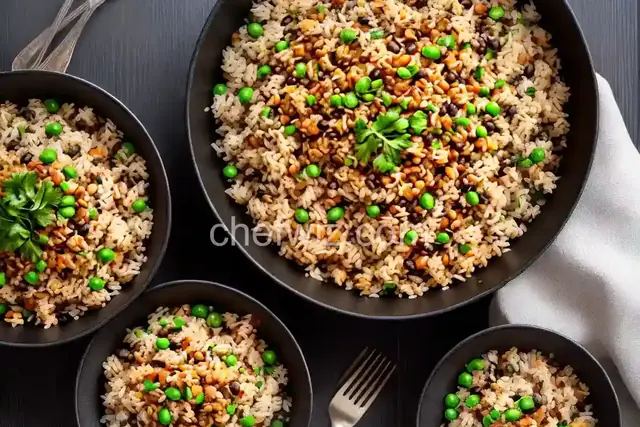
Once cooked, fluff the rice and peas with a fork and serve hot. You can enjoy this dish as a main course or as a side dish alongside grilled vegetables or a fresh salad. The possibilities are endless!
Black-eyed peas and rice make for a delicious and nutritious meal that is easy to prepare and suitable for various dietary preferences. This dynamic duo is not only packed with essential nutrients, but it also offers a satisfying combination of flavors and textures. Whether you're a vegetarian, vegan, or simply looking to incorporate more plant-based meals into your diet, black-eyed peas and rice are a must-try. So go ahead, grab a fork, and indulge in this delightful dish!
Yes, both black-eyed peas and rice are naturally gluten-free, making them suitable for individuals with gluten sensitivities or celiac disease.
Yes, you can use canned black-eyed peas if you're short on time. However, keep in mind that dried black-eyed peas have a firmer texture and may require a longer cooking time.
Absolutely! Black-eyed peas and rice can be frozen in an airtight container for up to three months. When ready to enjoy, simply thaw in the refrigerator and reheat.
Of course! Feel free to add your favorite vegetables, such as bell peppers, carrots, or tomatoes, to enhance the nutritional value and flavor of the dish.
Yes, black-eyed peas and rice are both vegan-friendly. They are a great option for those following a plant-based diet.
Absolutely! Brown rice is a healthier alternative to white rice as it contains more fiber and nutrients. However, keep in mind that brown rice may require a longer cooking time.
You can add herbs, spices, or even a splash of hot sauce to give your black-eyed peas and rice more flavor. Get creative and experiment with different seasonings!
Yes, black-eyed peas and rice are a nutritious and low-calorie option for those looking to lose weight. They are filling and packed with fiber, helping you stay satisfied for longer.
AprilCook, recipe developer and the heart of Chefwiz. More about April