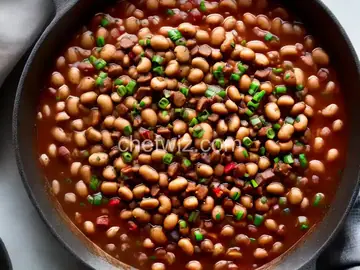
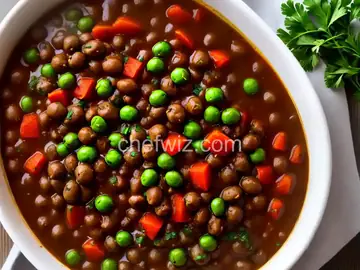
Black-eyed Peas and Ham Hocks
Rate this recipeBe the first to rate
 By AprilPublished
 When it comes to comfort food, few dishes can rival the satisfying flavors of black-eyed peas and ham hocks.
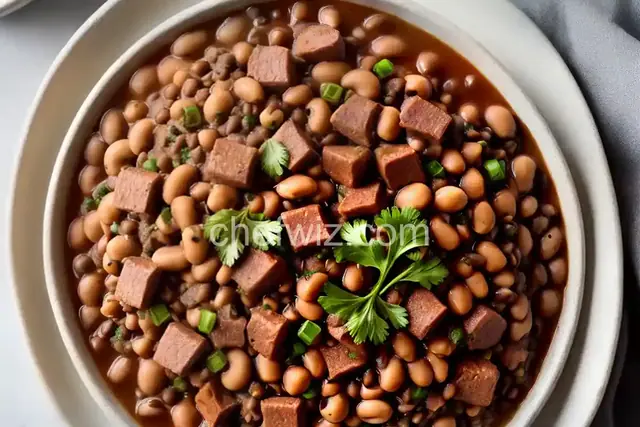 By AprilPublished
 When it comes to comfort food, few dishes can rival the satisfying flavors of black-eyed peas and ham hocks.
Begin by thoroughly rinsing the dried peas, making sure to remove any small pebbles or debris.
In a large stockpot, bring 3 cups of water to a boil. Add the black-eyed peas, ham hocks, salt, pepper, and bay leaf to the pot.
Reduce the heat to a simmer and cook the mixture, uncovered, for approximately 1 1/2 hours. Cook until the peas and ham hocks are tender.
If the ham hocks need additional cooking, simmer them in a separate pot of water until the meat easily comes off the bone.
Once the ham hocks have cooled, remove all of the meat from the bone. Stir the ham into the cooked peas.
Taste the dish and adjust the seasoning with salt and pepper as needed.
Serve the dish and enjoy.
When it comes to comfort food, few dishes can rival the satisfying flavors of black-eyed peas and ham hocks. This classic Southern dish is a staple in many households, cherished for its rich and hearty taste. But what makes this combination so special? Let's dive into the world of black-eyed peas and ham hocks and explore the magic that happens when these two ingredients come together.
Black-eyed peas, also known as cowpeas, are small, creamy legumes that are packed with nutrients. They are a great source of protein, fiber, and vitamins, making them not only delicious but also a healthy addition to any meal. On their own, black-eyed peas have a slightly earthy flavor, but when paired with the smoky and savory taste of ham hocks, they truly shine.
Ham hocks, or pork knuckles, are a cut of meat that comes from the lower part of a pig's leg. They are known for their rich, fatty, and flavorful meat, which adds depth and complexity to any dish. When cooked low and slow, ham hocks release their natural juices and infuse the black-eyed peas with their irresistible taste.
To prepare black-eyed peas and ham hocks, you'll need to soak the peas overnight to ensure they cook evenly and become tender. This step also helps remove any impurities and enhances their texture. Once soaked, you can start cooking the ham hocks, allowing their flavors to meld with the peas as they simmer away.
As the dish cooks, the ham hocks release their smoky essence, permeating the black-eyed peas and creating a mouthwatering aroma. The combination of tender peas and succulent ham hocks creates a harmonious blend of flavors that is both comforting and satisfying.
While black-eyed peas and ham hocks are often enjoyed on their own, they also make a fantastic addition to other dishes. You can use the flavorful broth created by cooking the peas and ham hocks as a base for soups, stews, or even as a cooking liquid for rice. The meat from the ham hocks can also be shredded and added back into the dish for an extra burst of flavor.
Furthermore, black-eyed peas and ham hocks can be customized to suit your taste preferences. You can add spices like cumin, paprika, or chili powder to give the dish a kick, or incorporate vegetables like onions, carrots, or bell peppers for added freshness and color. The possibilities are endless, allowing you to create a dish that is uniquely yours.
Black-eyed peas and ham hocks have a long history in Southern cuisine, particularly as a traditional New Year's Day dish. It is believed that eating black-eyed peas on the first day of the year brings good luck and prosperity for the year ahead. The ham hocks, with their association to abundance and sustenance, further enhance this symbolism.
But you don't have to wait for New Year's Day to enjoy this scrumptious meal. Black-eyed peas and ham hocks can be savored year-round, bringing comfort and warmth to any occasion.
Black-eyed peas and ham hocks create a timeless combination that brings comfort and soul to any table. The earthy taste of black-eyed peas, combined with the smoky and savory flavors of ham hocks, is a match made in culinary heaven. Whether enjoyed as a standalone dish or incorporated into other recipes, this soulful pairing never fails to satisfy. So, why not embrace the tradition and savor the goodness of black-eyed peas and ham hocks today?
No, black-eyed peas and cowpeas are not exactly the same, but they are closely related. Black-eyed peas are a specific type of cowpea that have a characteristic black spot on their white skin.
While ham hocks are traditionally used in this dish, you can experiment with other cuts of pork, such as smoked ham or bacon, to achieve a similar smoky flavor.
It's best to soak the black-eyed peas overnight, or for at least 8 hours, to ensure they cook evenly and become tender.
Absolutely! You can omit the ham hocks and use vegetable broth or smoked tofu to add a smoky flavor to the black-eyed peas.
Allow the dish to cool completely before transferring it to an airtight container. Store it in the refrigerator for up to 3-4 days. Reheat thoroughly before serving.
Yes, you can freeze the cooked black-eyed peas and ham hocks. Allow them to cool, then transfer to freezer-safe containers or bags. They can be stored in the freezer for up to 3 months.
While using dried black-eyed peas is recommended for the best texture and flavor, you can substitute canned black-eyed peas if you're short on time. Just be sure to rinse and drain them before using.
Popular side dishes to accompany black-eyed peas and ham hocks include cornbread, collard greens, rice, and coleslaw. These dishes complement the flavors and textures of the main dish perfectly.
AprilCook, recipe developer and the heart of Chefwiz. More about April