Bistek (Filipino Beef Steak)
Rate this recipeBe the first to rate
 By AprilPublished
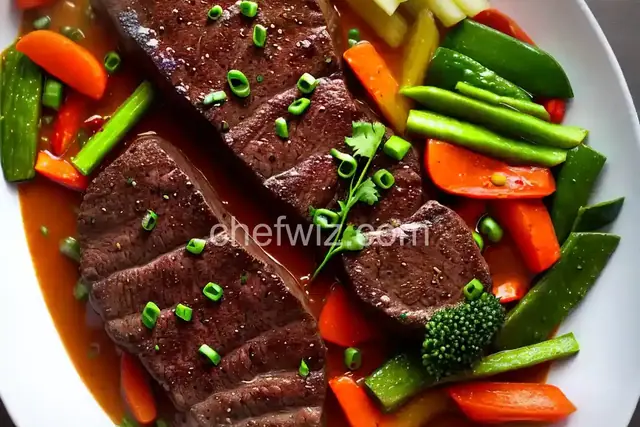
 Have you ever tried the delicious and savory Filipino beef steak known as Bistek?
 By AprilPublished
 Have you ever tried the delicious and savory Filipino beef steak known as Bistek?
In a bowl, combine soy sauce, lime juice, garlic, sugar, fish sauce, and pepper. Taste and adjust the flavors to your liking.
Add sliced beef to the bowl and ensure it is evenly coated with the marinade. Let it marinate for at least 30 minutes or up to 1 hour.
Heat 1 tablespoon of oil in a wok or pan over medium-high heat. Fry the potatoes in the hot oil until the edges turn golden brown, which should take around 7 to 10 minutes. Transfer the fried potatoes to a plate.
Heat the remaining oil in the same pan over medium-high heat. Fry the onions until the edges turn brown, approximately 7 to 10 minutes. Transfer the fried onions to the same plate.
Using the same pan, heat it over medium-high heat. Reserve the marinade and fry the marinated beef in batches. Add more vegetable oil if needed. Cook the beef until it is browned and no longer pink in the center, which should take around 5 to 7 minutes. Transfer the cooked beef to the plate and repeat the process with the remaining beef.
Pour the reserved marinade into the pan along with some water to deglaze. Use a wooden spoon to scrape up any browned bits from the bottom of the pan. Taste the sauce and adjust the seasonings as necessary.
Return the cooked beef back to the pan along with some of
Have you ever tried the delicious and savory Filipino beef steak known as Bistek? If not, you're in for a treat! Bistek is a popular dish in the Philippines that combines tender beef, tangy citrus flavors, and rich soy sauce. In this article, we'll dive into the history of Bistek, explore its unique flavors, and share some tips for making this mouthwatering dish at home. So, let's get started!
Bistek is a dish that has its roots in Spanish cuisine, but it has been adapted over the years to suit Filipino tastes. The name "Bistek" is actually a shortened version of the Spanish word "Bistec," which means steak. The dish was influenced by the Spanish colonizers who introduced beef to the Philippines. However, the Filipino version of Bistek is distinct and has its own unique flavors that set it apart.
What makes Bistek so special is its perfect balance of flavors. The tender beef is marinated in a mixture of soy sauce, calamansi juice (a citrus fruit native to the Philippines), and other seasonings. This marinade adds a tangy and slightly sweet taste to the meat. When cooked, the beef releases its juices, creating a rich and flavorful sauce that pairs perfectly with steamed rice.
Creating a delicious Bistek dish at home is easier than you might think. Start by marinating thinly sliced beef in a mixture of soy sauce, calamansi juice, and minced garlic. Let the beef soak up the flavors for at least an hour, or overnight for even more intense flavors. When you're ready to cook, heat a pan with oil and sauté the marinated beef until it's browned and cooked to your desired level of doneness. Finally, pour in the marinade and let it simmer until the sauce thickens. Serve the Bistek over steamed rice and enjoy!
Here are some tips to help you achieve the perfect Bistek:
Bistek is a beloved Filipino dish that combines the influence of Spanish cuisine with unique Filipino flavors. Its tangy and savory taste makes it a favorite among locals and foreigners alike. By following these tips and techniques, you can recreate the delicious flavors of Bistek in your own kitchen. So why not give it a try and savor the taste of this Filipino classic?
While beef is the traditional choice for Bistek, you can experiment with other proteins such as chicken or pork to create your own twist on this classic dish.
Bistek is not typically spicy, but you can add some heat by incorporating chili peppers or chili flakes into the marinade if desired.
Yes, Bistek can be made in advance and stored in the refrigerator for a few days. Just reheat it gently on the stovetop before serving.
Bistek is traditionally served with steamed rice, but you can also enjoy it with mashed potatoes, roasted vegetables, or a side salad.
Yes, you can freeze Bistek for up to three months. Just make sure to store it in an airtight container or freezer bag.
Bottled calamansi juice can be used as a substitute if fresh calamansi is not available. Just check the label for any additional ingredients or preservatives.
It's best to marinate the beef for at least an hour to allow the flavors to develop. For more intense flavors, marinate it overnight in the refrigerator.
Yes, you can use a combination of lemon and lime juice as a substitute for calamansi. The flavor will be slightly different, but still delicious.
AprilCook, recipe developer and the heart of Chefwiz. More about April