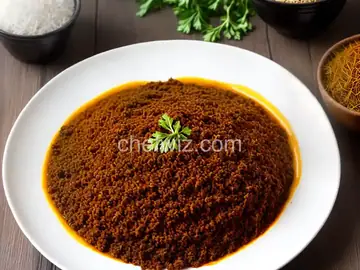
Bissara
Rate this recipeBe the first to rate
 By AprilPublished
 Have you ever tasted the rich flavors of Moroccan cuisine? If you're a fan of hearty legume-based dishes, then you're in for a treat.
 By AprilPublished
 Have you ever tasted the rich flavors of Moroccan cuisine? If you're a fan of hearty legume-based dishes, then you're in for a treat.
Heat vegetable oil in a large pot over low heat. Add garlic and fry until it becomes lightly browned.
Pour water and olive oil into the pot.
Stir in split peas, parsley, chili pepper, paprika, cumin, salt, and pepper.
Bring the mixture to a boil.
Reduce the heat to low and let it simmer for approximately 55 minutes.
Stir occasionally to prevent the peas from sticking to the bottom of the pot.
Once the peas are tender, use a wooden spoon to mash them until smooth.
If desired, add additional water to achieve the desired consistency.
Have you ever tasted the rich flavors of Moroccan cuisine? If you're a fan of hearty legume-based dishes, then you're in for a treat. In this article, we'll explore the wonders of Bissara, a traditional Moroccan dish that will transport your taste buds to the vibrant streets of Marrakech.
Bissara is a thick and creamy soup made from dried fava beans. It is a staple dish in Moroccan cuisine, especially during the winter months when the weather calls for warm and comforting meals. The soup is packed with flavor and is often enjoyed as a main course, accompanied by crusty bread.
To prepare Bissara, you'll need a handful of simple ingredients that are readily available. The star of the dish is the dried fava beans, which are soaked overnight to soften them before cooking. Other key ingredients include garlic, olive oil, cumin, and a touch of lemon juice for a refreshing twist.
Once the fava beans are soaked, they are cooked until tender and then blended to create a smooth and velvety texture. The garlic is sautéed in olive oil until fragrant, and then the cooked beans are added, along with a sprinkle of cumin. Everything is simmered together, allowing the flavors to meld beautifully. A squeeze of lemon juice adds a tangy brightness to the soup.
Bissara is traditionally served hot, garnished with a drizzle of olive oil and a sprinkle of cumin. It is often enjoyed with a side of crusty bread, perfect for dipping into the creamy soup. You can also add a dollop of yogurt or a sprinkle of fresh herbs, such as parsley or cilantro, to enhance the flavors even further.
Bissara is not only delicious but also packed with nutritional benefits. Fava beans are an excellent source of plant-based protein, fiber, and essential vitamins and minerals. This hearty soup will keep you feeling satisfied and nourished, making it a perfect option for vegetarians and vegans.
In conclusion, Bissara is a delightful Moroccan dish that will take your taste buds on a flavorful journey. Its creamy texture, earthy flavors, and nutritional benefits make it a must-try. So why not bring a taste of Morocco into your kitchen and savor the magic of Bissara?
While dried fava beans are traditionally used in Bissara, you can substitute them with canned fava beans if you're short on time. Just remember to rinse them well before using.
Yes, Bissara is a vegan-friendly dish as it does not contain any animal products. It is a great option for those following a plant-based diet.
While the traditional recipe calls for only fava beans, you can certainly add other vegetables to customize the soup according to your preference. Spinach, kale, or carrots would make great additions.
Bissara can be stored in an airtight container in the refrigerator for up to 3-4 days. Just make sure to reheat it thoroughly before serving.
Yes, Bissara can be frozen for up to 3 months. Divide it into portions and store them in freezer-safe containers for easy reheating.
While fava beans are traditionally used in Bissara, you can experiment with other types of beans, such as chickpeas or kidney beans, to create your own twist on the dish.
Bissara is not typically spicy, but you can add a pinch of cayenne pepper or a sprinkle of chili flakes if you prefer some heat in your soup.
Absolutely! Bissara can be served as a starter or a main course, depending on your preference. It is a filling and satisfying dish that will warm you up from the inside out.
AprilCook, recipe developer and the heart of Chefwiz. More about April