Bird of Paradise
Rate this recipeBe the first to rate
 By AprilPublished
 Imagine walking through a lush tropical garden, surrounded by an array of vibrant colors and exotic scents.
 By AprilPublished
 Imagine walking through a lush tropical garden, surrounded by an array of vibrant colors and exotic scents.
Mix together sugar and ¼ cup of water in a jar. Cover the jar and shake until the sugar is completely dissolved.
In a cocktail shaker filled with ice, combine Aperol, rum, pineapple juice, lime juice, and ¼ oz. of syrup.
Cover the shaker and vigorously shake for 30 seconds.
Strain the mixture into a glass that is filled to the top with crushed ice.
Optionally, garnish the drink with a pineapple leaf.
Imagine walking through a lush tropical garden, surrounded by an array of vibrant colors and exotic scents. Among the many flowers that catch your eye, one stands out with its striking beauty and unique form. This is the Bird of Paradise, a majestic flower that captivates hearts with its elegance and grace.
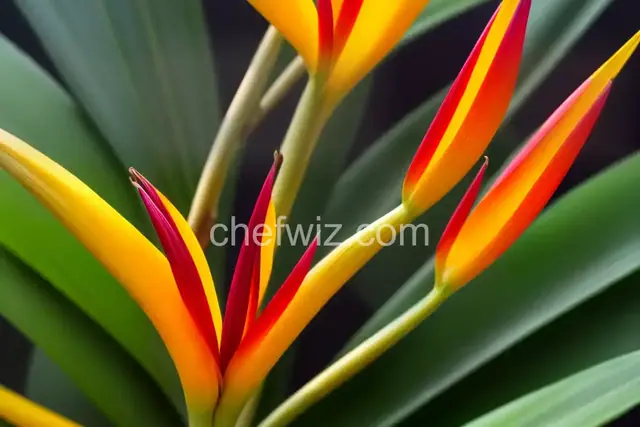
Just like its name suggests, the Bird of Paradise flower resembles a tropical bird in flight. Its vibrant orange and blue petals, arranged in a fan-like shape, bear a striking resemblance to the plumage of a bird. This resemblance has earned the flower its symbolic significance of freedom, joy, and paradise.
When you lay eyes on a Bird of Paradise, you can't help but feel a sense of awe and wonder. Its extraordinary beauty serves as a reminder of the wonders of nature and the importance of appreciating the small joys in life. The flower's vibrant colors and intricate details are a testament to the creativity and diversity found in our world.
The Bird of Paradise is native to South Africa, where it thrives in the warm and humid climate. It is a member of the Strelitziaceae family, which includes five different species. Each species has its own unique features, but they all share the same mesmerizing beauty that has captured the hearts of flower enthusiasts worldwide.
One of the most fascinating aspects of the Bird of Paradise is its pollination process. Unlike many other flowers, which rely on bees or butterflies for pollination, the Bird of Paradise has evolved a unique strategy. It attracts sunbirds, which are small birds with long, curved beaks perfectly adapted to reach the nectar deep within the flower. As the bird feeds on the nectar, it inadvertently transfers pollen from one flower to another, ensuring the plant's reproduction.
If you're lucky enough to have a Bird of Paradise in your garden or as a houseplant, proper care is essential to ensure its health and longevity. These tropical flowers thrive in well-draining soil and require plenty of sunlight to grow and bloom. Regular watering is necessary, but be careful not to overwater, as it can cause root rot.
Trimming dead leaves and spent flowers is also crucial to keep your Bird of Paradise looking its best. Pruning helps redirect the plant's energy towards new growth, ensuring a steady supply of fresh, vibrant blooms. With proper care, your Bird of Paradise can thrive for many years, bringing joy and beauty to your surroundings.
The Bird of Paradise is a flower that truly lives up to its name. Its majestic beauty, symbolic significance, and tropical marvel make it a captivating addition to any garden or indoor space. By understanding its care requirements and appreciating its unique features, you can enjoy the wonders of this extraordinary flower in all its glory. So, let the Bird of Paradise spread its wings and bring a touch of paradise into your life.
The time it takes for a Bird of Paradise to bloom can vary depending on its age and growing conditions. On average, it can take about two to five years for a plant to reach maturity and produce its first blooms.
Yes, you can grow a Bird of Paradise indoors. However, it requires bright, indirect sunlight and a spacious area to accommodate its large, fan-like leaves. Regular watering and occasional misting will help create a humid environment that mimics its natural habitat.
Yes, the Bird of Paradise is toxic to cats and dogs if ingested. It contains compounds that can cause gastrointestinal upset and irritation. It's best to keep the plant out of reach of curious pets to ensure their safety.
Yes, you can propagate your Bird of Paradise through division or by collecting and planting its seeds. Division involves separating the plant's rhizomes and replanting them in separate pots. Seeds can be collected from mature flowers and sown in a well-draining soil mix.
Depending on the species, a Bird of Paradise can reach heights of up to six feet or more. Its large, fan-like leaves and tall flower stalks make it an impressive addition to any garden or indoor space.
No, Bird of Paradise flowers do not have a strong fragrance. They rely on their vibrant colors and unique form to attract pollinators, rather than scent.
Yes, you can cut Bird of Paradise flowers for floral arrangements. However, keep in mind that the flowers have a relatively short vase life, usually lasting only a few days. To maximize their longevity, cut the flowers when they are partially open and place them in a clean vase with fresh water.
The cost of Bird of Paradise flowers can vary depending on factors such as availability, seasonality, and location. Generally, they are considered a premium flower and may be more expensive compared to common floral varieties. However, their striking beauty and uniqueness make them well worth the investment for special occasions or as a luxurious gift.
AprilCook, recipe developer and the heart of Chefwiz. More about April