Biltong
Rate this recipeBe the first to rate
 By AprilPublished
 Have you ever tried biltong? If not, you're missing out on one of South Africa's most beloved snacks.
 By AprilPublished
 Have you ever tried biltong? If not, you're missing out on one of South Africa's most beloved snacks.
Cut the meat into strips measuring approximately 2 cm x 3 cm (3/4-inch x 1 1/4-inches).
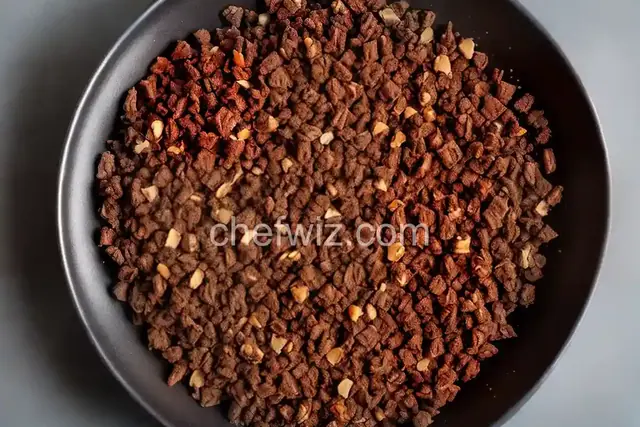
In a dry frying pan, roast the coriander seeds until their flavor is enhanced.
Lightly crush the roasted coriander seeds using a pestle and mortar.
Combine the crushed coriander seeds with salt and pepper.
Sprinkle a small amount of the coriander seed mixture into a glass dish.
Layer the meat strips on top of the coriander seed mixture and season with the mixture again.
Repeat the process of layering meat strips and seasoning until all the meat and seasoning have been used.
Refrigerate the dish for one day, ensuring to mix the contents every couple of hours to evenly distribute the flavors.
Find a suitable spot to hang the meat for drying, such as high in the garage rafters or behind the fridge where there is some air movement.
Use straightened paper clips as convenient fasteners to hang the meat.
The drying process typically takes around 5 days, but the duration may vary depending on the weather conditions and your preference for the desired texture (crisp or slightly moist).
Have you ever tried biltong? If not, you're missing out on one of South Africa's most beloved snacks. This traditional cured meat is not only delicious but also packed with flavor. In this article, we'll explore the origins of biltong, its preparation process, and why it has gained popularity worldwide.
Biltong has a rich history that dates back to the early days of South Africa. It was originally created as a way to preserve meat by the indigenous people of the region. The word "biltong" itself comes from the Dutch words "bil" (meaning buttock) and "tong" (meaning strip), referring to the way the meat is cut and prepared.
So, how exactly is biltong made? The process begins with selecting the perfect cut of meat, usually beef or game meat. The meat is then seasoned with a mixture of salt, pepper, coriander, and other spices, depending on personal preference. After marinating for a few hours, the meat is hung in a well-ventilated area to dry. This drying process can take anywhere from a few days to a few weeks, depending on the desired texture and flavor.
What sets biltong apart from other cured meats is its unique flavor profile. The combination of spices and the slow drying process results in a tender, flavorful meat that is slightly tangy and savory. It has a satisfying chewiness that makes it a perfect snack for any time of the day.
While biltong is deeply rooted in South African culture, it has gained popularity around the world in recent years. Its natural and preservative-free qualities make it an attractive alternative to processed snacks. Moreover, its high protein content and low fat make it a favorite among fitness enthusiasts.
Biltong can be enjoyed in various ways. Some people prefer to eat it as is, while others like to incorporate it into their favorite recipes. From salads to sandwiches, biltong adds a unique twist to any dish. It can also be paired with cheese and wine for a delightful tasting experience.
In conclusion, biltong is more than just a snack; it is a cultural icon and a symbol of South African cuisine. Its rich history, unique flavor, and versatility have contributed to its popularity both locally and internationally. If you haven't tried biltong yet, it's time to indulge in this delicious delicacy!
While biltong and beef jerky are both dried meats, they have distinct differences in flavor and texture. Biltong is typically thicker, less dry, and has a richer flavor compared to beef jerky.
Yes, biltong can be made with various types of meat, including beef, game meat, and even poultry. Each type of meat will bring its own unique flavor to the biltong.
When stored properly in a cool, dry place, biltong can last for several weeks or even months. However, it is so delicious that it rarely lasts that long!
Biltong is a healthy snack option as it is packed with protein and low in fat. However, it is important to consume it in moderation due to its high sodium content.
Yes, biltong can be shipped internationally. Many online retailers offer worldwide shipping, allowing biltong lovers from all around the globe to enjoy this South African delicacy.
Yes, biltong is naturally gluten-free, making it suitable for individuals with gluten intolerance or celiac disease.
Absolutely! Making biltong at home can be a fun and rewarding experience. There are plenty of recipes and tutorials available online to guide you through the process.
Biltong can be found in many specialty food stores, South African markets, and online retailers. It's always worth checking your local area for any stores that may stock this delicious treat.
AprilCook, recipe developer and the heart of Chefwiz. More about April