Introduction
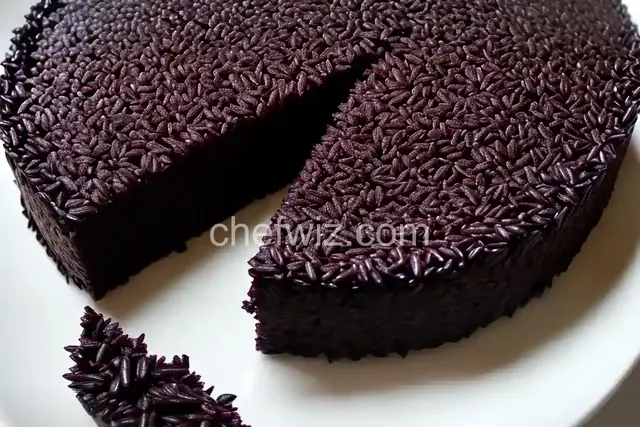
In the heart of the Philippines, there is a delightful treat that tantalizes the taste buds - Biko na Pirurutong, also known as Philippine Black Rice Cake. This traditional dessert is a delightful blend of flavors and textures that will transport you to the vibrant streets and warm hospitality of the Philippines.
The Origins of Biko na Pirurutong
Just like the diverse culture of the Philippines, Biko na Pirurutong is a beautiful fusion of culinary influences. It takes its name from two key ingredients - Biko, a sticky rice cake, and Pirurutong, a unique variety of black glutinous rice. These two ingredients come together to create a dessert that is both visually stunning and incredibly delicious.
The Making of Biko na Pirurutong
Creating Biko na Pirurutong is a labor of love. The process starts by soaking the black glutinous rice overnight, allowing it to soften and release its earthy flavors. The rice is then cooked until tender, and a luscious mixture of coconut milk, brown sugar, and pandan leaves is added. This combination infuses the rice with a rich, caramel-like sweetness and a hint of pandan's fragrant aroma.
Why Pandan Leaves?
Imagine walking through a lush tropical garden, where the air is filled with the tantalizing scent of pandan leaves. These vibrant green leaves add a unique flavor and aroma to Biko na Pirurutong, elevating it to a whole new level of deliciousness. Just like the leaves, Biko na Pirurutong is a taste of nature's bounty.
The Joy of Eating Biko na Pirurutong
As you take your first bite of Biko na Pirurutong, you'll be greeted with a delightful combination of sticky rice, coconut milk, and the subtle sweetness of brown sugar. The tender grains of black glutinous rice add a pleasant chewiness, while the pandan leaves infuse each mouthful with a tropical twist.
Is Biko na Pirurutong Gluten-Free?
Yes, Biko na Pirurutong is gluten-free! The rice used in this dessert is naturally gluten-free, making it a safe and delicious option for those with gluten sensitivities or celiac disease. You can enjoy this delightful treat without any worries.
Conclusion
Biko na Pirurutong is not just a dessert; it's a journey through the flavors and traditions of the Philippines. It's a celebration of the country's rich culinary heritage and a reminder of the joy that comes from sharing food with loved ones. So, the next time you're craving something sweet and exotic, why not indulge in a slice of Biko na Pirurutong?
Frequently asked questions
- . Can I use regular white rice instead of black glutinous rice?
While the unique flavor and texture of black glutinous rice are what make Biko na Pirurutong special, you can substitute it with regular white glutinous rice if needed. However, keep in mind that the taste and appearance of the dessert may differ.
- . How long does it take to cook Biko na Pirurutong?
The cooking time can vary depending on the type of rice and your desired consistency. On average, it takes around 1 to 1.5 hours to cook Biko na Pirurutong. The key is to cook the rice until it is tender and has absorbed the flavors of the coconut milk and brown sugar.
- . Can I freeze Biko na Pirurutong?
Yes, Biko na Pirurutong can be frozen for later enjoyment. Make sure to store it in an airtight container to prevent freezer burn. When ready to eat, thaw it in the refrigerator overnight and reheat gently in the microwave or on the stovetop.
- . Can I add toppings to Biko na Pirurutong?
Absolutely! Biko na Pirurutong is delicious on its own, but you can add toppings to enhance the flavors. Popular choices include toasted coconut flakes, sesame seeds, and even a drizzle of coconut caramel sauce.
- . Is Biko na Pirurutong served hot or cold?
Biko na Pirurutong can be enjoyed both hot and cold. Some people prefer it warm, straight from the stovetop, while others enjoy it chilled from the refrigerator. Try it both ways and see which one you prefer!
- . Can I make Biko na Pirurutong vegan?
Yes, you can make a vegan version of Biko na Pirurutong by substituting the traditional ingredients with plant-based alternatives. Use coconut oil instead of butter and a non-dairy milk, such as coconut milk or almond milk, instead of regular milk. Be sure to check the labels of your ingredients to ensure they are vegan-friendly.
- . Are there any variations of Biko na Pirurutong?
Yes, there are variations of Biko na Pirurutong across different regions of the Philippines. Some versions include additional ingredients like jackfruit, langka, or even purple yam, ube. These variations add unique flavors and colors to the dessert.
- . Can I make Biko na Pirurutong in advance?
Yes, Biko na Pirurutong can be made in advance. It actually tastes even better the next day as the flavors have had time to meld together. Just make sure to store it in the refrigerator in an airtight container to keep it fresh.
 By AprilPublished