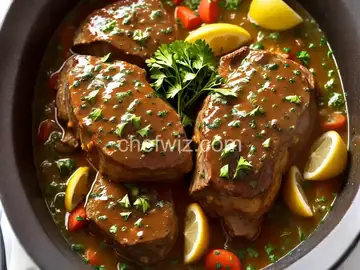
Bigos (Polish Hunter's Stew)
Rate this recipeBe the first to rate
 By AprilPublished
 Have you ever tasted a dish that is so rich in flavor and history that it transports you to another time and place?
 By AprilPublished
 Have you ever tasted a dish that is so rich in flavor and history that it transports you to another time and place?
Start by draining the sauerkraut and placing it in a medium saucepan. Add 2 cups (480 ml) of water and bacon pieces.
Cover the saucepan and boil the mixture over medium heat for about 20 minutes or until the sauerkraut is very tender and the bacon is cooked.
In a separate large saucepan, put the fresh cabbage and dried mushrooms. Cover them with water and bring to a boil. Continue boiling for 20 to 30 minutes or until the cabbage is tender. Drain and set aside.
Rinse all the meat and pat it dry. Coat the meat by tossing it in flour from a shallow bowl.
Heat 1 tbsp of vegetable oil in a stew pot over medium heat. Make sure the pot is large enough to hold all the meat and vegetables. Cook the onion until softened, then remove it from the pot and set it aside.
Add the remaining 2 tbsp of oil to the pot and lightly brown the meat in batches over medium heat. Each side of the meat should be browned for 2 to 3 minutes. Transfer the meat to a plate when it's done.
Once all the meat has been browned, increase the heat to high and pour in the wine. Boil briefly while scraping up the browned bits on the bottom of the pot with a wooden spoon.
Return the meat and its resting juices to the pot. Add
Have you ever tasted a dish that is so rich in flavor and history that it transports you to another time and place? Bigos, also known as Polish Hunter's Stew, is one such dish. This hearty and comforting stew has been a staple in Polish cuisine for centuries, and it continues to be loved by both locals and visitors alike. But what makes Bigos so special? Let's dive into the world of this traditional Polish dish and discover its secrets.
Just like a time capsule, Bigos encapsulates the history and culinary traditions of Poland. The dish dates back to the medieval times when hunting was a popular activity among the Polish nobility. It was during these hunts that the idea for Bigos was born. Hunters would bring back a variety of game meats, which were then combined with sauerkraut, cabbage, and an array of aromatic spices to create a delicious and hearty stew.
Over the years, Bigos evolved to incorporate different ingredients based on what was available. It became a way for families to use up leftover meats and vegetables, resulting in a dish that is both flexible and adaptable. Today, Bigos is considered a symbol of Polish hospitality and is often served during special occasions and family gatherings.
Imagine a symphony of flavors dancing on your taste buds. That's what Bigos offers. The combination of sauerkraut, cabbage, and various meats creates a complex and savory taste that is hard to resist. The sauerkraut provides a tangy and slightly sour note, while the cabbage adds a touch of sweetness. The addition of meats, such as pork, beef, and sausage, brings richness and depth to the stew.
But what truly sets Bigos apart is the infusion of spices and seasonings. From bay leaves and juniper berries to marjoram and allspice, each ingredient adds its own unique flair to the stew. The result is a harmonious blend of flavors that will leave you craving for more.
Creating a pot of Bigos is like crafting a masterpiece. It requires time, patience, and a dash of creativity. The stew is typically cooked slowly over low heat, allowing the flavors to meld together and develop into something truly extraordinary. As the stew simmers, the aromas fill the air, creating an anticipation that is hard to resist.
One of the keys to a delicious Bigos is the quality of the sauerkraut. Traditional Polish sauerkraut, known as kapusta kiszona, is made by fermenting cabbage with salt. This natural fermentation process gives the sauerkraut its distinct flavor and texture. It's worth seeking out authentic Polish sauerkraut for an authentic Bigos experience.
Bigos is a dish that is meant to be enjoyed slowly, savoring each bite and letting the flavors unfold. It is often served with crusty bread or boiled potatoes, which help to soak up the delicious juices. Pair it with a glass of Polish beer or a robust red wine, and you have a meal fit for a king.
Whether you're a fan of Polish cuisine or simply looking to try something new, Bigos is a dish that will not disappoint. Its rich history, complex flavors, and warm heartiness make it a true culinary gem. So why not step into the world of Bigos and let it take you on a journey through time and taste?
The beauty of Bigos is its versatility. You can use a combination of different meats, such as pork, beef, and sausage, to create a rich and flavorful stew.
Yes, you can! Simply omit the meat and add more vegetables, such as mushrooms and carrots, for a delicious vegetarian version of Bigos.
Absolutely! Bigos freezes well and can be enjoyed later. Just make sure to cool it completely before transferring it to a freezer-safe container.
Bigos is a dish that benefits from long, slow cooking. It is recommended to simmer it for at least 2-3 hours to allow the flavors to develop fully.
Definitely! Feel free to experiment with different spices and seasonings to suit your taste preferences. Just remember to taste and adjust as you go.
Bigos is not typically spicy, but you can add a touch of heat by including some chopped chili peppers or a sprinkle of paprika.
Yes, you can adapt the recipe for a slow cooker. Simply follow the instructions for preparing the ingredients and then transfer everything to the slow cooker. Cook on low heat for 8-10 hours or on high heat for 4-6 hours.
Yes, there are regional variations of Bigos in Poland. Some include the addition of prunes, apples, or even beer. These variations add a unique twist to the traditional recipe.
In conclusion, Bigos is more than just a stew. It is a culinary journey through time and taste, offering a glimpse into the rich history and flavors of Polish cuisine. Whether you're preparing it for a special occasion or simply craving a comforting meal, Bigos is sure to satisfy your senses and leave you wanting more. So gather your ingredients, embrace the slow cooking process, and let the magic of Bigos unfold in your kitchen.
AprilCook, recipe developer and the heart of Chefwiz. More about April