Bigos (Hunter's Stew)
Rate this recipeBe the first to rate
 By AprilPublished
 Have you ever tasted a dish that takes you on a journey through time and tradition?
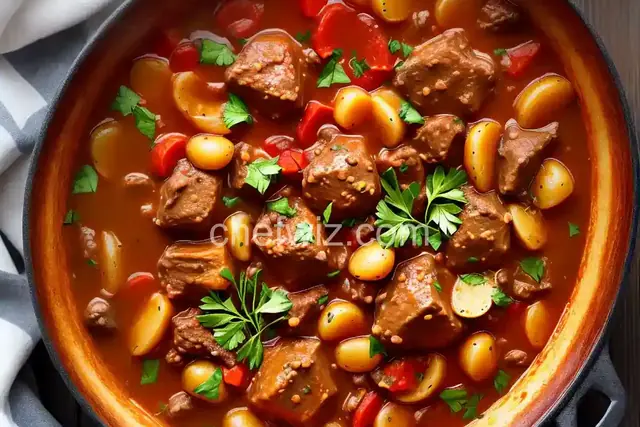 By AprilPublished
 Have you ever tasted a dish that takes you on a journey through time and tradition?
Preheat the oven to 350 degrees F (175 degrees C).
Heat a large pot over medium heat. Cook and stir the kielbasa and bacon until the bacon fat has rendered and the sausage is lightly browned. Use a slotted spoon to remove the meat and transfer it to a large casserole or Dutch oven.
Lightly coat cubes of pork with flour and fry them in the bacon drippings over medium-high heat until golden brown. Use a slotted spoon to transfer the pork to the casserole.
Add cabbage, carrots, onion, fresh mushrooms, and garlic to the pot. Also, add sauerkraut. Reduce the heat to medium and cook and stir until the carrots are soft, about 10 minutes. Make sure not to let the vegetables brown.
Deglaze the pot by pouring in red wine and stirring to loosen all the bits of food and flour stuck to the bottom. Season with bay leaf, paprika, basil, marjoram, salt, pepper, caraway seed, and cayenne. Cook for 1 minute.
Mix in beef stock, tomatoes, dried mushrooms, tomato paste, hot pepper sauce, and Worcestershire sauce. Heat through until just boiling. Pour the vegetables and all the liquid into the casserole dish with the meat. Cover with a lid.
Bake in the preheated oven for 2 1/2
Have you ever tasted a dish that takes you on a journey through time and tradition? A dish that tells a story of resilience, culture, and the joys of gathering around a table with loved ones? If not, then you must try Bigos, also known as Hunter's Stew. This hearty and flavorful Polish dish is a celebration of flavors and a testament to the art of slow cooking. Let's dive into the world of Bigos and discover what makes it so special.
Bigos has a rich history that can be traced back to the 14th century in Poland. It was initially created as a way to utilize leftover ingredients, making it a thrifty and resourceful dish. Over time, Bigos evolved and became a beloved staple in Polish cuisine, often prepared for festive occasions and family gatherings.
Just like any good stew, Bigos is a medley of ingredients that come together to create a symphony of flavors. The key components include sauerkraut, fresh cabbage, various cuts of meat, mushrooms, and an array of spices and seasonings. Each ingredient adds its own unique element to the stew, resulting in a complex and satisfying taste.
Traditionally, Bigos includes a combination of different meats, such as pork, beef, and sausage. These meats are typically browned before being added to the stew, enhancing their flavor and creating a delicious depth in every bite.
Sauerkraut is a crucial ingredient in Bigos, providing a tangy and slightly sour taste. It is made by fermenting cabbage, which not only adds a unique flavor but also aids in digestion. The sauerkraut gives Bigos its distinct character and contributes to its overall complexity.
Another essential component of Bigos is mushrooms. Often, dried wild mushrooms are used, which impart an earthy and umami flavor to the stew. These mushrooms add a delightful richness and complement the other ingredients perfectly.
Bigos is a dish that requires time, patience, and attention to detail. It is a labor of love that cannot be rushed. The stew is cooked slowly over low heat, allowing the flavors to meld together and develop into something truly extraordinary. The longer it simmers, the more the flavors intensify, resulting in a stew that is deep, complex, and incredibly satisfying.
Bigos is best enjoyed with a side of crusty bread or boiled potatoes. The bread can be used to soak up the rich juices, while the potatoes provide a hearty accompaniment. This stew is perfect for cold winter nights when you crave something comforting and soul-warming.
Now that you know the story behind Bigos, are you ready to embark on a culinary adventure? Gather your loved ones, roll up your sleeves, and let the tantalizing aroma of simmering Bigos fill your home. Share in the joy of creating a dish that connects you to centuries of tradition and celebrates the power of food to bring people together. Bigos is not just a stew; it's a piece of history served on a plate.
Yes, you can! Simply omit the meat and replace it with additional mushrooms or your favorite plant-based protein alternatives. The sauerkraut, cabbage, and spices will still contribute to the rich and robust flavors of the dish.
Absolutely! Bigos freezes well and can be stored for up to three months. The flavors may even intensify after being frozen and reheated, making it a great make-ahead meal option.
Of course! Feel free to experiment with different spices and seasonings to suit your taste preferences. Some popular additions include bay leaves, juniper berries, and allspice.
Yes, you can adapt the cooking process to a slow cooker. Simply brown the meat and sauté the vegetables before transferring everything to the slow cooker. Cook on low heat for 6-8 hours, or until the flavors have melded together.
Bigos is a nutritious dish that is packed with vitamins, minerals, and fiber. The sauerkraut and cabbage provide beneficial probiotics and antioxidants, while the meats offer a good source of protein. However, like any stew, portion control is key to maintaining a balanced diet.
Absolutely! Bigos is a versatile dish that can be customized to your liking. Feel free to add carrots, bell peppers, or any other vegetables that you enjoy. Just remember to adjust the cooking time accordingly.
The cooking time for Bigos can vary depending on the recipe and the desired flavors. However, on average, it takes around 2-3 hours for the stew to reach its full potential. Remember, slow and steady wins the race!
Absolutely! Bigos reheats beautifully and often tastes even better the next day as the flavors continue to meld together. Simply heat it gently on the stovetop or in the microwave until warmed through.
In conclusion, Bigos is more than just a stew; it's a culinary journey that captures the essence of Polish tradition. With its rich flavors, hearty ingredients, and slow cooking process, Bigos has stood the test of time and continues to delight food lovers around the world. So why not gather your loved ones, embrace the art of slow cooking, and savor the magic of Bigos?
AprilCook, recipe developer and the heart of Chefwiz. More about April