Bibingkang Cassava (Cassava Cake)
Rate this recipeBe the first to rate
 By AprilPublished
 Are you looking for a delicious and satisfying dessert that will transport you to tropical paradise with every bite?
 By AprilPublished
 Are you looking for a delicious and satisfying dessert that will transport you to tropical paradise with every bite?
Preheat the oven to 350°F.
In a large bowl, combine the egg yolks, cassava, macapuno (or shredded coconut, if using), coconut milk, and ½ cup sweetened condensed milk. Mix well.
Grease an 8 x 8-in (20 x 20-cm) cake pan and pour the cake batter into it. The batter will be loose and wet, but the cassava will absorb most of the liquid during baking.
Place the cake pan in the preheated oven and bake for 45-60 minutes, or until the top of the cake appears dry and there is no liquid on the surface.
For the topping, whisk together the egg whites and ¼ cup sweetened condensed milk in a medium bowl until well incorporated. It's not necessary to create a foam or meringue, just mix until combined.
Remove the cake from the oven and evenly pour the topping over it.
Return the cake to the oven and bake for an additional 10 minutes, or until the topping sets.
Take the cake out of the oven and let it cool in the pan on a cooling rack.
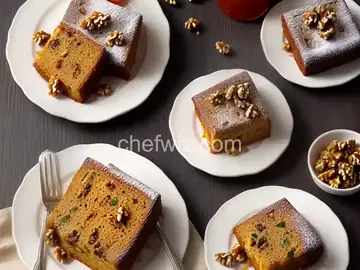
Once completely cooled, cut the cake into squares.
The cassava cake can be served at room temperature or chilled in the refrigerator.
Are you looking for a delicious and satisfying dessert that will transport you to tropical paradise with every bite? Look no further than Bibingkang Cassava, also known as Cassava Cake. This Filipino delicacy is made from grated cassava, a starchy root vegetable that is native to Southeast Asia. With its moist and chewy texture, it's like biting into a slice of heaven.
One of the things that make Bibingkang Cassava truly special is its simplicity. With just a few basic ingredients, you can create a dessert that is bursting with flavor. The grated cassava serves as the base, providing a subtly sweet and nutty taste. This is then combined with coconut milk, sugar, and eggs to create a creamy and luscious batter. The result is a cake that is not overly sweet, allowing the natural flavors of the cassava to shine through.
Bibingkang Cassava is not just a dessert; it's a taste of tradition and Filipino heritage. It is often served during special occasions and celebrations, such as birthdays and holidays. The cake is typically cooked in a banana leaf-lined baking pan, adding a unique aroma and flavor to the dish. The cassava cake is then topped with a creamy coconut custard and sprinkled with grated cheese for a touch of saltiness. Each bite is a nostalgic trip down memory lane, evoking feelings of warmth and togetherness.
One of the great things about Bibingkang Cassava is its versatility. While it is delicious on its own, you can also get creative with your toppings and add-ins. Want to add a fruity twist? Top your cassava cake with slices of ripe mango or jackfruit. Craving something crunchy? Sprinkle crushed toasted coconut or roasted nuts on top. The possibilities are endless, allowing you to customize your dessert to your liking.
Bibingkang Cassava is a delightful dessert that captures the essence of Filipino cuisine. Its simplicity, versatility, and rich cultural heritage make it a truly special treat. Whether you're looking to satisfy your sweet tooth or explore the flavors of Southeast Asia, Bibingkang Cassava is a must-try. So go ahead, indulge in a slice of this tropical delight and let your taste buds embark on a flavorful journey.
Yes, you can use frozen grated cassava for convenience. Just make sure to thaw it properly before using it in your recipe.
Coconut milk is an integral part of the traditional Bibingkang Cassava recipe and adds a distinct flavor. However, if you have dietary restrictions or preferences, you can experiment with other types of milk such as almond milk or soy milk.
The cassava cake is done when the edges are golden brown and a toothpick inserted in the center comes out clean. The texture should be firm but still moist.
Yes, Bibingkang Cassava can be made ahead of time. It can be stored in the refrigerator for up to 3 days. Just make sure to cover it tightly to prevent it from drying out.
Yes, you can freeze Bibingkang Cassava. Wrap it tightly in plastic wrap or place it in an airtight container before freezing. When ready to enjoy, thaw it in the refrigerator overnight and reheat it in the oven or microwave.
While cassava flour is made from the same root vegetable, it has a different texture and consistency compared to grated cassava. It is best to use grated cassava for Bibingkang Cassava to achieve the desired chewy texture.
Eggs play a crucial role in binding the ingredients together and adding moisture to the cake. However, if you have dietary restrictions or allergies, you can try using an egg substitute such as mashed bananas or applesauce.
Bibingkang Cassava can be enjoyed warm or cold, depending on your preference. Some people prefer it warm, right out of the oven, while others enjoy it chilled from the refrigerator.
AprilCook, recipe developer and the heart of Chefwiz. More about April