Bibingka
Rate this recipeBe the first to rate
 By AprilPublished
 Have you ever tasted a piece of heaven? Well, imagine sinking your teeth into a warm, fluffy, and slightly sweet piece of bibingka.
 By AprilPublished
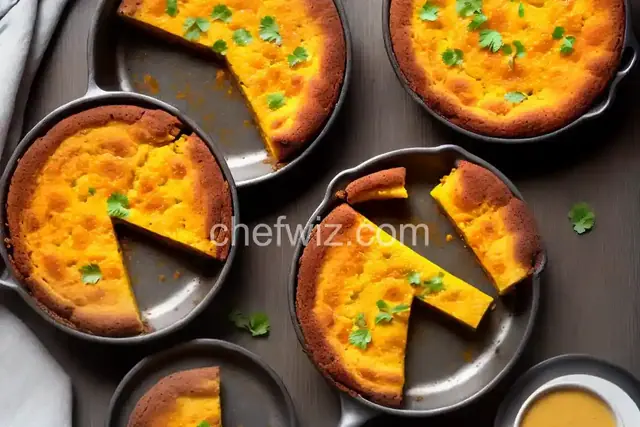
 Have you ever tasted a piece of heaven? Well, imagine sinking your teeth into a warm, fluffy, and slightly sweet piece of bibingka.
Preheat the oven to 350 degrees Fahrenheit.
Grease a 13 x 9 pan.
Combine all the ingredients in the greased pan.
Bake for 1 hour at 350 degrees Fahrenheit, or until a toothpick inserted in the center comes out clean.
Allow it to cool.
Cut the baked mixture into squares.
Have you ever tasted a piece of heaven? Well, imagine sinking your teeth into a warm, fluffy, and slightly sweet piece of bibingka. This beloved Filipino delicacy is a true masterpiece that brings joy to countless taste buds. In this article, we'll dive into the fascinating world of bibingka and discover what makes it so special.
Like many traditional dishes, bibingka carries a rich history that stretches back through the generations. Its roots can be traced to the Philippines, where it has been a beloved treat for centuries. Originally made from rice flour and coconut milk, bibingka has evolved over time to incorporate various flavors and textures.
Picture yourself strolling through the bustling streets of Manila, the tantalizing aroma of bibingka wafting through the air. It's a common sight to see street vendors skillfully baking these delectable treats in traditional clay pots, known as "bibingkaan." The process involves placing the pots over hot coals, creating a unique smoky flavor that adds to the overall experience.
One bite of bibingka is like a journey through time, as it encapsulates the flavors and traditions of the Philippines. The combination of rice flour, coconut milk, and sugar creates a moist and slightly dense texture that is simply irresistible. Topped with salted duck eggs, grated coconut, and a sprinkle of sugar, bibingka is a symphony of flavors that dance on your taste buds.
Bibingka is not just a delightful treat; it has also become an integral part of Filipino celebrations, particularly during Christmas season. It's a staple at Simbang Gabi, the traditional nine-day dawn masses leading up to Christmas Day. People flock to churches and indulge in the warmth of bibingka after each mass, symbolizing the joyous spirit of the season.
Just like any beloved dish, bibingka has inspired various interpretations and regional variations across the Philippines. In some areas, you might find bibingka made with purple yam, known as "ube," which adds a vibrant color and unique flavor to the traditional recipe. Other variations include toppings like cheese, butter, or even salted caramel for those with a sweet tooth.
As the culinary world continues to evolve, creative chefs are putting their own spin on the classic bibingka. From incorporating different types of flour to experimenting with new toppings, these modern variations are a testament to the versatility of this beloved treat. Whether you prefer the traditional recipe or a contemporary twist, bibingka is a dessert that will never disappoint.
So, the next time you find yourself in the Philippines or craving a taste of Filipino cuisine, don't forget to indulge in a piece of bibingka. With its rich history, delightful flavors, and festive spirit, it's a dessert that will transport you to the vibrant streets and warm-hearted culture of the Philippines. Let bibingka be your ticket to a culinary adventure like no other!
Bibingka is best enjoyed warm, straight from the oven. The heat enhances the flavors and textures, giving you the ultimate bibingka experience.
Absolutely! There are many recipes available online that guide you through the process of making bibingka from scratch. Give it a try and impress your family and friends with this Filipino delicacy.
Traditional bibingka is typically made with rice flour, which is naturally gluten-free. However, it's important to check the ingredients of store-bought or homemade bibingka to ensure it doesn't contain any gluten-containing additives.
Yes, you can freeze bibingka for later enjoyment. Simply wrap it tightly in plastic wrap or place it in an airtight container before freezing. When you're ready to eat, thaw it in the refrigerator and reheat it in the oven for the best results.
The Filipino cuisine is full of delightful desserts. Some popular ones include halo-halo, leche flan, and mango float. Explore the diverse range of Filipino sweets and let your taste buds embark on a sweet adventure.
While bibingka is most commonly found in the Philippines, you may be able to find it in Filipino restaurants or specialty stores in other countries. Keep an eye out for this delicious treat and savor the taste of the Philippines wherever you are.
While bibingka is traditionally associated with Christmas season, it can be enjoyed all year round. Many people still indulge in bibingka during other special occasions or simply as a delightful dessert to satisfy their cravings.
Bibingka, like any dessert, should be enjoyed in moderation. However, it does contain coconut milk, which is rich in healthy fats and essential nutrients. Just remember to balance your indulgences with a well-rounded diet.
Absolutely! One of the joys of bibingka is its versatility. Feel free to get creative with your toppings and experiment with different flavors. Whether you prefer classic toppings or unique combinations, the choice is yours.
AprilCook, recipe developer and the heart of Chefwiz. More about April