Bibingka (Filipino Rice Cake)
Rate this recipeBe the first to rate
 By AprilPublished
 Have you ever tasted a warm, soft, and chewy cake made from rice flour?
 By AprilPublished
 Have you ever tasted a warm, soft, and chewy cake made from rice flour?
Adjust the oven rack to the middle position and preheat the oven to 375°F (190°C).
If using banana leaf, rinse the banana leaf pieces under cold running water and pat them dry with paper towels.
Take one piece of banana leaf at a time and hold it with tongs about 2 inches above a medium-high flame of a gas burner. Turn the leaf every 3 to 5 seconds until it becomes soft and pliable, which should take about 15 seconds. Transfer the leaf to a plate and repeat this process with the remaining banana leaf piece.
Place the banana leaf pieces in an 8-inch anodized aluminum cake pan or cast iron skillet, arranging them in an overlapping configuration to cover the bottom and sides of the pan. Press down on them with your hands to make sure they are flush with the pan.
Brush the banana leaf pieces evenly with 1/2 ounce (1 tablespoon; 15g) of melted butter and set them aside. Alternatively, if not using banana leaf, grease an 8-inch anodized aluminum cake pan or cast iron skillet with melted butter or pan spray and set it aside.
In a medium bowl, whisk together white rice flour, sweet rice flour, baking powder, and salt until well combined, which should take about 1 minute. Note that the dry mixture may look homogeneous before it truly is, so be patient and whisk longer than it may seem necessary.
Have you ever tasted a warm, soft, and chewy cake made from rice flour? If not, then you must try Bibingka, a delightful Filipino rice cake that will surely satisfy your taste buds. This traditional dessert is not only delicious but also holds a special place in Filipino culture and celebrations. Let's dive into the world of Bibingka and uncover its unique flavors and captivating history.
Just like the diverse Filipino culture, Bibingka has diverse origins. It is believed to have been introduced to the Philippines during the Spanish colonial period. The word "Bibingka" is derived from the Malay word "bibik," which means "young lady" or "maiden." This name was given to the rice cake due to its resemblance to a young woman's breast. Today, Bibingka is a beloved dessert enjoyed by people of all ages.
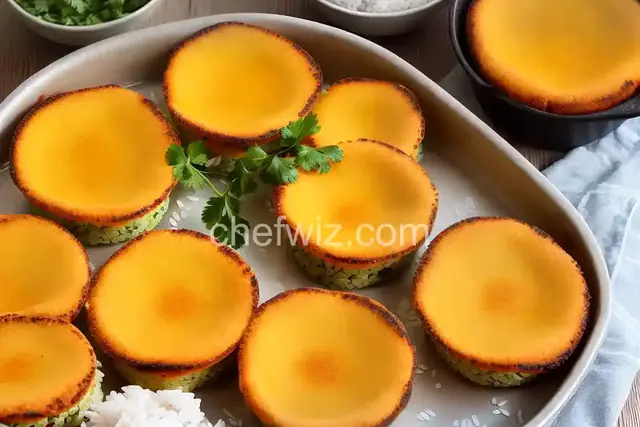
Bibingka is typically made with rice flour, coconut milk, eggs, sugar, and butter. The batter is poured into a banana leaf-lined clay pot called a "bibingkaan" and cooked over hot coals. This traditional method gives Bibingka its distinct flavor and texture. The cake is then topped with butter, grated coconut, and salted eggs, which add a unique twist to its taste.
Bibingka is not only enjoyed during regular days but also holds a special place in Filipino festivals and celebrations. It is a staple dessert during the Christmas season, especially during the "Simbang Gabi" or "Night Mass." People gather outside churches to attend early morning masses and indulge in the warm and comforting Bibingka afterward. This tradition has become a symbol of Filipino Christmas celebrations.
One cannot simply resist the aroma and taste of freshly baked Bibingka. The warm cake, with its slightly sweet and nutty flavor, is best enjoyed with a cup of hot chocolate or a serving of Filipino coffee. The combination of flavors creates a harmony that will transport you to the streets of the Philippines. Whether you have it for breakfast, snack, or dessert, Bibingka is a treat that will leave you craving for more.
Bibingka is more than just a rice cake. It represents the rich cultural heritage of the Philippines and brings joy to celebrations and gatherings. With its warm and comforting flavors, Bibingka has become a beloved dessert that holds a special place in the hearts of Filipinos. So, why not indulge in a slice of Bibingka and experience the taste of tradition?
Yes, you can still make Bibingka without a banana leaf. Simply use a greased baking dish or muffin tins as an alternative.
Yes, Bibingka is gluten-free as it is made with rice flour instead of wheat flour.
While coconut milk adds a distinct flavor to Bibingka, you can substitute it with regular milk if you prefer a milder taste.
The cooking time for Bibingka can vary depending on the method used. Traditional cooking over hot coals may take around 30 minutes, while baking in the oven can take approximately 45 minutes to an hour.
Yes, you can freeze Bibingka. Wrap individual portions in plastic wrap or aluminum foil and store them in an airtight container in the freezer. When ready to eat, thaw and reheat in the oven or microwave.
While Bibingka is commonly associated with Christmas, it can be enjoyed throughout the year. Many Filipino bakeries and stalls offer Bibingka as a regular dessert option.
Aside from butter, grated coconut, and salted eggs, you can also experiment with other toppings such as cheese, sugar, or even chocolate.
Yes, there are various regional variations of Bibingka in the Philippines. Some examples include Bibingka Galapong, Bibingka Cassava, and Bibingkang Malagkit, each with its own unique ingredients and cooking methods.
AprilCook, recipe developer and the heart of Chefwiz. More about April