Bhakri (Indian Unleavened Rice Bread) Recipe
Rate this recipeBe the first to rate
 By AprilPublished
 Have you ever tasted the simple yet flavorful delight of Bhakri?
 By AprilPublished
 Have you ever tasted the simple yet flavorful delight of Bhakri?
In a bowl, combine 2 cups of rice flour, water, and salt.
Knead the mixture, adding more water or flour as needed, until you have a pliable dough that is not sticky.
Continue kneading the dough for 5 minutes.
Cover the dough with plastic wrap and let it rest for 5 minutes.
Divide the dough into 4 equal balls.
Dust a rolling board and rolling pin with some additional flour.
Roll each ball of dough into a round shape, about 1/8-inch thick.
Heat a bare cast iron skillet over medium heat for 5 minutes.
Place one of the rolled out dough rounds (bhakri) onto the hot skillet and press it down lightly with a spatula.
Cook the bhakri for 1 minute, then carefully flip it using a thin metal spatula.
Use a clean kitchen cloth to firmly dab the bhakri on the skillet around its edges and center.
Flip the bhakri again and repeat the dabbing process with the cloth.
Remove the bhakri from the skillet when small brown spots appear on both sides and it has slightly puffed up.
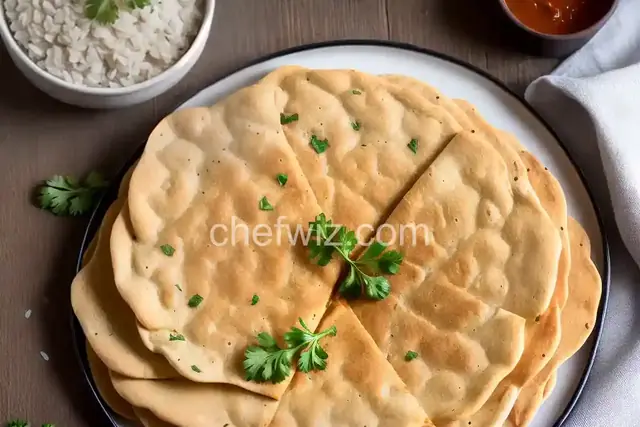
Serve the bhakri immediately with your choice of curry, lentil soup, or fried/scrambled egg.
Have you ever tasted the simple yet flavorful delight of Bhakri? If not, you're missing out on a unique culinary experience that has been cherished for generations in India. Bhakri, also known as Indian Unleavened Rice Bread, is a versatile and nutritious dish that can be enjoyed with a variety of accompaniments. In this article, we will explore the history, preparation, and health benefits of Bhakri, as well as answer some common questions surrounding this delectable bread.
Bhakri has its roots in the western states of India, such as Gujarat and Maharashtra. It is believed to have been a staple food for farmers and villagers due to its simplicity and easy preparation. Traditionally, Bhakri was made using millet or sorghum flour, but over time, rice flour has become the preferred choice.
Preparing Bhakri is an art that requires the right balance of ingredients and technique. The process starts with mixing rice flour, water, and a pinch of salt to form a dough. The dough is then divided into small portions and rolled out into flat discs using a rolling pin. These discs are then cooked on a hot griddle or tawa until they turn golden brown and crispy.
Bhakri is a versatile dish that can be enjoyed in various ways. It can be savored with a dollop of ghee or served alongside spicy curries, chutneys, or pickles. The crunchy texture of Bhakri complements the rich flavors of Indian cuisine, making it a perfect accompaniment for a hearty meal.
Beyond its delicious taste, Bhakri offers numerous health benefits that make it a popular choice among health-conscious individuals. As Bhakri is made from rice flour, it is naturally gluten-free, making it suitable for those with gluten intolerance. Additionally, Bhakri is low in fat and high in fiber, making it an excellent choice for maintaining a healthy weight and promoting good digestion.
Bhakri is not just a bread; it's a cultural heritage that has stood the test of time. Its simplicity, versatility, and health benefits make it a favorite among food enthusiasts. Whether you're a gluten-free eater, a health-conscious individual, or simply someone who enjoys exploring new flavors, Bhakri is a must-try dish that will leave you craving for more. So, why wait? Embark on a culinary adventure and savor the delightful crunch of Bhakri!
Absolutely! Bhakri is made from rice flour, which is naturally gluten-free. It is a perfect choice for individuals with gluten intolerance or those following a gluten-free diet.
While rice flour is the traditional choice for making Bhakri, you can experiment with other gluten-free flours like millet or sorghum flour. Each flour will impart a unique flavor and texture to the final product.
Cooking time may vary depending on the thickness of the Bhakri and the heat of the griddle. On average, it takes around 2-3 minutes per side to cook Bhakri until it turns golden brown and crispy.
Yes, Bhakri can be stored for later consumption. Once cooked, allow Bhakri to cool completely and store it in an airtight container. It can stay fresh for up to 2-3 days.
Yes, Bhakri can be frozen for future use. Wrap each Bhakri individually in cling wrap or place parchment paper between them to prevent sticking. Store them in a freezer-safe bag or container, and they can be stored for up to a month.
Absolutely! If you don't have a rolling pin, you can use a flat-bottomed heavy pan or even your hands to flatten the dough into discs. The key is to apply even pressure to ensure the Bhakri cooks evenly.
Bhakri is traditionally made with rice flour, but you can experiment with other grains like bajra (pearl millet) or jowar (sorghum) to create different variations of this delightful bread.
Yes, Bhakri can be a great addition to a weight loss diet. It is low in fat, high in fiber, and provides a good amount of satiety, helping you feel fuller for longer. However, portion control is essential, as consuming excessive amounts can hinder your weight loss goals.
AprilCook, recipe developer and the heart of Chefwiz. More about April