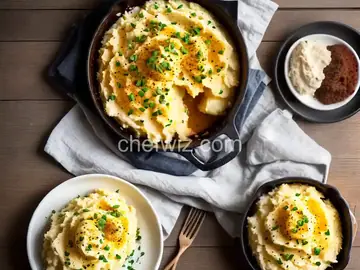
Better Buttermilk Biscuits
Rate this recipeBe the first to rate
 By AprilPublished
 When it comes to comfort food, few things can compare to a warm, freshly baked buttermilk biscuit.
 By AprilPublished
 When it comes to comfort food, few things can compare to a warm, freshly baked buttermilk biscuit.
In a mixing bowl, combine the dry ingredients using a fork.
Use a pastry blender to cut in the shortening until the mixture resembles coarse crumbs.
Create a well in the center of the mixture and pour in the buttermilk.
Quickly fold the dry ingredients into the buttermilk using your hands until a sticky dough forms.
Transfer the dough onto a floured surface.
Gently fold the dough over itself 3 or 4 times to create layers.
Roll out the dough to a thickness of 3/4-inch.
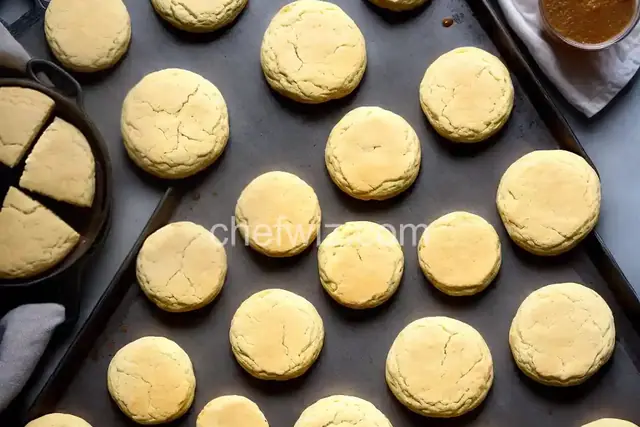
Use a 3-inch biscuit cutter to cut out rounds from the dough.
Place the dough rounds onto a sheet pan.
Gather any remaining dough scraps and repeat the cutting process.
Make a dimple in the center of each dough round to help it rise evenly.
Brush the tops of the dough rounds with butter.
Preheat the oven to 400 degrees.
Bake the dough rounds for 15 minutes or until they turn golden brown.
When it comes to comfort food, few things can compare to a warm, freshly baked buttermilk biscuit. The buttery aroma, the delicate yet flaky texture - it's pure bliss. But making the perfect biscuit can sometimes be a challenge. How do you achieve that elusive balance of tenderness and fluffiness? Well, fret not! In this article, we will uncover the secrets to creating better buttermilk biscuits that will leave you craving for more.
What makes buttermilk biscuits so special? The answer lies in the magic of buttermilk. Buttermilk, with its slightly tangy flavor, adds a unique depth to baked goods. It also interacts with the leavening agents, such as baking powder, to create those irresistible layers. Think of buttermilk as the secret ingredient that takes your biscuits from good to great.
Choosing the right flour is crucial for achieving the perfect texture in your biscuits. All-purpose flour is a popular choice, but for extra fluffiness, you can opt for cake flour. The lower protein content in cake flour results in a more tender biscuit. If you prefer a heartier biscuit, consider using self-rising flour, which already contains leavening agents.
When it comes to the fat in your biscuit dough, you have two primary options: butter or shortening. Both have their merits. Butter adds a rich flavor and a golden brown crust, while shortening contributes to a lighter texture. For the best of both worlds, you can even use a combination of both fats. The choice is yours!
Now that we've covered the key ingredients, let's talk about technique. One crucial aspect of biscuit-making is handling the dough gently. Overmixing can lead to tough biscuits, so it's important to mix just until the ingredients come together. Pat the dough gently and fold it over a few times to create those desirable layers.
With the right ingredients, technique, and a little bit of practice, you can master the art of making better buttermilk biscuits. The magic of buttermilk, the choice of flour and fat, and the gentle handling of the dough all play a role in creating that perfect balance of tenderness and fluffiness. So, go ahead and indulge in the joy of homemade biscuits - you deserve it!
Absolutely! If you don't have buttermilk on hand, you can make a simple substitute by adding a tablespoon of lemon juice or vinegar to a cup of regular milk. Let it sit for a few minutes until it curdles slightly, and voila - homemade buttermilk!
Definitely! Freezing the biscuit dough can be a time-saving option. Just shape the dough into individual biscuits, place them on a baking sheet lined with parchment paper, and freeze until solid. Transfer the frozen biscuits to a freezer bag and store for up to three months. When you're ready to bake, simply pop them in the oven - no need to thaw!
Absolutely! There are many gluten-free flour blends available that can be used as a substitute for regular flour. Just make sure to follow a recipe specifically designed for gluten-free biscuits to ensure the best results.
Definitely! Adding herbs or cheese to your biscuits can take them to a whole new level of deliciousness. Chopped fresh herbs, such as rosemary or chives, can add a burst of flavor, while grated cheese, like cheddar or Parmesan, can create a savory twist.
Both options work just fine! If you have a biscuit cutter, go ahead and use it. But if you don't, a glass with a smooth rim can serve as a great substitute. Just make sure to dip it in flour before cutting to prevent sticking.
Store leftover biscuits in an airtight container at room temperature for up to three days. To reheat, simply place them in a preheated oven at 350°F for a few minutes until warmed through. They'll still taste just as delicious!
Absolutely! To make mini biscuits, simply use a smaller biscuit cutter or even a shot glass. They're perfect for bite-sized appetizers or as a side dish for soups and stews.
Yes, you can! If you don't have an oven, you can make stovetop biscuits. Simply shape the dough into rounds and cook them in a greased skillet over medium heat until golden brown on both sides. It's a great option for camping or when you're craving biscuits but don't have access to an oven.
AprilCook, recipe developer and the heart of Chefwiz. More about April