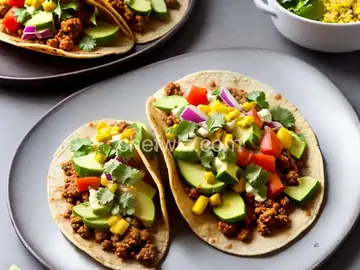
Best Vegetable Lasagna
Rate this recipeBe the first to rate
 By AprilPublished
 Are you looking for a delicious and nutritious meal that is also vegetarian-friendly?
 By AprilPublished
 Are you looking for a delicious and nutritious meal that is also vegetarian-friendly?
Preheat the oven to 425 degrees Fahrenheit.
To prepare the vegetables, heat the olive oil in a large skillet over medium heat. Once the oil is shimmering, add the carrots, bell pepper, zucchini, yellow onion, and salt. Cook, stirring occasionally, until the vegetables are golden on the edges, about 8 to 12 minutes.
Add a few large handfuls of spinach and cook until wilted. Repeat with the remaining spinach, cooking until all of it has wilted, about 3 minutes. Remove the skillet from the heat and set aside.
Meanwhile, prepare the tomato sauce by draining the excess juice from the tomatoes using a mesh sieve or fine colander. Transfer the drained tomatoes to a food processor and add the basil, olive oil, garlic, salt, and red pepper flakes. Pulse the mixture about 10 times until the tomatoes are easily spreadable. Pour the mixture into a bowl and set aside.
In the same food processor, blend half of the cottage cheese until smooth, about 1 minute. Transfer the mixture to a large mixing bowl.
Transfer the cooked veggies and spinach mixture to the food processor and pulse until finely chopped. Do not puree. Transfer the mixture to the bowl of whipped cottage cheese. Add the remaining cottage cheese, salt (to taste), and black pepper. Stir to combine.
Spread ½ cup of tomato sauce evenly on the bottom of a 9
Are you looking for a delicious and nutritious meal that is also vegetarian-friendly? Look no further than the best vegetable lasagna! This mouthwatering dish is packed with layers of fresh vegetables, flavorful sauce, and gooey melted cheese. Whether you're a vegetarian or simply looking to incorporate more veggies into your diet, this recipe is sure to satisfy your cravings.
Vegetable lasagna is not only a tasty dish but also a great way to boost your intake of vitamins and minerals. By skipping the traditional meat filling and replacing it with a variety of colorful vegetables, you can enjoy a nutritious meal that is low in saturated fat and cholesterol. Plus, the combination of flavors and textures in vegetable lasagna is simply irresistible.
When it comes to making the best vegetable lasagna, the key is to choose a variety of vegetables that complement each other. Think about adding a mix of bell peppers, zucchini, eggplant, spinach, and mushrooms for a burst of flavors and colors. Not only will these vegetables add a delicious taste, but they will also provide a range of nutrients to support your overall health.
Before assembling your vegetable lasagna, it's important to prepare the vegetables properly. Start by washing and chopping them into bite-sized pieces. If you're using vegetables like zucchini or eggplant that have a high water content, consider salting them and letting them sit for a few minutes to remove excess moisture. This will prevent your lasagna from becoming watery.
Now that your vegetables are ready, it's time to start layering your lasagna. Begin by spreading a thin layer of tomato sauce on the bottom of your baking dish to prevent the noodles from sticking. Then, add a layer of lasagna noodles, followed by a generous amount of vegetable filling. Repeat these layers until you run out of ingredients, ensuring that the top layer is covered with sauce and cheese.
Once your vegetable lasagna is assembled, bake it in a preheated oven until the cheese is melted and bubbly, and the noodles are cooked through. The exact baking time may vary depending on your oven, so keep an eye on it to avoid overcooking. Once it's ready, let it cool for a few minutes before serving. Cut into slices and enjoy the delicious flavors and textures of the best vegetable lasagna!
The best vegetable lasagna is a delightful and nutritious dish that is sure to please both vegetarians and meat lovers alike. With its colorful layers of fresh vegetables, flavorful sauce, and cheesy goodness, it's a meal that will satisfy your taste buds and nourish your body. So why not give it a try and enjoy the goodness of vegetable lasagna today?
Yes, you can use frozen vegetables for vegetable lasagna. However, keep in mind that frozen vegetables may release more moisture during cooking, which could make your lasagna slightly watery. To prevent this, consider thawing and draining the frozen vegetables before using them in your lasagna.
Absolutely! Vegetable lasagna can be made ahead of time and stored in the refrigerator for a day or two. Simply assemble the lasagna as directed, cover it tightly with foil, and refrigerate until you're ready to bake it. This is a great option for busy weeknights or when you want to have a delicious meal ready to go.
While the beauty of vegetable lasagna lies in its meatless nature, you can certainly add meat if you prefer. Consider adding cooked ground beef, sausage, or even shredded chicken to the vegetable filling for a heartier version of lasagna.
Yes, you can experiment with different types of cheese to suit your taste. While mozzarella is the most commonly used cheese in lasagna, you can also try adding Parmesan, cheddar, or a blend of cheeses for added flavor.
Absolutely! To make your vegetable lasagna gluten-free, simply use gluten-free lasagna noodles or substitute them with zucchini slices for a low-carb option. Additionally, ensure that all other ingredients, such as the sauce and cheese, are also gluten-free.
Yes, vegetable lasagna can be frozen for later use. Once the lasagna is assembled, cover it tightly with foil and freeze it. When you're ready to enjoy it, simply thaw it in the refrigerator overnight and bake it as directed. It's a convenient option for meal prep or when you want to have a homemade lasagna on hand.
Absolutely! Feel free to get creative and add other vegetables to your vegetable lasagna. Some delicious options include carrots, broccoli, kale, or even artichoke hearts. Just make sure to cook them properly before adding them to your lasagna.
Yes, you can make a vegan version of vegetable lasagna by using plant-based cheese and substituting eggs in the noodles with flaxseed or chia seeds. Additionally, ensure that the sauce and other ingredients are free from animal products. With a few simple swaps, you can enjoy a delicious vegan-friendly vegetable lasagna.
AprilCook, recipe developer and the heart of Chefwiz. More about April