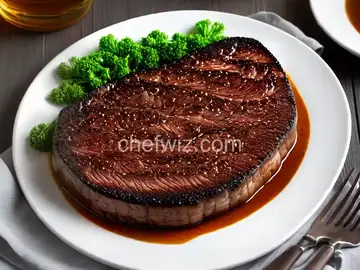
Best Pernil Ever
Rate this recipeBe the first to rate
 By AprilPublished
 Are you ready to take your taste buds on a journey to the flavors of the Caribbean?
 By AprilPublished
 Are you ready to take your taste buds on a journey to the flavors of the Caribbean?
Crush the garlic cloves into small pieces using a mortar and pestle.
Add olive oil, salt, oregano, and black pepper to the crushed garlic and mash them together until a paste forms.
Using a sharp knife, make 12 deep incisions in the roast, spacing them a few inches apart.
Stuff the seasoned garlic paste evenly into the incisions and spread it over the entire roast.
Place the roast in a large bowl and pour in enough red wine to completely cover the roast. Cover the bowl with plastic wrap and refrigerate for 24 hours to marinate.
Remove the roast from the marinade and discard the red wine.
Place the roast fat-side up in a roasting pan and cover it with aluminum foil. Let it sit at room temperature for about 30 minutes.
Preheat the oven to 400 degrees F (200 degrees C).
Transfer the roast to the preheated oven and immediately reduce the temperature to 300 degrees F (150 degrees C). Bake the roast until it is slightly pink in the center, which should take approximately 4 hours.
Increase the oven temperature to 400 degrees F (200 degrees C).
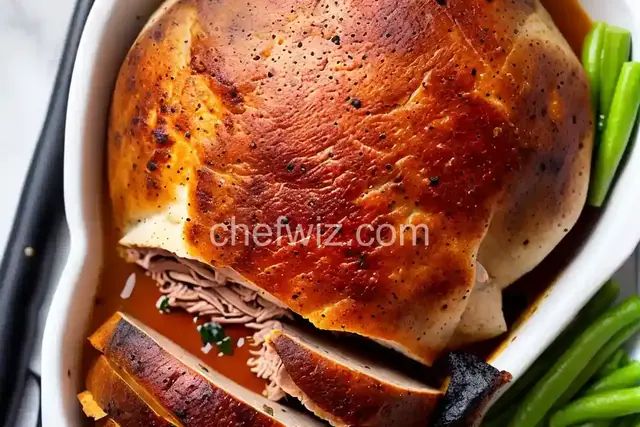
Remove the foil cover from the roast and continue baking it until the fat on the outside becomes crispy and an instant-read thermometer inserted into the center reads 160 degrees F (71 degrees C). This will take about 1 hour more.
Are you ready to take your taste buds on a journey to the flavors of the Caribbean? Look no further than the mouthwatering delight known as pernil. This slow-roasted pork dish is a staple in Puerto Rican cuisine and is sure to leave you craving for more. In this article, we will explore the secrets to creating the best pernil ever, from selecting the perfect cut of meat to achieving that irresistible crispy skin. So, let's dive in and uncover the keys to a truly unforgettable pernil experience!
When it comes to pernil, the choice of meat is crucial. You want a cut that is tender, juicy, and packed with flavor. The ideal cut for pernil is the pork shoulder, also known as the Boston butt. This cut has the perfect balance of fat and meat, ensuring a succulent and melt-in-your-mouth texture. Think of it as the crown jewel of pernil.
Marinating is the key to infusing the meat with a burst of flavors. A traditional pernil marinade consists of a blend of aromatic spices, herbs, and citrus juices. Imagine the combination of garlic, oregano, cumin, and sour orange coming together to create a tantalizing aroma that will make your taste buds dance with joy. Allow the meat to soak up these flavors overnight, and you'll be rewarded with a depth of taste that is truly extraordinary.
Patience is a virtue when it comes to making the best pernil. Slow roasting is the secret to achieving that tender, fall-apart texture that pernil is famous for. Set your oven to a low temperature and let the pork shoulder cook low and slow for several hours. As the meat cooks, the fat will render, basting the meat and creating a delectable crust. Just imagine sinking your teeth into a piece of pernil that is so tender it practically melts in your mouth.
No pernil is complete without the crispy skin that adds a delightful contrast to the tender meat. To achieve that coveted crunch, increase the oven temperature for the last hour of roasting. This will help the skin crisp up and turn golden brown, creating a symphony of textures in every bite. It's like a crispy, savory blanket enveloping the succulent pork.
Creating the best pernil ever is a labor of love that rewards you with a dish that is rich in flavors and steeped in tradition. From selecting the perfect cut of meat to slow roasting it to perfection, every step contributes to the final masterpiece. So, gather your ingredients, roll up your sleeves, and embark on a culinary adventure that will transport you to the vibrant streets of Puerto Rico. Get ready to savor the best pernil you've ever tasted!
For the best results, marinate the pernil overnight to allow the flavors to penetrate the meat fully.
While the pork shoulder is the recommended cut for pernil, you can experiment with other cuts like pork leg or pork loin, keeping in mind that the texture and flavor may vary.
If you can't find sour oranges, you can use a combination of orange and lime juice to achieve a similar tangy flavor.
The cooking time will depend on the size of the pork shoulder. As a general rule, plan for about 30 minutes of cooking time per pound of meat.
While slow cookers can be used to make pernil, the texture and crispiness of the skin may not be the same as when using an oven.
Yes, you can freeze leftover pernil. Just make sure to store it in an airtight container or freezer bag to maintain its freshness.
Traditional side dishes like rice and beans, tostones (fried plantains), and yuca are perfect accompaniments to pernil.
Absolutely! Pernil can be made in advance and reheated before serving. This makes it a great option for gatherings and special occasions.
AprilCook, recipe developer and the heart of Chefwiz. More about April