Best Greek Salad
Rate this recipeBe the first to rate
 By AprilPublished
 Are you craving a refreshing and healthy salad that bursts with Mediterranean flavors?
 By AprilPublished
 Are you craving a refreshing and healthy salad that bursts with Mediterranean flavors?
Place cucumber, onion, tomatoes, and olives in a spacious bowl. Mix them together gently.
Add feta cheese to the bowl and fold it in carefully.
In a smaller bowl, combine vinegar, lemon juice, and oregano. Whisk the ingredients together and season with salt and pepper.
Slowly pour the oil into the mixture while whisking continuously until the dressing becomes smooth and well blended.
Drizzle the prepared dressing over the salad.
Toss the salad once again to ensure that all the ingredients are well coated and combined.
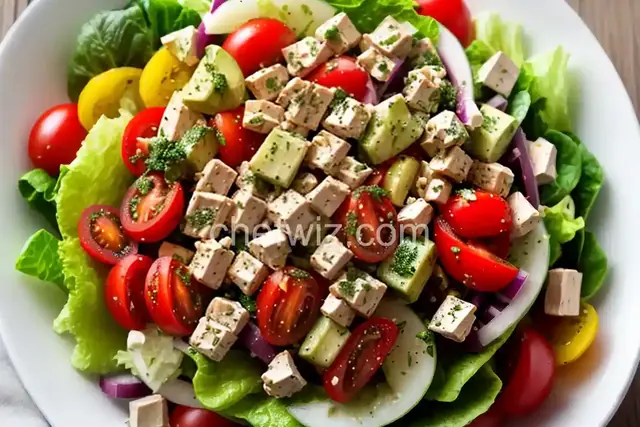
Are you craving a refreshing and healthy salad that bursts with Mediterranean flavors? Look no further than the best Greek salad! This classic dish is a delightful combination of crisp vegetables, tangy feta cheese, briny olives, and a zesty dressing. It's the perfect accompaniment to any meal or a satisfying main course on its own.
The Greek salad has gained popularity worldwide for its simplicity and vibrant flavors. Its appeal lies in its fresh ingredients and the way they come together in harmony. Every bite is a burst of freshness, with the juicy tomatoes, crunchy cucumbers, and crisp lettuce. The combination of tangy feta cheese and Kalamata olives adds a unique Mediterranean touch that elevates the salad to another level.
Creating the best Greek salad is all about achieving the perfect balance of flavors. The tanginess of the feta cheese complements the sweetness of the tomatoes, while the saltiness of the olives enhances the freshness of the vegetables. The dressing, typically made with olive oil, lemon juice, and herbs, ties everything together, adding a zingy and herbaceous note to the salad.
Greek salad typically consists of a few key ingredients:
Assembling the best Greek salad is a breeze. Simply chop the vegetables into bite-sized pieces and toss them together in a large bowl. Crumble the feta cheese on top, add the Kalamata olives, and drizzle the dressing over the salad. Gently toss everything together to ensure that the flavors are evenly distributed. Serve chilled and enjoy!
Absolutely! While the traditional Greek salad sticks to cucumbers, tomatoes, and red onions, you can experiment with other vegetables like bell peppers, radishes, or even artichoke hearts.
Yes, you can replace the feta cheese with a vegan alternative or omit it altogether. The salad will still be delicious and packed with flavor.
Fresh herbs are preferred as they provide a vibrant and aromatic flavor. However, if you don't have access to fresh herbs, you can use dried ones. Just remember to adjust the quantities accordingly, as dried herbs are more potent.
Greek salad is best enjoyed fresh, but you can store it in the refrigerator for up to 2-3 days. Keep in mind that the vegetables might become slightly wilted, so it's best to consume it within a day or two for optimal freshness.
Absolutely! Adding grilled chicken or shrimp will not only make the salad more filling but also add a delicious protein element to it.
Yes, Greek salad is naturally gluten-free as it doesn't contain any gluten-containing ingredients. However, always double-check the labels of store-bought ingredients like olives or feta cheese to ensure they are gluten-free.
Olive oil is a key component of the Greek salad dressing and contributes to its distinctive flavor. While you can substitute it with other oils, such as avocado oil or sunflower oil, the taste might differ slightly.
While it's best to enjoy Greek salad immediately after assembling, you can prepare the ingredients in advance and store them separately. Assemble the salad just before serving to maintain its freshness and crunch.
Absolutely! Greek salad is incredibly versatile and can be enjoyed as a light and satisfying main course. To make it heartier, you can add grilled chicken, shrimp, or even chickpeas for a vegetarian option.
In conclusion, the best Greek salad is a refreshing and flavorful dish that brings the taste of the Mediterranean to your table. Its simplicity and balance of flavors make it a favorite among salad enthusiasts worldwide. Whether you enjoy it as a side dish or a main course, this classic salad will never disappoint.
AprilCook, recipe developer and the heart of Chefwiz. More about April