Belgian Tripel (For Beginning Homebrewers) Recipe
Rate this recipeBe the first to rate
 By AprilPublished
 Are you a homebrewing enthusiast ready to embark on a new adventure?
 By AprilPublished
 Are you a homebrewing enthusiast ready to embark on a new adventure?
If possible, cool 3 gallons of water in a sanitized container in the refrigerator.
Tie the Carapils malt in a large mesh grain bag or hop bag.
Place the bag in a 5-gallon pot with 3 gallons of water and immerse the grain.
Begin heating the pot, making sure the mesh bag isn't sitting directly on the bottom.
Remove the grain bag when the temperature reaches 170°F.
Bring the water to a vigorous boil.
Slowly add 2 pounds of Pilsner liquid malt extract while stirring constantly until completely dissolved.
Once the boil begins, add 2 ounces of Hallertau hops in a mesh bag.
After boiling for 45 minutes, add the remaining 7 pounds of Pilsner liquid malt extract and 1 pound of Belgian candy sugar, stirring constantly until completely dissolved.
After a total of 60 minutes of boiling, remove the pot from heat.
Allow the wort to cool below 180°F, ensuring that all utensils and containers are sanitary and minimizing exposure to open air.
Place the pot in an ice bath to cool the wort below 85°F.
Transfer the cooled wort to a sanitized fermentor, either a carboy or fermentation bucket, and top off with refrigerated water to reach a total volume of 5 gallons.
Use a sanitized auto-siphon racking
Are you a homebrewing enthusiast ready to embark on a new adventure? Look no further than the Belgian Tripel. This classic beer style offers a delightful combination of flavors and aromas that will captivate your taste buds and impress your friends. In this article, we will explore the world of Belgian Tripels, providing you with everything you need to know to brew this exquisite beer at home.
Imagine a golden elixir, effervescent and full of character. The Belgian Tripel is a heavenly concoction that embodies the craftsmanship of Belgian brewers. It is a strong ale with a complex flavor profile that balances sweetness, spice, and a touch of fruity esters. This style is known for its high alcohol content, typically ranging from 8% to 12%, making it a beer to be savored and enjoyed in moderation.
Brewing a Belgian Tripel requires attention to detail and patience. The process begins with selecting the finest ingredients, such as Belgian malts, which contribute to the beer's rich and robust body. The addition of aromatic hops and Belgian yeast strains adds depth and complexity to the flavor profile.
During fermentation, the yeast works its magic, producing unique flavors and aromas. The result is a beer that boasts a wide range of flavors, from spicy phenolics to fruity esters. The delicate balance of these elements creates a harmonious symphony on your palate.
Fermentation is a crucial step in brewing a Belgian Tripel. The right yeast strain plays a vital role in shaping the beer's character. Belgian yeast strains are known for their ability to produce complex flavors and aromas. They thrive in higher temperature ranges, allowing them to unleash their full potential.
During fermentation, the yeast consumes the sugars in the wort and produces alcohol and carbon dioxide. This process not only imparts the desired alcohol content but also creates the signature effervescence found in Belgian Tripels. The result is a beer with a lively mouthfeel and a champagne-like sparkle.
Belgian Tripels are versatile beers that can be enjoyed on their own or paired with a variety of dishes. Their complexity and depth of flavor make them an excellent companion for rich and spicy foods. The fruity esters and spicy phenolics complement dishes like roasted meats, stews, and flavorful cheeses.
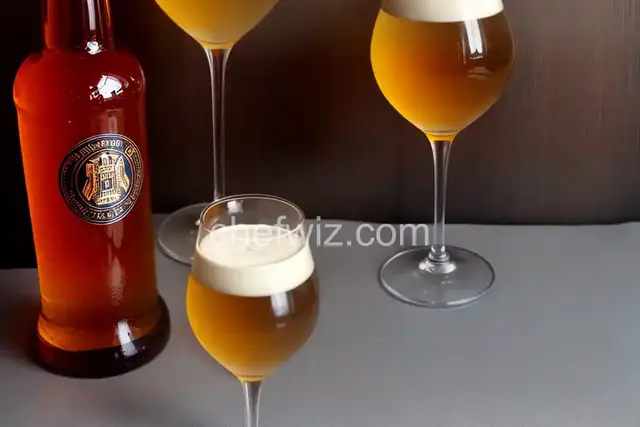
When it comes to savoring a Belgian Tripel, take your time. Pour it into a tulip-shaped glass to enhance the aroma and release the carbonation. Take a moment to appreciate the golden hue and the frothy head. As you take your first sip, let the flavors dance on your tongue, revealing layers of sweetness, spice, and fruity esters. The finish should be dry, leaving you craving another sip.
Brewing a Belgian Tripel is an exciting endeavor that will challenge your skills as a homebrewer. The rewards, however, are well worth the effort. With its intricate flavors, golden hue, and delightful effervescence, the Belgian Tripel is a beer that will transport you to the heart of Belgium with every sip. So gather your ingredients, embrace the process, and embark on this delightful journey.
Thank you for joining us on this exploration of the Belgian Tripel. If you have any more questions or need further guidance, please feel free to reach out. Happy brewing!
While it's possible to experiment with different malts, using authentic Belgian malts will give your Tripel its distinct character and flavor profile.
Belgian yeast strains thrive in higher temperature ranges, typically between 68째F and 78째F (20째C and 25째C). This allows the yeast to produce the desired flavors and aromas.
Belgian Tripels benefit from some aging to allow the flavors to mellow and harmonize. Aim for at least two to three months of bottle conditioning before opening your first bottle.
While traditional Belgian Tripels don't include spices or fruits, you can experiment with additions during the brewing process. Just ensure that the additional ingredients complement the base beer and don't overpower its delicate flavors.
The effervescence in Belgian Tripels is achieved through bottle conditioning. After fermentation, priming sugar is added to the beer before bottling, allowing for a secondary fermentation process that produces carbonation.
While the high alcohol content is characteristic of Belgian Tripels, you can adjust the recipe to create a lighter version. Just remember that the alcohol plays a significant role in the beer's overall flavor profile.
Maintaining proper fermentation temperatures and good sanitation practices are crucial in preventing off-flavors. Be attentive during the brewing and fermentation process to ensure a clean and flavorful beer.
While bottling is the traditional method for Belgian Tripels, kegging is also an option. Just be sure to adjust the carbonation level accordingly to match the effervescence of the style.
AprilCook, recipe developer and the heart of Chefwiz. More about April