Beignets
Rate this recipeBe the first to rate
 By AprilPublished
 Who doesn't love the aroma of freshly made beignets? These delightful, pillowy pastries are a beloved treat in New Orleans and have gained popularity worldwide.
 By AprilPublished
 Who doesn't love the aroma of freshly made beignets? These delightful, pillowy pastries are a beloved treat in New Orleans and have gained popularity worldwide.
Start by dissolving the yeast in warm water. Pour it into a large bowl and add the evaporated milk, white sugar, eggs, and salt. Mix well until smooth.
Add 4 cups of flour to the mixture and beat until smooth.
Mix in the shortening and then add the remaining 3 cups of flour. Stir until well combined.
Cover the dough and refrigerate for at least 2 hours, or up to 24 hours.
On a floured surface, roll out the dough to a thickness of 1/8-inch. Cut it into 2 1/2-inch squares.
Heat the vegetable oil in a deep pot to a temperature of 360 degrees F (180 degrees C).
Fry the beignets in batches until they are browned and puffed. If they sink and do not pop up, the oil is not hot enough. Use a slotted spoon to remove them from the oil and drain them on paper towels.
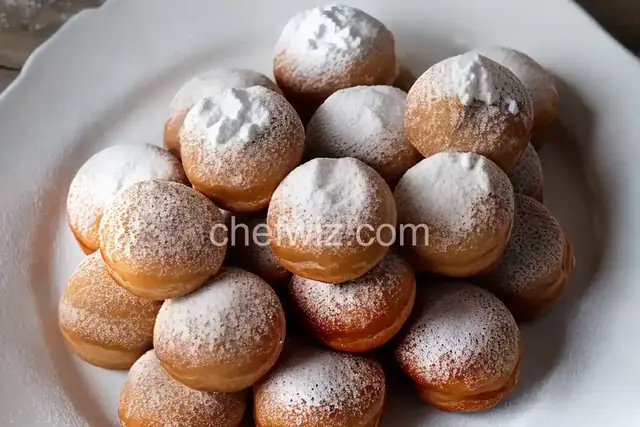
Sprinkle powdered sugar over the hot beignets and serve immediately.
Who doesn't love the aroma of freshly made beignets? These delightful, pillowy pastries are a beloved treat in New Orleans and have gained popularity worldwide. Whether you're a fan of powdered sugar-dusted classics or enjoy experimenting with unique flavors, there's a beignet for everyone. In this article, we'll explore the history, variations, and tips for making the perfect beignets.
Beignets have a rich history that can be traced back to the French colonists who settled in New Orleans. These deep-fried pastries have their roots in French cuisine, particularly the French version of a fritter. Over time, beignets became a staple in New Orleans' culinary scene and are now synonymous with the city's vibrant culture.
Traditionally, beignets are made with a simple dough consisting of flour, water, yeast, and sugar. The dough is rolled out, cut into squares or circles, and deep-fried until golden brown. Once cooked, they are generously dusted with powdered sugar, making them an irresistible treat.
While the classic beignet recipe remains a favorite, there are numerous variations that cater to different tastes. Some popular variations include:
Who says beignets can only be sweet? Savory beignets are a savory twist on the traditional recipe, perfect for those looking for a salty snack. These beignets are often stuffed with cheese, bacon, or seafood, adding a savory burst of flavor with every bite.
For chocolate lovers, chocolate beignets are a dream come true. These decadent treats are made by adding cocoa powder or melted chocolate to the dough, resulting in a rich and indulgent dessert.
Add a fruity twist to your beignets by incorporating fresh or dried fruits into the dough. From apple cinnamon to strawberry-filled delights, these beignets offer a burst of natural sweetness.
Creating the perfect batch of beignets requires some finesse. Here are a few tips to ensure your beignets turn out light, fluffy, and delicious:
Active yeast is crucial for achieving a light and airy texture in your beignets. Make sure your yeast is fresh and within its expiration date for optimal results.
Allowing the dough to rest for at least an hour before frying helps develop the flavors and improves the texture of the beignets. This step is essential for achieving that perfect pillowy interior.
Maintaining the right frying temperature is crucial for achieving crispy, golden beignets. The oil should be heated to around 350°F (180°C) to ensure even cooking and prevent greasiness.
The final touch to any beignet is a generous dusting of powdered sugar. This not only adds a sweet finish but also enhances the visual appeal of the pastries.
Beignets are a delightful treat that brings a taste of New Orleans' rich culinary heritage to your kitchen. Whether you prefer the classic powdered sugar version or enjoy exploring unique flavor combinations, there's a beignet for every palate. So, why not try your hand at making these delectable pastries today?
While making beignets requires some time and patience, they are not overly difficult to make. With the right recipe and a few tips, you can achieve delicious results.
Beignets are best enjoyed fresh and warm. However, you can make the dough ahead of time and refrigerate it overnight. Fry the beignets just before serving for the best taste and texture.
While traditional beignets are deep-fried, you can experiment with baking them for a healthier alternative. However, the texture and flavor may differ slightly from the fried version.
Yes, you can freeze leftover beignets. Allow them to cool completely, then place them in an airtight container or freezer bag. When ready to enjoy, simply reheat them in the oven or microwave.
While all-purpose flour is commonly used for beignets, you can experiment with different types of flour, such as whole wheat or gluten-free flour. Keep in mind that the texture and taste may vary.
Beignets traditionally require yeast to achieve their characteristic light and fluffy texture. However, there are yeast-free recipes available that use baking powder or baking soda as leavening agents.
While square or circular shapes are the most common for beignets, you can get creative and experiment with different shapes, such as hearts or stars. Just ensure the dough is evenly rolled to achieve even cooking.
Powdered sugar is a classic accompaniment for beignets, adding a sweet touch. However, if you prefer a different topping, you can experiment with alternatives such as cinnamon-sugar or a drizzle of chocolate sauce.
AprilCook, recipe developer and the heart of Chefwiz. More about April