Beefy Chinese Dumplings
Rate this recipeBe the first to rate
 By AprilPublished
Who doesn't love a good dumpling? These little pockets of deliciousness are a staple in Chinese cuisine and have gained popularity all over the world.
 By AprilPublished
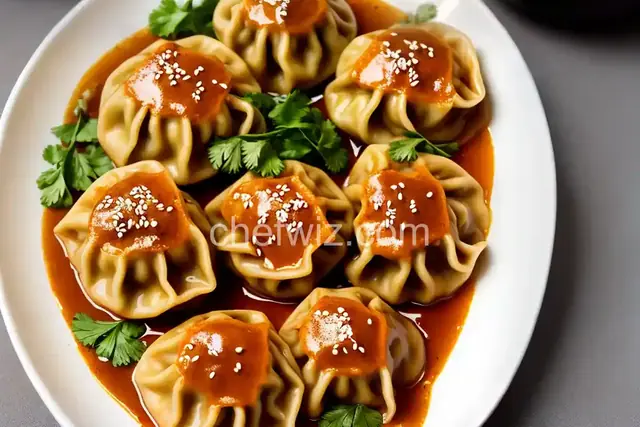
Who doesn't love a good dumpling? These little pockets of deliciousness are a staple in Chinese cuisine and have gained popularity all over the world.
In a large bowl, combine beef, cabbage, carrot, and onion.
Add egg, soy sauce, oil, sugar, and salt to the bowl and mix everything together.
Take a wonton wrapper and place approximately 1 heaping teaspoon of the filling in the center.
Moisten the edges of the wonton wrapper with a few drops of water.
Fold the dumpling in half and pinch the edges together firmly to seal it.
To create a ripple pattern along the sealed edge, gently pinch and push together small segments of the dumpling.
Repeat steps 3 to 6 to make the remaining dumplings.
Bring a large pot of water to a boil.
Add the dumplings to the boiling water and cook for about 5 minutes or until they float to the surface.
Drain the cooked dumplings.
Who doesn't love a good dumpling? These little pockets of deliciousness are a staple in Chinese cuisine and have gained popularity all over the world. Whether steamed, fried, or boiled, dumplings are a crowd-pleaser that can be enjoyed as a snack, appetizer, or even a main course. In this article, we will explore the world of beefy Chinese dumplings and delve into their history, cooking methods, and flavors.
Chinese dumplings, also known as jiaozi, have a rich history that dates back centuries. Legend has it that Zhang Zhongjing, a famous physician in ancient China, created the first dumplings as a way to treat frostbitten ears during the winter. The dumplings were filled with warm, nourishing ingredients and sealed in a thin dough wrapper.
Over time, dumplings became more than just a medicinal food. They evolved into a festive dish enjoyed during Chinese New Year celebrations, symbolizing wealth and good fortune. Today, dumplings are a beloved comfort food that brings families and friends together.
Chinese dumplings can be cooked using various methods, each resulting in a unique texture and flavor. Steaming is a popular cooking technique that preserves the delicate flavors of the filling. The dumplings are placed in a steamer basket and cooked over boiling water, allowing the steam to cook them to perfection.
Frying dumplings, on the other hand, creates a crispy and golden exterior with a tender filling. The dumplings are pan-fried until the bottom becomes crispy, and then a bit of water is added, which steams the dumplings and ensures the filling is cooked through. This method is known as "potstickers" and is a favorite among many dumpling enthusiasts.
Boiling dumplings is a simple yet satisfying way to cook them. They are dropped into a pot of boiling water and cooked until they float to the surface, indicating they are ready to be enjoyed. Boiled dumplings have a soft and chewy texture, making them a delightful comfort food.
One of the best things about Chinese dumplings is the variety of flavors and fillings available. From beef to pork, chicken to vegetables, there is a dumpling filling to suit every palate. The fillings are often seasoned with soy sauce, ginger, garlic, and other aromatic spices to enhance the flavors.
Beefy Chinese dumplings are a popular choice for meat lovers. The juicy and flavorful beef filling is often combined with onions, garlic, and a hint of sesame oil for a deliciously savory experience. These dumplings pair perfectly with a dipping sauce made from soy sauce, vinegar, and a sprinkle of chili flakes for some added heat.
Beefy Chinese dumplings are a culinary delight that brings together tradition and flavor. Whether steamed, fried, or boiled, these dumplings are sure to satisfy your cravings. So next time you're looking for a tasty and comforting meal, give these beefy dumplings a try and experience the joy of Chinese cuisine.
A1: The dough for Chinese dumplings is made by combining flour and water. It is then kneaded until smooth and elastic before being rolled out into thin wrappers.
A2: Absolutely! Chinese dumplings can be filled with various types of meat, such as pork, chicken, or even shrimp. Feel free to experiment with different fillings.
A3: Yes, you can freeze dumplings for later use. Place the uncooked dumplings on a tray lined with parchment paper and freeze until firm. Once frozen, transfer them to a freezer bag for storage.
A4: The steaming time for dumplings depends on their size. Generally, small dumplings take around 8-10 minutes, while larger ones may require 12-15 minutes.
A5: Traditional dumpling wrappers are made with wheat flour, so they are not gluten-free. However, there are gluten-free alternatives available, such as wrappers made from rice flour or tapioca starch.
A6: Yes, you can make dumplings without a steamer. Simply line a heatproof plate with lettuce leaves or cabbage leaves, place the dumplings on top, and steam them in a covered wok or pot.
A7: A classic dipping sauce for beefy dumplings is a combination of soy sauce, vinegar, and a touch of sesame oil. You can also add minced garlic, ginger, or chili flakes for extra flavor.
A8: Dumplings can be a healthy food choice if made with lean meats and plenty of vegetables. Steaming or boiling the dumplings also reduces the amount of oil used in cooking.
AprilCook, recipe developer and the heart of Chefwiz. More about April