Beef Wellington
Rate this recipeBe the first to rate
 By AprilPublished
 Beef Wellington is more than just a dish; it's a culinary masterpiece that has captured the hearts and palates of food enthusiasts around the world.
 By AprilPublished
 Beef Wellington is more than just a dish; it's a culinary masterpiece that has captured the hearts and palates of food enthusiasts around the world.
Preheat the oven to 425 degrees F (220 degrees C).
Place the beef tenderloin in a small baking dish and spread 2 tablespoons of softened butter over it.
Bake in the preheated oven for 10 to 15 minutes, until browned. Remove the beef from the pan and set aside, keeping the pan juices.
Increase the oven temperature to 450 degrees F (230 degrees C).
In a skillet over medium heat, melt 2 tablespoons of butter. Saute the onion and mushrooms in the butter for 5 minutes. Remove from heat and let it cool.
In a bowl, mix together the paté and the remaining 2 tablespoons of softened butter. Season with salt and pepper. Spread this mixture over the beef and top with the sauteed onion and mushroom mixture.
Roll out the puff pastry dough to about 1/4-inch thickness and place the beef in the center.
Fold up and seal all the edges, making sure the seams are not too thick. Place the beef in a 9x13-inch baking dish, cut a few slits in the top of the dough, and brush with egg yolk.
Bake in the preheated oven for 10 minutes. Then, reduce the heat to 425 degrees F (220 degrees C) and continue baking until the pastry is a rich, golden brown, for another 10 to 15 minutes
Beef Wellington is more than just a dish; it's a culinary masterpiece that has captured the hearts and palates of food enthusiasts around the world. This classic dish, with its succulent beef tenderloin encased in a flaky pastry crust, is a feast for the senses. But what makes Beef Wellington so special? Let's dive into the delectable world of this timeless favorite.
Like any great dish, Beef Wellington has a rich history that adds to its allure. Legend has it that it was named after the Duke of Wellington, a renowned military leader of the 19th century. The Duke was known for his love of fine food, and this dish was created to honor his victories on the battlefield.
Originally, Beef Wellington was made with a simple combination of beef, mushrooms, and puff pastry. Over time, chefs have added their own twists and variations, elevating it to new heights of culinary excellence.
What sets Beef Wellington apart is the perfect marriage of flavors and textures. The tender beef, seared to perfection and cooked to a juicy medium-rare, contrasts beautifully with the earthy richness of the mushrooms. The flaky, buttery pastry adds a delightful crispness that completes the dish.
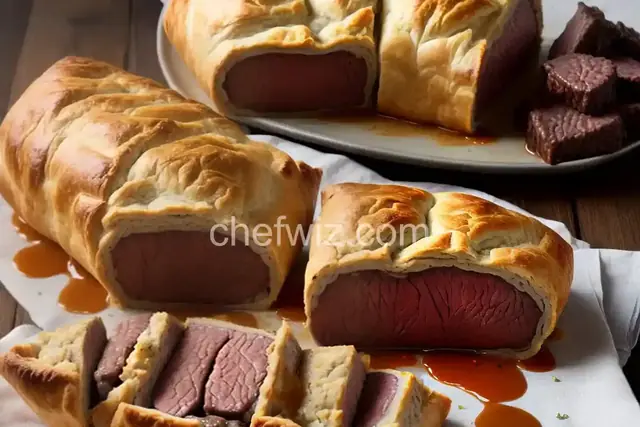
Imagine cutting into the golden pastry crust, revealing the succulent pink center of the beef. The aroma fills the air, teasing your taste buds and making your mouth water in anticipation. Each bite is a symphony of flavors, a harmonious blend of umami, sweetness, and buttery goodness.
Preparing Beef Wellington is an art form in itself. It requires precision and attention to detail. The beef must be seared to seal in the juices, then carefully wrapped in a layer of savory mushrooms. The pastry is rolled out to just the right thickness, ensuring a delicate balance between lightness and sturdiness.
As the Wellington bakes in the oven, the pastry turns golden and flaky, while the beef cooks to perfection. It's a labor of love that requires patience and skill, but the end result is well worth the effort.
Beef Wellington is not just a dish; it's a showstopper that takes center stage at special occasions. Whether it's a holiday feast or a celebratory dinner, serving Beef Wellington is sure to impress your guests and create lasting memories.
Just like a masterful performance, the unveiling of a perfectly cooked Beef Wellington is met with awe and admiration. The anticipation builds as the knife slices through the layers, revealing the masterpiece within. It's a moment that captures the essence of fine dining and the joy of sharing a meal with loved ones.
Beef Wellington is a culinary masterpiece that continues to captivate food enthusiasts with its exquisite flavors and elegant presentation. It's a dish that brings people together, creating unforgettable moments and leaving a lasting impression. So, why not embark on your own culinary adventure and savor the magic of Beef Wellington?
The best cut of beef for Beef Wellington is the tenderloin. Its tenderness and mild flavor make it the perfect choice for this dish.
While it's best to serve Beef Wellington immediately after cooking, you can prepare it in advance and refrigerate it until ready to bake. This allows the flavors to meld together, resulting in an even more delicious final product.
Traditionally, Beef Wellington is made with duxelles, a mixture of finely chopped mushrooms, shallots, and herbs. However, you can experiment with different types of mushrooms to add your own twist to the dish.
Achieving the perfect level of doneness for the beef tenderloin can be challenging. To ensure it's cooked to your desired level, use a meat thermometer to check the internal temperature. For medium-rare, aim for around 135°F.
Beef Wellington pairs well with a variety of side dishes. Some popular options include roasted potatoes, steamed vegetables, or a fresh salad.
Absolutely! There are numerous vegetarian variations of Beef Wellington that use ingredients like portobello mushrooms or roasted vegetables as the centerpiece. These alternatives offer a delicious option for vegetarians and vegans.
To prevent the pastry from becoming soggy, make sure to thoroughly sear the beef and drain any excess moisture from the mushrooms before wrapping them in the pastry. Additionally, you can brush the pastry with egg wash to create a protective barrier.
While it's possible to freeze Beef Wellington, it's best enjoyed fresh. The reheating process may affect the texture and quality of the pastry and beef. However, if you do choose to freeze it, make sure to wrap it tightly in plastic wrap and aluminum foil to prevent freezer burn.
AprilCook, recipe developer and the heart of Chefwiz. More about April