Beef Tenderloin
Rate this recipeBe the first to rate
 By AprilPublished
 Are you looking to impress your guests with a mouthwatering, tender, and flavorful dish?
 By AprilPublished
 Are you looking to impress your guests with a mouthwatering, tender, and flavorful dish?
In a large bowl, combine oil, vinegar, mustard, thyme, sprigs of rosemary, bay leaf, crushed garlic, and honey.
Add the meat to the bowl and cover it with plastic wrap.
Place the bowl in the refrigerator and let it marinate for 1 hour or up to one day.
Optional: Allow the tenderloin to come to room temperature before baking.
Preheat the oven to 450°F (232°C).
Line a rimmed baking sheet with aluminum foil and place a wire rack on top.
Remove the tenderloin from the marinade and pat it dry with paper towels.
Season the meat all over with salt, pepper, minced garlic, and chopped rosemary.
Place the seasoned tenderloin on the wire rack.
Roast the tenderloin in the oven for about 20 minutes or until it reaches your desired level of doneness.
Allow the meat to rest for 5 to 10 minutes before slicing.
In the meantime, prepare the sauce by whisking together yogurt, sour cream, horseradish, lemon juice, and salt in a medium bowl.
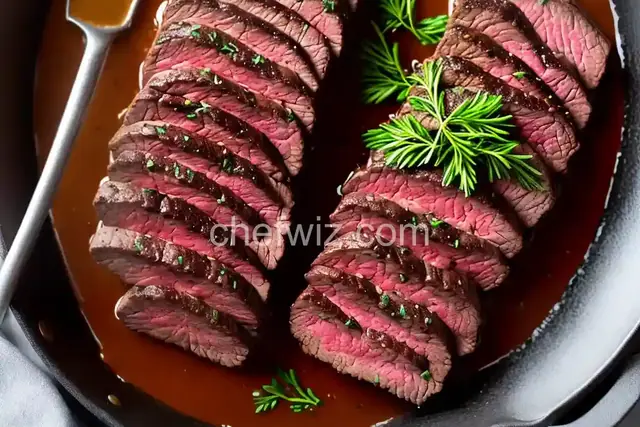
Slice the tenderloin and serve it with the sauce on the side.
Are you looking to impress your guests with a mouthwatering, tender, and flavorful dish? Look no further than beef tenderloin. This cut of meat is known for its tenderness and is often considered the most tender part of the cow. But how can you cook it to perfection? In this article, we will explore the secrets to cooking the perfect beef tenderloin.
Before we dive into the cooking process, let's take a moment to understand what beef tenderloin is. The tenderloin is a long, cylindrical muscle that runs along the spine of the cow. It is a lean cut of meat, which makes it prone to drying out if not cooked correctly. However, with the right techniques, you can unlock its full potential and create a culinary masterpiece.
When it comes to beef tenderloin, quality matters. Look for a cut that is well-marbled with fat, as this will help keep the meat tender and juicy during cooking. You can ask your local butcher for recommendations or look for USDA Prime or Choice grades for the best results.
Preparing beef tenderloin is a crucial step in the cooking process. Start by trimming off any excess fat and silver skin. This will ensure that the meat cooks evenly and allows the seasonings to penetrate the meat. Season the tenderloin generously with salt, pepper, and any additional herbs or spices of your choice.
Now that we have our beef tenderloin prepared, it's time to move on to the cooking techniques. There are several methods you can choose from, depending on your preference and available equipment.
Grilling beef tenderloin is a popular choice, as it imparts a smoky flavor and creates a beautiful crust on the outside. Preheat your grill to medium-high heat and sear the tenderloin on all sides. Then, move it to indirect heat and continue cooking until it reaches your desired level of doneness.
Roasting is another fantastic option for cooking beef tenderloin. Preheat your oven to a high temperature and place the seasoned tenderloin on a roasting rack. Cook until the internal temperature reaches your desired level of doneness. Remember to let the meat rest for a few minutes before slicing to allow the juices to redistribute.
If you're looking for precise and consistent results, sous vide is the way to go. Seal the seasoned beef tenderloin in a vacuum-sealed bag and cook it in a water bath at a controlled temperature for a few hours. Finish it off by searing it in a hot pan to develop a flavorful crust.
Now that your beef tenderloin is cooked to perfection, it's time to think about presentation and serving suggestions. You can slice it into thick medallions for an elegant plated dish or carve it into thin slices for a sandwich or wrap. Serve it with a side of roasted vegetables, mashed potatoes, or a fresh salad for a well-rounded meal.
Beef tenderloin is a versatile and delicious cut of meat that can elevate any meal. By understanding the cut, preparing it properly, and choosing the right cooking technique, you can create a memorable dining experience. So why wait? Get your hands on a beautiful piece of beef tenderloin and let your culinary skills shine!
The cooking time for beef tenderloin depends on the cooking method and the desired level of doneness. As a general guideline, aim for an internal temperature of 135°F for medium-rare, 145°F for medium, and 160°F for well-done.
Marinating beef tenderloin is not necessary due to its natural tenderness. However, you can still infuse it with flavor by using a dry rub or seasoning blend.
Using a meat thermometer is the most accurate way to determine the doneness of beef tenderloin. Insert the thermometer into the thickest part of the meat, away from any bones, and check the internal temperature.
Popular seasonings for beef tenderloin include garlic, rosemary, thyme, and black pepper. You can also experiment with different spice blends to add a unique flavor profile.
Yes, you can freeze cooked beef tenderloin. Allow it to cool completely, wrap it tightly in plastic wrap or aluminum foil, and place it in an airtight container or freezer bag. It will maintain its quality for up to three months in the freezer.
Yes, it is essential to let beef tenderloin rest for about 10-15 minutes before slicing. This allows the juices to redistribute and results in a more tender and flavorful meat.
While beef tenderloin is not typically used for stir-fry due to its tenderness, you can still slice it thinly and quickly stir-fry it for a delicious and luxurious twist on a classic dish.
Leftover beef tenderloin is a versatile ingredient. You can use it in sandwiches, wraps, salads, or even in pasta dishes. The tender and flavorful meat will add a touch of luxury to any meal.
AprilCook, recipe developer and the heart of Chefwiz. More about April