Beef Tamales
Rate this recipeBe the first to rate
 By AprilPublished
 When it comes to Mexican cuisine, few dishes are as beloved as beef tamales.
 By AprilPublished
 When it comes to Mexican cuisine, few dishes are as beloved as beef tamales.
In a large pot, place the beef and garlic. Add enough cold water to cover the beef. Bring to a boil over high heat, then reduce the heat, cover the pot, and let it simmer for about 3 1/2 hours or until the beef is tender and can be easily shredded. Remove the beef from the pot, keeping 5 cups of the cooking liquid and discarding the garlic. Let the meat cool slightly, then use forks to shred it finely.
In a large container, place the corn husks and cover them with warm water. Weigh them down with an inverted plate and a heavy can. Let them soak for about 3 hours until they become soft and pliable.
Toast the ancho chiles in a cast iron skillet, then allow them to cool. Remove the stems and seeds, and crumble and grind the chiles using a clean coffee grinder or mortar and pestle.
Heat oil in a large skillet, then stir in flour and let it brown slightly. Pour in 1 cup of beef broth and stir until smooth. Add the ground chiles, garlic, oregano, cumin seeds, ground cumin, red pepper flakes, vinegar, and salt. Stir in the shredded beef, cover the skillet, and let it simmer for 45 minutes.
In a large mixing bowl, place lard and salt. Use an electric mixer on high speed to beat until fluffy. Add masa
When it comes to Mexican cuisine, few dishes are as beloved as beef tamales. These savory delights are a staple in Mexican households and are enjoyed by people all over the world. But what exactly are tamales, and what makes beef tamales so special? In this article, we will explore the history, flavors, and cultural significance of beef tamales. So grab a seat and let's dive in!
Tamales have a rich history that dates back centuries. They are believed to have originated in Mesoamerica, the region that encompasses modern-day Mexico and parts of Central America. The Aztecs and Mayans were among the first to prepare tamales, and they quickly became a popular food choice due to their versatility and portability.
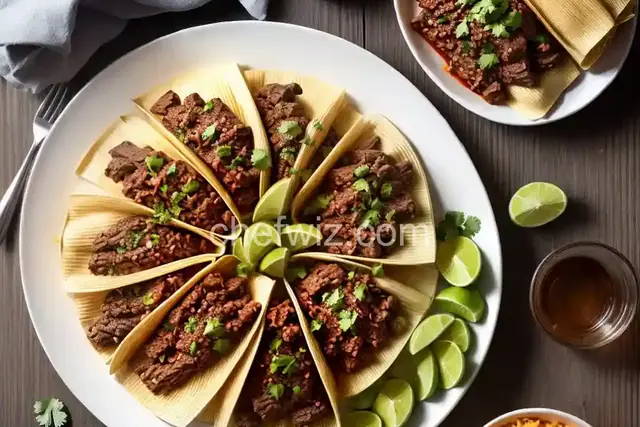
Traditionally, tamales are made by spreading a dough-like masa mixture onto a corn husk, filling it with various ingredients, and then steaming or baking it until cooked. The corn husk acts as a natural wrapper, imparting a unique flavor and aroma to the tamale.
While tamales can be filled with a variety of ingredients, beef tamales are particularly crave-worthy. The combination of tender beef, flavorful spices, and masa creates a harmonious blend of flavors that is hard to resist. The slow-cooked beef adds a richness and depth to the tamale, making it a truly satisfying meal.
One of the reasons beef tamales are so popular is their ability to please a wide range of palates. The flavors are bold and robust, yet not overpowering. Whether you enjoy spicy food or prefer milder flavors, beef tamales can be adjusted to suit your taste preferences.
Tamales hold a special place in Mexican culture, especially during holidays and celebrations. Making tamales is often a family affair, with multiple generations coming together to prepare and enjoy this traditional dish. The process of making tamales is seen as a way to connect with one's heritage and pass down culinary traditions.
Furthermore, tamales are often associated with festivities such as Christmas, birthdays, and weddings. They are a symbol of love, unity, and joy. In many Mexican households, it is not uncommon to find tamales being served alongside other traditional dishes during special occasions.
Beef tamales are a true culinary delight, with their rich history, bold flavors, and cultural significance. Whether you're enjoying them during a festive celebration or simply as a comforting meal at home, beef tamales never fail to satisfy. So next time you're craving something deliciously Mexican, give beef tamales a try. Your taste buds will thank you!
The level of spiciness in beef tamales can vary depending on the recipe. Some people prefer to add extra spices or chili peppers to give their tamales a kick, while others prefer a milder flavor. It's all about personal preference!
Absolutely! Making beef tamales at home can be a fun and rewarding experience. You can find numerous recipes online that provide step-by-step instructions. Gather your ingredients, follow the recipe, and enjoy the delicious results.
Yes, you can freeze beef tamales for later enjoyment. After cooking, allow them to cool completely, then wrap them tightly in plastic wrap or aluminum foil before placing them in the freezer. To reheat, simply steam or microwave them until heated through.
Traditional beef tamales are made with masa, which is a type of corn-based dough. As long as the masa and other ingredients used are gluten-free, beef tamales can be enjoyed by individuals with gluten sensitivities or celiac disease.
Absolutely! While beef is a popular choice, you can experiment with different meats such as chicken, pork, or even vegetarian fillings. The possibilities are endless, and it's a great way to put your own spin on this classic dish.
Tamales can be a nutritious choice when prepared with lean meats, fresh vegetables, and minimal added fats. However, it's important to be mindful of portion sizes and the ingredients used in the filling and masa. Enjoying tamales as part of a balanced diet is key.
Absolutely! Many people enjoy serving beef tamales with a flavorful sauce such as salsa, mole, or a tangy tomatillo sauce. The sauce adds an extra layer of flavor and complements the richness of the beef filling.
Leftover beef tamales can be just as delicious as when freshly made. Simply reheat them in the microwave or steamer until warm, and they are ready to be enjoyed again. They make for a convenient and tasty meal option.
AprilCook, recipe developer and the heart of Chefwiz. More about April