Bats and Cobwebs
Rate this recipeBe the first to rate
 By AprilPublished
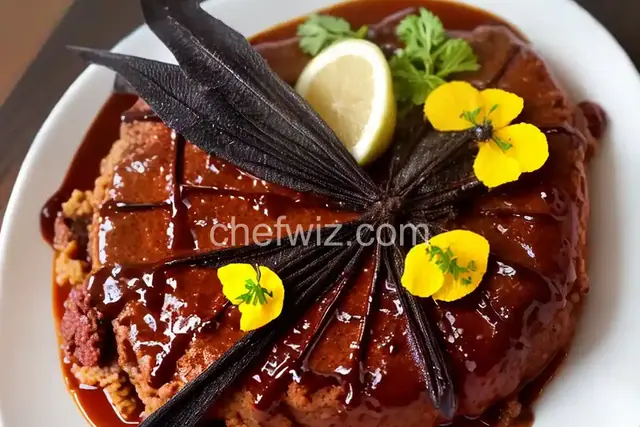
 When you think of bats, what comes to mind? Dark caves, spooky nights, and maybe a touch of fear?
 By AprilPublished
 When you think of bats, what comes to mind? Dark caves, spooky nights, and maybe a touch of fear?
Preheat the oven to 400 degrees F (200 degrees C).
In a large pot, bring lightly salted water to a rolling boil over high heat.
Stir in the bow tie pasta and return to a boil.
Boil the pasta, stirring occasionally, for about 12 minutes or until cooked through but still firm to the bite.
Drain the pasta well.
In a large skillet, cook and stir the ground beef and onion until the beef is no longer pink, approximately 5 minutes.
Drain the fat from the skillet.
Stir in the pasta sauce and bring it to a boil.
Reduce the heat to simmer.
Stir the cooked pasta and half of the mozzarella cheese into the sauce and toss to combine.
Transfer the mixture to a 2-quart baking dish.
Top with the remaining mozzarella and Parmesan cheese.
Bake in the preheated oven for 15 to 20 minutes or until lightly browned and bubbly.
When you think of bats, what comes to mind? Dark caves, spooky nights, and maybe a touch of fear? Bats have long been associated with all things eerie and mysterious, thanks to their nocturnal habits and unique appearance. And what about cobwebs? They too can send shivers down your spine, conjuring up images of abandoned houses and neglected corners. But there's more to bats and cobwebs than meets the eye. Let's explore these fascinating creatures and their intricate homes.
Bats are not just creatures of the night; they are marvels of nature. With their leathery wings and radar-like echolocation, they navigate through the darkness with precision and grace. Did you know that bats are the only mammals capable of sustained flight? It's as if they were born to defy gravity. And while some might find their appearance unsettling, bats play a crucial role in our ecosystem.
Imagine a world without bats. Insects would multiply uncontrollably, wreaking havoc on crops and spreading disease. Bats act as nature's pest control, feasting on insects like mosquitoes and moths. They are silent heroes, working tirelessly to maintain the delicate balance of our ecosystem.
Now, let's turn our attention to cobwebs. At first glance, they may seem like nothing more than a nuisance, a sign of neglect. But if we take a closer look, we'll discover the intricate beauty of these delicate structures. Cobwebs are spun by spiders, who meticulously craft them to capture their prey. They are like nature's own traps, designed to ensnare unsuspecting insects.
Have you ever wondered how spiders create these intricate webs? It's a mesmerizing process that requires both skill and patience. Spiders produce silk, a strong and flexible material, which they use to weave their webs. The silk is not only used for capturing prey but also for constructing their homes. It's a testament to the ingenuity of these eight-legged architects.
Now, you might be wondering, what do bats have to do with cobwebs? Well, bats and cobwebs share a unique relationship. Bats are known to roost in dark, secluded places, such as caves or abandoned buildings. These are the very places where cobwebs thrive. The intricate structure of cobwebs provides bats with a safe and cozy home, offering protection from predators and the elements.
While bats don't directly interact with cobwebs, their presence creates the perfect environment for spiders to spin their intricate webs. It's a delicate balance of nature, where each creature finds its niche and contributes to the overall ecosystem.
No, contrary to popular belief, bats are not blind. They have excellent vision, especially in low-light conditions. However, they primarily rely on echolocation to navigate and find prey.
Yes, cobwebs are exclusively crafted by spiders. They use their silk to create these intricate structures for various purposes, including capturing prey and building their homes.
Bats are highly agile flyers and rarely get caught in cobwebs. They have a remarkable ability to navigate through tight spaces and avoid obstacles, including cobwebs.
Cobwebs themselves are not dangerous to humans. However, some spiders that create cobwebs may bite if they feel threatened. It's always best to exercise caution around spiders and their webs.
There are over 1,400 species of bats worldwide, ranging in size from the tiny bumblebee bat to the majestic flying fox.
The lifespan of a bat varies depending on the species. Some bats can live up to 30 years, while others have a shorter lifespan of around 5-10 years.
Yes, bats are incredibly beneficial to humans. They help control insect populations, pollinate plants, and even disperse seeds. Without bats, our ecosystem would suffer.
While bats cannot see in complete darkness, they have evolved a remarkable ability called echolocation. By emitting high-frequency sounds and listening to the echoes, bats can effectively "see" in the dark.
In conclusion, bats and cobwebs are more than just spooky symbols. Bats play a vital role in our ecosystem, and cobwebs showcase the intricate beauty of nature's trap-makers. So, the next time you come across a bat or a cobweb, take a moment to appreciate the wonders of the natural world.
AprilCook, recipe developer and the heart of Chefwiz. More about April