Basque-Style Cheesecake
Rate this recipeBe the first to rate
 By AprilPublished
 When it comes to cheesecake, most of us think of the traditional New York-style version with its rich and creamy filling on a graham cracker crust.
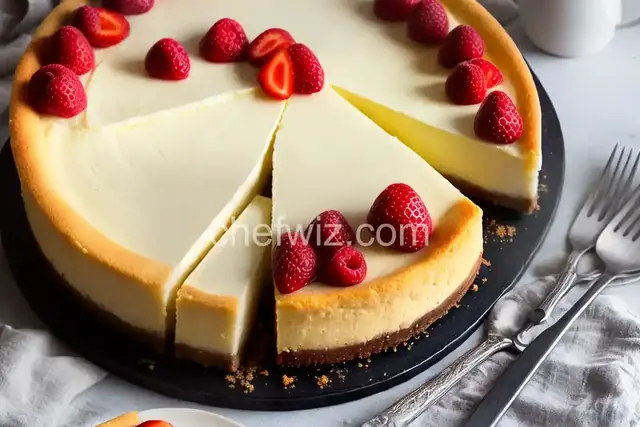 By AprilPublished
 When it comes to cheesecake, most of us think of the traditional New York-style version with its rich and creamy filling on a graham cracker crust.
Preheat the oven to 400 degrees F and place the oven rack in the center position.
Take a 9-inch springform pan and line the bottom with a 16-inch piece of parchment paper. Place another 16-inch piece of parchment paper on top in a crosswise manner. Press the parchment paper into the bottom of the pan, creasing along the sides to fit snugly against the pan, with the parchment paper extending at least 2 inches above the sides. Place the pan on a baking sheet.
In the bowl of a stand mixer fitted with a paddle attachment, combine the cream cheese, sugar, and salt. Beat on medium speed for 2 minutes, scraping down the bowl halfway through to ensure there are no lumps of cream cheese. The mixture should become smooth and light.
With the mixer running, add the eggs one at a time, beating for 30 seconds after each addition. Scrape down the bowl.
Reduce the mixer speed to low and add the cream and vanilla. Increase the speed to medium and beat for 30 seconds.
Remove the mixer bowl and sift the flour over the batter. Use a rubber spatula to fold the flour into the batter.
Pour the batter into the prepared pan.
Bake for approximately 2 hours, or until the cheesecake is deep golden brown on top but the center is still slightly jiggly.
Allow the cheesecake to cool completely
When it comes to cheesecake, most of us think of the traditional New York-style version with its rich and creamy filling on a graham cracker crust. But have you ever tried a Basque-style cheesecake? This delightful twist on the classic dessert originated in the Basque region of Spain and has gained popularity worldwide for its unique texture and flavor.
Unlike its New York-style counterpart, Basque-style cheesecake is intentionally baked until it reaches a deep golden brown color. This caramelization process creates a crisp and almost burnt exterior, while the interior remains delightfully creamy. The contrast between the crunchy crust and the velvety smooth filling is what sets this cheesecake apart and makes it a true indulgence for your taste buds.
One of the things that make Basque-style cheesecake so appealing is its simplicity. With just a few basic ingredients like cream cheese, sugar, eggs, and vanilla extract, you can create a dessert that is both elegant and comforting. The absence of a crust also simplifies the preparation process, allowing you to focus on achieving that perfect balance of flavors and textures.
While the traditional New York-style cheesecake often relies on toppings and sauces to enhance its flavor, Basque-style cheesecake shines on its own. The caramelized exterior adds a subtle hint of bitterness that beautifully complements the rich and creamy filling. Each bite is like a burst of flavor, with the sweetness of the cheesecake balanced by the slightly burnt notes.
Making Basque-style cheesecake at home is surprisingly simple. Start by preheating your oven to a high temperature, around 450°F (230°C), to achieve that golden brown crust. Then, mix the cream cheese, sugar, eggs, and vanilla extract until smooth. Pour the batter into a lined cake pan and bake until the top is deeply browned and the center is set but still slightly jiggly.
While the classic Basque-style cheesecake is a delight on its own, you can also experiment with different flavors and additions to make it your own. Add a splash of citrus zest for a refreshing twist or incorporate crushed cookies or chocolate chips for added texture and complexity. The possibilities are endless, and you can let your creativity soar to create a cheesecake that truly reflects your taste and preferences.
While a water bath is commonly used when baking traditional cheesecakes to prevent cracking, it is not necessary for Basque-style cheesecake. The high temperature and caramelization process actually contribute to the unique texture and appearance of this dessert.
Absolutely! Basque-style cheesecake freezes well. Once cooled, wrap it tightly in plastic wrap and then in aluminum foil before placing it in the freezer. Thaw it in the refrigerator overnight before enjoying.
While cream cheese is the traditional choice for Basque-style cheesecake, you can experiment with other soft and creamy cheeses like mascarpone or ricotta for a unique twist on the recipe. Just keep in mind that the texture and flavor may vary slightly.
When stored in an airtight container in the refrigerator, Basque-style cheesecake can stay fresh for up to five days. However, it is best enjoyed within the first couple of days when the flavors are at their peak.
While Basque-style cheesecake is delicious on its own, you can certainly add fruits, sauces, or whipped cream as toppings if desired. Just be mindful that the simplicity of the cheesecake is what makes it truly special.
Absolutely! You can use individual ramekins or muffin tins to create mini Basque-style cheesecakes. Adjust the baking time accordingly, as they will cook faster than a regular-sized cheesecake.
While white granulated sugar is the most commonly used sweetener, you can experiment with different types of sugar like brown sugar or even honey for a subtle variation in flavor.
Yes, you can! There are numerous recipes available for vegan Basque-style cheesecake that use plant-based ingredients like cashews or tofu as a substitute for the cream cheese. These versions still aim to achieve the caramelized exterior and creamy filling that make this dessert so unique.
In conclusion, Basque-style cheesecake offers a delightful twist on the classic dessert. Its simplicity, unique texture, and burst of flavor make it a favorite among dessert lovers around the world. Whether you stick to the traditional recipe or get creative with your own variations, a slice of Basque-style cheesecake is sure to satisfy your sweet tooth and leave you craving for more.
AprilCook, recipe developer and the heart of Chefwiz. More about April