Basil Pesto
Rate this recipeBe the first to rate
 By AprilPublished
Have you ever wondered how to make the perfect basil pesto? Look no further!
 By AprilPublished
Have you ever wondered how to make the perfect basil pesto? Look no further!
Place the pine nuts, lemon juice, garlic, salt, and pepper in a food processor and pulse until they are finely chopped.
Add the basil to the food processor and pulse until it is mixed in.
While the food processor is running, slowly pour in the olive oil and continue pulsing until everything is well combined.
If desired, add Parmesan cheese to the mixture and pulse briefly to incorporate.
For a smoother consistency, add additional olive oil to the pesto.
Have you ever wondered how to make the perfect basil pesto? Look no further! In this article, we will delve into the world of basil pesto, exploring its origins, its versatility, and how you can make your own delicious homemade batch. So, grab your apron and let's get started!
Basil pesto is a traditional Italian sauce made from fresh basil leaves, garlic, pine nuts, Parmesan cheese, and olive oil. It is a vibrant and fragrant sauce that originated in the Liguria region of Italy. This versatile sauce can be used as a spread, a dip, or tossed with pasta to create a flavorful and satisfying dish.
Let's take a trip back in time to discover the origins of basil pesto. The word "pesto" comes from the Italian word "pestare," which means to crush or pound. Traditionally, pesto was made using a mortar and pestle, where the ingredients were crushed together to create a harmonious blend of flavors.
Basil pesto is a versatile sauce that can elevate any dish. Its bright and fresh flavors make it a perfect accompaniment to pasta, whether it's tossed through spaghetti or used as a sauce for lasagna. Additionally, it can be spread on bread or used as a dip for vegetables. The possibilities are endless!
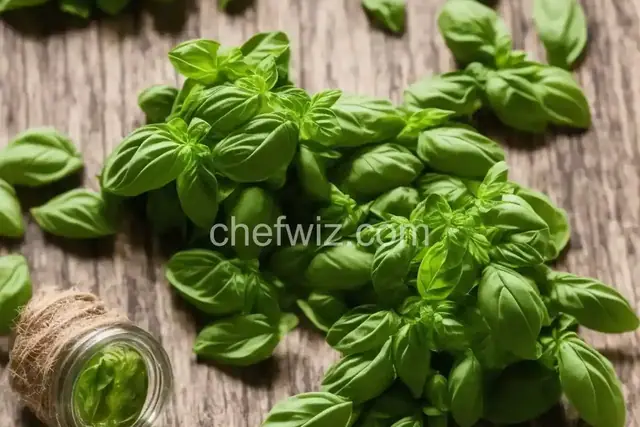
Now, let's dive into the process of making your own basil pesto. First, gather your ingredients: fresh basil leaves, garlic cloves, pine nuts, Parmesan cheese, olive oil, and a pinch of salt. The quality of the ingredients is crucial in achieving a delicious pesto, so make sure to use the freshest basil you can find.
Next, place the basil leaves, garlic, and pine nuts in a food processor or blender. Pulse until finely chopped. Then, add the Parmesan cheese and pulse again until well combined. Gradually pour in the olive oil while the machine is running until the mixture becomes a smooth and creamy consistency. Finally, season with a pinch of salt and give it a final blend.
Once you've made your basil pesto, it's important to store it properly to maintain its freshness. Transfer the pesto into an airtight container and refrigerate. It can be stored in the refrigerator for up to a week or frozen for future use. When using frozen pesto, simply thaw it in the refrigerator overnight before using.
When it comes to using basil pesto, the possibilities are endless. Toss it with your favorite pasta, spread it on a sandwich, drizzle it over roasted vegetables, or mix it into mashed potatoes. Get creative and let your taste buds guide you!
Basil pesto is a versatile and delicious sauce that can add a burst of flavor to any dish. Whether you're tossing it with pasta, using it as a dip, or spreading it on bread, basil pesto is sure to impress. Now that you know the secrets to making your own homemade batch, it's time to get creative in the kitchen. So, go ahead, unleash your inner chef, and enjoy the wonders of basil pesto!
A1: Absolutely! If you're not a fan of pine nuts or have an allergy, you can substitute them with walnuts, almonds, or even cashews for a unique twist on traditional basil pesto.
A2: While fresh basil is recommended for the best flavor, you can use dried basil if fresh is not available. Keep in mind that the flavor may differ slightly.
A3: Absolutely! Simply omit the Parmesan cheese or use a vegan alternative. The result will still be deliciously flavorful.
A4: Yes, you can freeze basil pesto for future use. Simply transfer it to an airtight container or ice cube trays and freeze. Thaw it in the refrigerator overnight before using.
A5: Absolutely! Basil pesto can be used as a marinade for chicken, fish, or even vegetables. Simply coat the protein or vegetables with the pesto and let it marinate for a few hours before cooking.
A6: Homemade basil pesto can last up to a week when stored properly in the refrigerator. Make sure to use a clean spoon each time to prevent contamination.
A7: Absolutely! Feel free to experiment with other herbs like parsley, cilantro, or mint to add a unique twist to your basil pesto.
A8: Yes, you can use basil pesto as a delicious alternative to traditional pizza sauce. Spread it on your pizza dough, top with your favorite ingredients, and bake to perfection.
AprilCook, recipe developer and the heart of Chefwiz. More about April